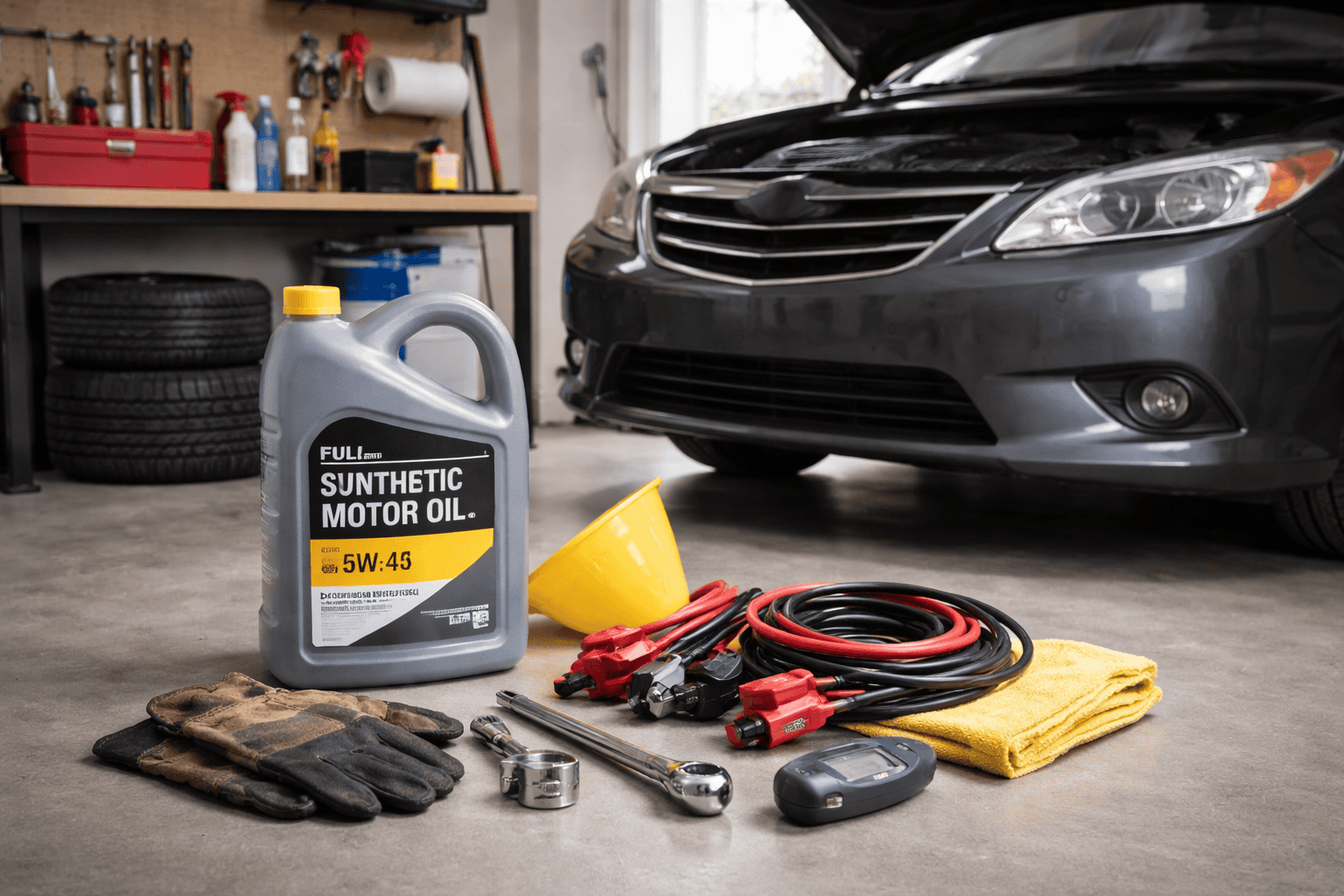
Routine vehicle maintenance and basic diagnostics play a major role in reliability, safety, and long-term ownership costs. While exact procedures vary by vehicle, many checks and service tasks follow similar principles across most modern cars and light trucks.
This page provides an organized overview of common maintenance, inspection, and troubleshooting topics. Each section introduces when a task is needed and what it involves, with links to detailed step-by-step guides where available.
Routine Maintenance Essentials
Regular maintenance helps prevent unexpected breakdowns and keeps critical systems operating as intended.
These procedures are typically performed at set intervals and are among the most common maintenance tasks for vehicle owners.
Battery & Electrical Basics
Battery and electrical issues are a leading cause of starting problems. Understanding basic checks can help identify whether an issue is minor or requires further diagnosis.
Because electrical systems vary by model and year, these guides focus on safe, general procedures and warning signs.
Brakes & Safety Components
Brake components are critical safety systems. Inspections should be performed regularly, and any uncertainty should be addressed by a qualified technician.
Note: Brake procedures and specifications vary by vehicle. Always follow manufacturer guidelines.
Cooling & Engine Health
Cooling system problems can lead to overheating and engine damage if not addressed early.
These checks help identify issues before they escalate into major repairs.
Engine & Emissions (Non-Invasive)
Many engine and emissions components can be inspected or serviced without internal engine work.
These topics focus on symptoms, inspection, and basic replacement rather than advanced diagnostics.
Drivetrain & Driving Basics
Drivetrain components affect how power is delivered to the wheels and how the vehicle feels during operation.
- How to Check Transmission Fluid (Automatic & Manual Overview)
- How to Identify Transmission Warning Signs
- How to Recognize CV Joint or Axle Noise
- How to Identify Wheel Bearing Symptoms
Early detection of drivetrain issues can prevent further mechanical damage.
Diagnostics & Troubleshooting
Basic diagnostics help drivers understand warning signs before deciding on repairs or professional service.
- How to Read OBD-II Trouble Codes
- How to Diagnose a Check Engine Light
- How to Identify Rough Idle Causes
- How to Diagnose Poor Fuel Economy
- How to Identify Common Starting Problems
These guides focus on interpretation and next steps, not advanced repair procedures.
Important Note
All procedures described in linked guides are intended as general references. Vehicle designs and specifications vary, and manufacturer service information should always be followed for exact instructions and torque values.