Overview
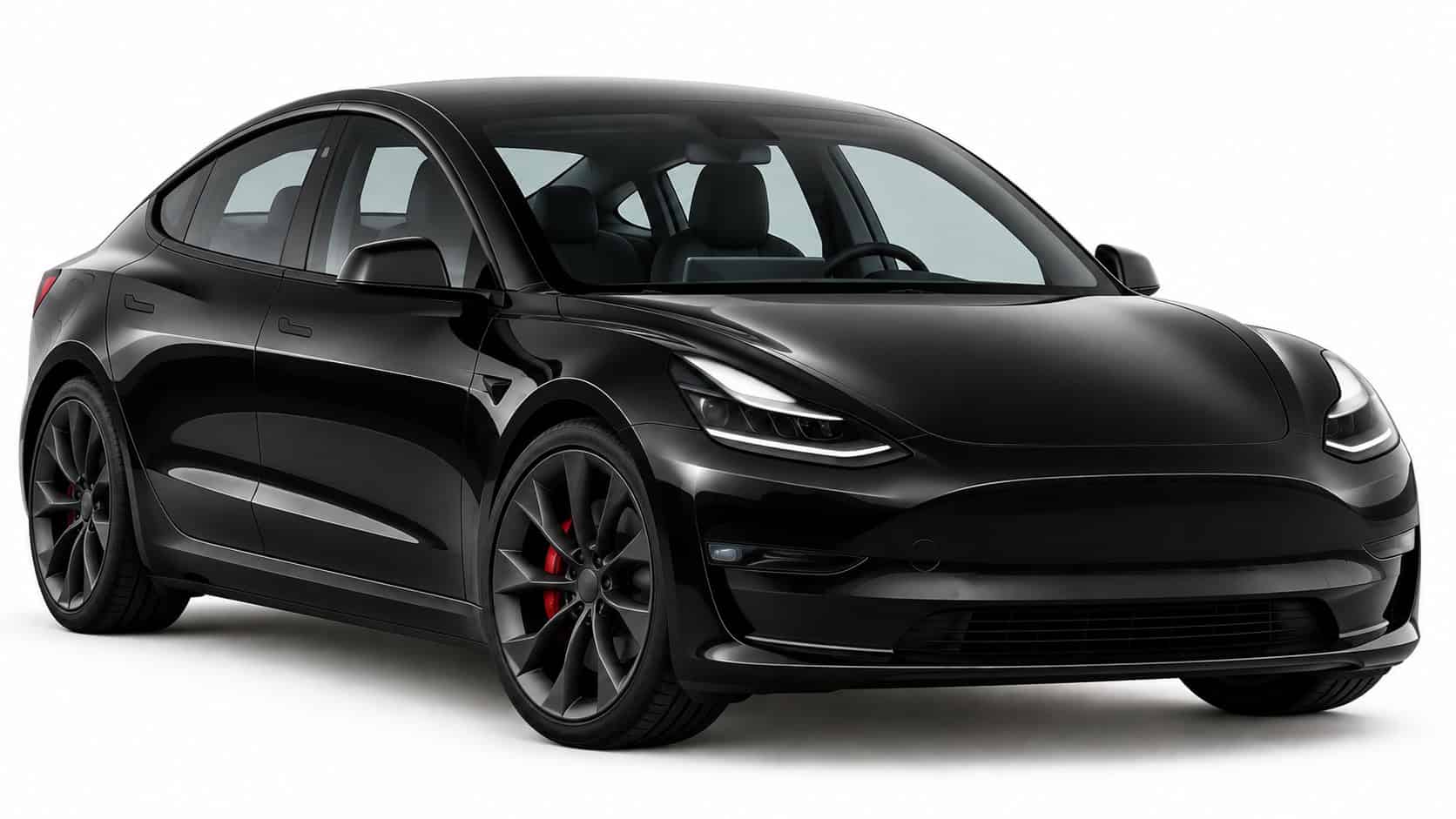
Tesla Model 3 Performance AWD takes the familiar compact electric sedan and pushes acceleration, braking, and handling much further than the other Model 3 trims. You get two electric motors, all-wheel drive, performance-focused suspension, larger brakes, 20-inch wheels, and acceleration from 0–60 mph in about 3.1 seconds. Canadian specifications translate that sprint to roughly 3.3 seconds from 0–100 km/h. Range remains useful despite the additional performance. U.S. figures sit around 300 to 315 miles, while Canadian range is approximately 480 to 505 km. Top speed reaches roughly 162 mph or 261 km/h. Those numbers put considerable distance between this trim and an ordinary commuter sedan, but speed is only part of the story. Larger wheels, performance tires, and the lowered suspension also change ride comfort, efficiency, tire costs, and vulnerability to rough roads. If you want the quickest Model 3 and intend to use its stronger handling, Performance AWD provides those upgrades without requiring you to move into a larger EV.
Trim Positioning
Want the quickest and most performance-focused Model 3? Performance AWD occupies the top position above Rear-Wheel Drive and Long Range AWD in both the U.S. and Canadian lineups covered here. Dual motors provide all-wheel drive, while performance software increases acceleration and manages traction under hard driving. You also get hardware that separates this trim from simply buying a Long Range AWD and pressing the accelerator harder. Larger brakes help control speed. A lowered sport suspension changes handling. Performance tires improve grip, while 20-inch wheels and exterior details provide a distinct appearance. Those upgrades come with compromises. Range drops to roughly 300 to 315 miles compared with approximately 330 to 358 miles for Long Range AWD. Tire replacement can also cost more. If maximum range matters most, Long Range AWD remains the distance-focused configuration. Performance AWD makes more sense when acceleration, braking, and sharper handling are worth giving up some efficiency and ride comfort.
- Lineup position: Highest-output Model 3 trim above RWD and Long Range AWD.
- Drivetrain: Dual-motor all-wheel drive with increased performance output.
- Main purpose: Strong acceleration, improved braking, and sharper handling.
- Performance hardware: Sport suspension, larger brakes, 20-inch wheels, and performance tires.
- U.S. range: Approximately 300 to 315 miles depending on year and wheels.
- Canadian range: Approximately 480 to 505 km depending on year and wheels.
- Best fit: Drivers willing to trade some efficiency and comfort for substantially stronger performance.
Powertrain
Two high-output permanent-magnet electric motors provide the foundation for Model 3 Performance AWD. A front motor assists with traction and torque distribution. A rear motor provides the primary propulsion. Both work together to create an all-wheel-drive system that can deliver power quickly without waiting for a conventional transmission to shift gears. A fixed single-speed gear handles power delivery instead. That simple arrangement is one reason acceleration feels immediate when you press the pedal. Regenerative braking also uses the electric motors to help slow the vehicle while recovering some energy. Performance-specific software changes how aggressively the car can deliver its available power and manage traction. Compared with Long Range AWD, this configuration is tuned much more heavily around acceleration and handling. If you are shopping used, test the drivetrain at several speeds. Power delivery should remain smooth and predictable. Listen for unusual noises or vibration. Check the touchscreen for warnings as well. Strong acceleration is normal. Strange sounds accompanying it are not part of the performance package.
Battery & Range
Driving 300 miles between charging opportunities is still possible on paper even though Performance AWD prioritizes speed. Approximate U.S. EPA range falls between 300 and 315 miles depending on model year and wheel configuration. Canadian NRCan figures are approximately 480 to 505 km. Tesla pairs this trim with its long-range lithium-ion battery rather than the LFP pack used by recent RWD versions. Charging options include 120V Level 1, 240V Level 2, and compatible DC fast charging through Tesla’s Supercharger network. Larger wheels and performance tires can have a noticeable effect on energy use, so wheel choice matters more than appearance alone. Weather also changes real-world range. Cold temperatures, high highway speeds, cabin heating, and repeated hard acceleration can reduce how far you travel between charges. Natural Resources Canada provides an official fuel consumption ratings search for Canadian shoppers. U.S. buyers can compare EV ratings through FuelEconomy.gov. When buying used, confirm the exact model year and wheel package before relying on an advertised range figure.
| Specification |
United States |
Canada |
| Approx. Rated Range |
300–315 miles |
480–505 km |
| Battery |
Long-range lithium-ion |
Long-range lithium-ion |
| Drivetrain |
Dual-motor AWD |
Dual-motor AWD |
| Level 1 Charging |
120V AC |
120V AC |
| Level 2 Charging |
240V AC |
240V AC |
| Fast Charging |
Compatible DC fast charging |
Compatible DC fast charging |
Performance
Numbers become the main attraction once you reach this Model 3 trim. Acceleration from 0–60 mph takes approximately 3.1 seconds. Canadian buyers can expect roughly 3.3 seconds from 0–100 km/h. Top speed reaches around 162 mph or 261 km/h. That makes Performance AWD about 1.1 seconds quicker to 60 mph than the approximately 4.2-second Long Range AWD. Compared with the 5.8-second RWD figure, the difference grows to roughly 2.7 seconds. Strong mid-range acceleration also means passing power remains readily available at highway speeds. Performance-specific software helps manage power delivery and traction, while the upgraded chassis hardware gives you more control when slowing or changing direction. Speed at this level deserves respect. Public roads are not racetracks, regardless of how persuasive your right foot becomes. If you plan to use the car for closed-course driving, inspect tires, brake condition, suspension, and wheel damage more frequently. Those components work considerably harder when you repeatedly use the performance that you paid for.
Interior Features
Performance details appear inside without turning the cabin into a completely different Model 3. You still interact primarily through a 15-inch central touchscreen. It controls navigation, climate settings, charging information, entertainment, vehicle settings, and many driver functions. Synthetic seating materials, heated front and rear seats, wireless phone charging, premium audio, phone-as-key access, key cards, and a panoramic glass roof provide the comfort and technology expected from this trim. Heated steering-wheel availability can vary by year. Sport pedals and metallic or aluminum-style accents add some visual distinction from lower configurations. Buyers should verify exact equipment on the individual model year because Tesla changes features more frequently than many traditional manufacturers. Spend part of your test drive doing something less exciting than launching the car. Check the touchscreen, cameras, climate system, audio, Bluetooth connection, wireless chargers, key cards, and phone pairing. A 3.1-second 0–60 mph time cannot make a broken wireless charger more useful.
Exterior Features
Performance hardware is much easier to spot from outside than it is on a standard Model 3. Typical equipment includes 20-inch performance wheels, high-performance tires, larger brakes, a lowered suspension, and a carbon-fiber rear spoiler. LED headlights and taillights, flush door handles, and power-folding mirrors remain part of the familiar Model 3 design. Larger wheels fill the wheel openings nicely, but there is a cost beyond appearance. Lower-profile performance tires provide less cushioning between an expensive wheel and a pothole. They can also cost more to replace and contribute to the trim’s lower efficiency. Bigger brakes provide the stopping capability needed for a car capable of reaching roughly 162 mph or 261 km/h. When examining a used Performance AWD, inspect every wheel closely for bends, cracks, or curb damage. Check tire tread and sidewalls. Look at brake condition and confirm the carbon-fiber spoiler is secure. You should also inspect panel alignment, exterior lighting, glass, mirrors, and door handles before concentrating on cosmetic upgrades.
Safety & Driver Assistance
Acceleration gets attention, but Model 3 Performance AWD still carries the driver-assistance equipment used throughout the lineup. Features listed for this trim include Automatic Emergency Braking, Forward Collision Warning, Lane Departure Warning, Blind Spot Monitoring, a rearview camera, side-collision avoidance, and adaptive cruise control. Parking assistance can vary with model year because Tesla has changed the hardware used for some functions. Enhanced Autopilot and Full Self-Driving Capability have also been available as software upgrades. You should verify the software installed on the exact vehicle rather than relying on an advertisement. Driver supervision remains necessary when using assisted-driving features. U.S. buyers can check crash ratings and recalls through the National Highway Traffic Safety Administration. Canadian owners can use Transport Canada for federal road-safety and recall information. Before buying, inspect the cameras and check for touchscreen warnings. You should also search the specific model year for outstanding recalls or required service work.
Dimensions & Capacity
Performance does not require sacrificing the basic passenger and cargo usefulness of the Model 3 body. Seating remains available for five people. Overall length is approximately 184.8 inches or 469 cm. Width measures roughly 72.8 inches or 185 cm, while height is about 56.8 inches or 144 cm. Wheelbase measures approximately 113 inches or 287 cm. Combined storage from the trunk and front compartment is around 23 cu ft or 652 liters. Those measurements are broadly shared with other Model 3 configurations, although the Performance suspension and wheels can affect ride height and ground clearance. That difference deserves attention if you regularly encounter steep driveways, deep snow, or poor pavement. A lowered car with 20-inch wheels asks you to pay more attention to road surfaces than a taller crossover would. Sit in both seating rows before buying. Check rear headroom and legroom. You should also test your regular luggage in the cargo area rather than assuming 652 liters guarantees the shape you need.
| Measurement |
U.S. |
Canada/Metric |
| Seating Capacity |
5 |
5 |
| Length |
184.8 in |
469 cm |
| Width |
72.8 in |
185 cm |
| Height |
56.8 in |
144 cm |
| Wheelbase |
113 in |
287 cm |
| Combined Cargo Volume |
Around 23 cu ft |
Around 652 L |
| Typical Performance Wheels |
20 in |
20 in |
| Top Speed |
Around 162 mph |
Around 261 km/h |
Charging & Efficiency
Extra speed carries an efficiency penalty, although Model 3 Performance AWD remains relatively efficient for the acceleration it provides. U.S. combined efficiency is around 113 MPGe depending on model year. Canadian consumption is approximately 2.0 Le/100 km under the supplied specifications. Compare that 113 MPGe figure with roughly 131 MPGe for Long Range AWD and you can see the effect of performance tuning, larger wheels, and grippier tires. Charging is available through Level 1 and Level 2 AC equipment, while compatible Superchargers provide DC fast charging for longer journeys. Fast-charging performance can exceed that of the RWD LFP configuration under suitable conditions. Actual charging speed changes with battery temperature, state of charge, weather, and charger capability. Your driving style matters just as much for energy use. Repeated hard acceleration consumes more electricity than calm highway cruising. If efficiency is your main goal, another Model 3 trim makes more sense. If you want 3.1-second acceleration while retaining 300-plus miles of rated range, that efficiency tradeoff becomes easier to understand.
Reliability Overview
Added performance changes what you should inspect even though Performance AWD shares much of its core design with Long Range AWD. Owner-reported concerns in the supplied data include touchscreen resets, panel alignment differences on some early vehicles, HVAC noise in cold climates, and low-voltage 12V battery replacements on older model years. Performance tires add another ownership concern because their wear can accelerate under hard driving. Twenty-inch wheels are also less forgiving of potholes than smaller wheels with taller tire sidewalls. Dual-motor reliability remains strong across the U.S. and Canadian model years covered by the supplied information. Even so, you should inspect the complete vehicle rather than assuming a healthy battery means everything else is healthy. Check tire tread and wear patterns. Examine the wheels carefully. Test heating, air conditioning, cameras, charging, and the touchscreen. Listen for suspension noises over rough pavement. Confirm service history and remaining battery or drive-unit warranty coverage. A previously hard-driven car deserves a particularly careful inspection before money changes hands.
Ownership Costs
Owning the quickest Model 3 can cost more even though routine EV maintenance remains limited. You still avoid engine oil changes, spark plugs, exhaust-system repairs, and conventional transmission service. Regenerative braking can reduce normal brake-pad wear as well. Performance-specific equipment changes the equation. Twenty-inch high-performance tires generally cost more than smaller economy-focused tires, and aggressive acceleration can shorten their useful life. Insurance premiums may also be higher in both Canada and the United States because insurers consider vehicle value, repair costs, performance, location, and driver history. Electricity remains another variable. Home charging at favorable residential rates can keep energy expenses low, while frequent public fast charging can increase them. Depreciation also responds to changing EV prices and market conditions. Before buying, request an insurance quote for the exact trim. Price a complete set of 20-inch tires too. Add your expected annual electricity use and a repair allowance. No oil changes are nice, but your tire shop will still remember that you bought the fast one.
Driving Experience
Three seconds can completely change how an electric sedan feels when you press the accelerator. Performance AWD delivers instant torque through both axles and reaches highway speed with very little delay. Steering response is sharper than the range-focused trims, while the lowered suspension helps control body movement through corners. Larger performance brakes provide additional stopping capability. High-performance tires improve grip when temperatures and road conditions suit them. Quiet electric propulsion remains part of the experience, so rapid acceleration arrives without the engine noise you would expect from a similarly quick gasoline car. Ride quality can be firmer because 20-inch wheels and low-profile tires provide less cushioning over broken pavement. Canadian drivers and owners in snowy U.S. states should also consider seasonal tires. Performance rubber designed for warm conditions is not a substitute for proper winter tires. If you test drive this trim, include rough roads and ordinary city streets. How the car behaves at 30 mph may matter to you far more often than what it can do at 162 mph.
Competitors (US & Canada)
Cross-shopping Performance AWD brings you into a group of genuinely quick electric vehicles rather than ordinary compact sedans. BMW i4 M50 combines dual-motor performance with a more traditional premium interior. Polestar 2 with the Performance Pack provides another low-slung alternative. Kia EV6 GT emphasizes strong acceleration in a more spacious crossover-style body. Ford Mustang Mach-E GT gives you AWD performance with a taller seating position. Hyundai Ioniq 5 N places even greater emphasis on performance driving and track-oriented features. Instead of comparing acceleration alone, look at rated range, charging capability, efficiency, cargo room, passenger space, tire prices, insurance, warranty coverage, and actual transaction price. You should also compare ride comfort because performance wheels and suspension can make a major difference on poor roads. Charging access deserves equal attention. A slightly slower EV may suit you better if its range, charging characteristics, interior, or ownership expenses fit your driving more closely.
Conclusion
Choosing Tesla Model 3 Performance AWD means accepting a few compromises in exchange for considerably stronger performance. You get approximately 3.1-second 0–60 mph acceleration in U.S. measurements and roughly 3.3 seconds from 0–100 km/h in Canada. Top speed reaches around 162 mph or 261 km/h. Rated range remains approximately 300 to 315 miles in the U.S. and 480 to 505 km in Canada. Passenger capacity stays at five, while combined cargo volume is around 23 cu ft or 652 liters. Performance hardware includes 20-inch wheels, larger brakes, a lowered suspension, performance tires, and a carbon-fiber rear spoiler. Those upgrades make this the most aggressive Model 3 configuration covered here, but they can also increase tire, insurance, and repair costs. Before buying, inspect the wheels, tires, brakes, suspension, battery charging, climate system, cameras, touchscreen, and body condition. If you genuinely want the acceleration and handling upgrades, Performance AWD gives you them while preserving useful EV range and everyday passenger space.