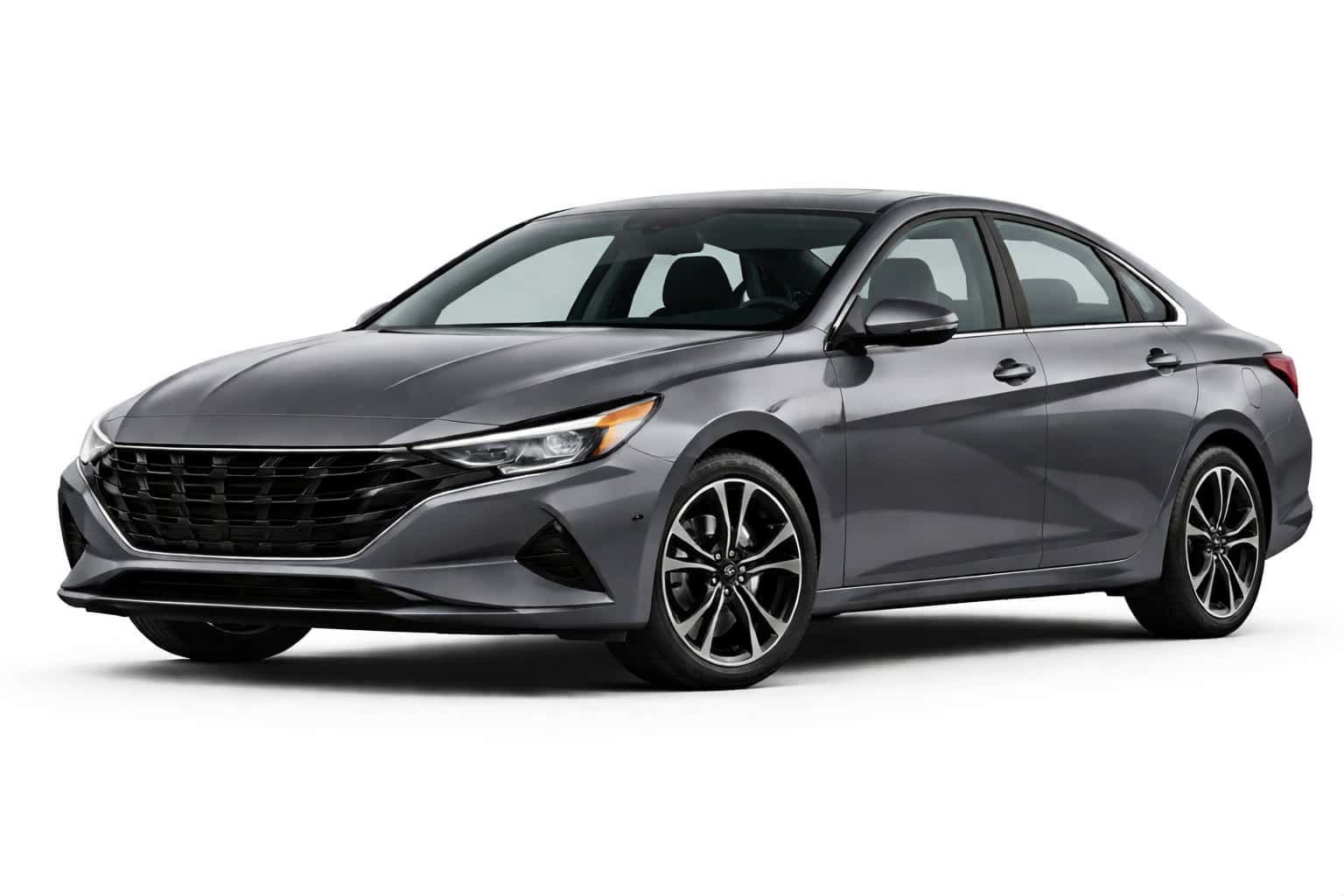
When Hyundai redesigned the Elantra in 2021, it marked a major shift toward sharper styling, improved efficiency, and expanded trim variety. Built by Hyundai Motor Company, the Elantra has evolved since its original release in 1990, becoming one of the highest volume compact sedans globally with millions of units sold. In practical terms, buyers are drawn to the Elantra for its balance of cost, efficiency, and features. Market pricing data from Kelley Blue Book resale values shows compact sedans in this class typically depreciate around 35% to 50% over 5 years, with lower cost models often maintaining steady demand due to affordability.
- Starting prices often between $20,000 and $28,000
- Fuel economy as low as 4.5 L per 100 km
- Annual maintenance typically around $400 to $700
- Warranty coverage up to 10 years or 100,000 miles in some markets
Engines, Performance and Real World Behavior
Looking at the engine lineup, the Elantra offers multiple configurations that directly affect fuel cost, acceleration, and long term ownership. The standard 2.0L 4 cylinder engine produces around 147 hp and delivers real world fuel economy between 6.9 and 7.5 L per 100 km, making it one of the lowest cost options to run in the segment. This engine design has been used across Hyundai models since the mid 2010s, contributing to consistent reliability. Moving into alternative powertrains:
- 1.6L Hybrid
- Combined output around 139 hp
- Fuel economy between 4.5 and 4.9 L per 100 km
- Lower fuel cost by roughly 30% to 50% compared to gasoline models
- 1.6L Turbo N Line
- Around 201 hp
- Fuel economy between 7.5 and 8.2 L per 100 km
- Noticeably quicker acceleration
- 2.0L Turbo Elantra N
- Around 276 hp
- 0 to 100 km per hour in about 5.5 seconds
- Higher tire and brake costs due to performance tuning
For buyers estimating fuel expenses, tools like the fuel calculator and ownership cost calculator help project yearly costs based on mileage.
Driving Experience
Behind the wheel, the Elantra focuses on stability and predictability rather than aggressive handling in most trims. The longer wheelbase introduced in the 2021 redesign improves ride comfort and highway balance. Driving feel varies depending on engine choice and suspension tuning. Base models prioritize smoothness, while performance trims increase stiffness and responsiveness.
- 2.0L models deliver consistent, efficient driving
- Hybrid models emphasize quiet operation and low fuel use
- N Line models improve acceleration and steering response
- N models provide firmer suspension and sharper handling
Driving habits directly affect wear, especially in higher output trims. Resources like how driving habits affect long term vehicle reliability explain how aggressive driving can increase maintenance costs by 20% to 40% over time.
Interior, Comfort and Technology
Inside the cabin, the Elantra emphasizes usability with a clean layout and modern features. The current generation introduced larger digital displays and improved material quality compared to earlier models. The system design reflects Hyundai’s push into advanced infotainment systems starting in the late 2010s, competing directly with offerings from Honda and Toyota. Key interior features include:
- Dual screens up to 10.25 inches
- Cabin space suitable for five passengers
- Trunk capacity around 14.2 cubic feet
- Wireless smartphone connectivity on many trims
Higher trims include upgraded materials, ambient lighting, and premium audio systems.
Fuel Economy and Ownership Costs
From a cost perspective, the Elantra stands out due to its efficiency and relatively low maintenance requirements. Fuel savings can exceed $800 to $1,200 per year compared to less efficient compact sedans depending on usage.
Real world fuel economy:
- 2.0L models: 6.9 to 7.5 L per 100 km
- Hybrid: 4.5 to 4.9 L per 100 km
- N Line: 7.5 to 8.2 L per 100 km
- N: 9.0 to 10.5 L per 100 km
Typical maintenance costs remain manageable:
- Oil changes around $80 to $120
- Annual maintenance averaging $400 to $700
- Tire replacement costs between $600 and $1,200 depending on trim
To better estimate long term expenses, tools like the maintenance cost calculator and ownership cost calculator provide more accurate projections.
Reliability and Common Issues
Looking at long term ownership data, the Elantra shows consistent reliability, particularly with the base engine and hybrid system. Many models reach 200,000 km with regular maintenance. However, certain issues appear more frequently:
- CVT hesitation in earlier models
- Interior noise after 100,000 km
- DCT behavior in early N Line models
- Suspension wear depending on road conditions
Industry data from repair tracking sources shows most issues remain minor, with major drivetrain failures occurring in less than 5% of cases. For used buyers, combining inspection results with tools like the used car inspection checklist to avoid costly mistakes and repair cost estimator helps reduce unexpected expenses.
Safety and Winter Driving
In terms of safety, the Elantra benefits from modern structural design and advanced driver assistance systems. Testing from organizations like the Insurance Institute for Highway Safety shows strong crash performance for recent models. Winter driving capability depends on tire selection and driving conditions. Front wheel drive combined with winter tires improves traction significantly.
- Traction improvement of 20% to 30% with winter tires
- Hybrid models may take longer to warm in extreme cold
- Stability remains strong on highways due to vehicle balance
Available safety features include:
- Adaptive cruise control
- Lane keeping assist
- Blind spot monitoring
- Automatic emergency braking
Best Trims for Different Buyers
Choosing the right trim depends on budget, driving needs, and performance expectations.
- Best overall value
- Preferred or SEL with 2.0L engine
- Balanced cost and efficiency
- Best for high mileage drivers
- Hybrid
- Lowest fuel cost and long term savings
- Best for performance on a budget
- N Line
- Higher power without full performance costs
- Maximum performance
- Elantra N
- Strong acceleration under 6 seconds to 100 km per hour
To evaluate resale and value retention, tools like the vehicle depreciation guide and trade in value estimator help compare long term ownership outcomes.
Used Market and Depreciation
In the used market, the Elantra remains one of the more accessible compact sedans. High production volume contributes to consistent supply and competitive pricing. Typical depreciation patterns:
- Around 35% to 50% over 5 years
- Higher mileage reduces value more quickly after 150,000 km
- Hybrid models retain slightly higher demand due to efficiency
Pricing trends often align with estimates from Kelley Blue Book used car values, which adjust based on condition and regional demand. For more accurate pricing analysis, tools like the depreciation calculator and how mileage impacts vehicle depreciation and resale value provide additional insight.
Who Should Buy the Hyundai Elantra
For buyers comparing compact sedans, the Elantra offers a balance of efficiency, cost control, and modern features. It suits drivers focused on predictable ownership costs and daily usability.
- Strong option for fuel efficiency under 5.0 L per 100 km
- Suitable for long term ownership with maintenance under $700 per year
- Good fit for commuting and daily driving
- Less suitable for buyers needing all wheel drive
- Less ideal for those prioritizing premium interior materials