Several states exceed 20% uninsured rates, creating higher risk for insured drivers.
States with low minimum coverage requirements often show higher uninsured rates.
Even in low-risk states, uninsured drivers remain a meaningful exposure.
Source: Insurance Research Council (IRC), via the Insurance Information Institute (III) Data note: Percentages reflect the most recently published IRC estimates. Values are rounded and represent the share of drivers operating vehicles without auto insurance.
Auto insurance plays a central role in vehicle ownership. Beyond legal requirements, it protects drivers from financial risk related to accidents, theft, weather damage, and liability claims. Understanding how coverage works helps vehicle owners make informed decisions throughout the ownership lifecycle.
This guide provides a clear, non-commercial overview of auto insurance in the United States, including coverage types, cost factors, and how insurance interacts with vehicle value, repairs, and long-term ownership costs.
What Auto Insurance Is Designed to Do
At its core, auto insurance serves three primary purposes:
Protect others from damage or injury you may cause
Protect your vehicle from damage or loss
Protect you financially from unexpected, high-cost events
Insurance does not eliminate risk, but it helps transfer large financial losses into predictable, manageable costs.
Core Types of Auto Insurance Coverage
Liability Coverage
Liability insurance covers damage or injuries you cause to others.
It typically includes:
Bodily Injury Liability – medical costs, lost wages, and legal expenses
Property Damage Liability – damage to other vehicles or property
Liability coverage does not pay for your own vehicle repairs.
Insurance coverage should evolve as a vehicle’s value changes.
Key considerations include:
Older vehicles may not justify full collision or comprehensive coverage
Total loss payouts are based on market value, not purchase price
Rapid depreciation can affect claim settlements and premium efficiency
Insurance decisions should align with realistic vehicle value rather than original cost.
New vs. Used Vehicle Insurance Considerations
New vehicles typically:
Cost more to insure
Require broader coverage
Have higher replacement values
Used vehicles may:
Benefit from reduced coverage
Have lower premiums
Require reevaluation of deductibles and coverage limits
Ownership stage matters as much as vehicle type.
Insurance and Repair Costs
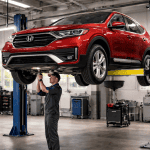
Modern vehicles often include advanced materials and technology that affect insurance outcomes.
Factors that influence claims include:
Sensor and camera replacement costs
Body panel complexity
Availability of parts
Labor time and repair procedures
Higher repair costs often translate to higher premiums over time.
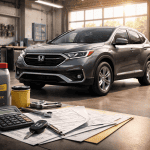
Deductibles and Coverage Limits Explained
Deductible: the amount you pay before insurance applies
Coverage limit: the maximum the insurer will pay
Higher deductibles generally reduce premiums but increase out-of-pocket risk. Coverage limits should reflect realistic exposure rather than minimum requirements alone.
This guide is intended for general educational purposes only. Coverage availability, terms, and requirements vary by provider and jurisdiction. Vehicle owners should always review policy documents carefully and consult licensed professionals when needed.
[…] under Canadian law, you are allowed to cancel your auto insurance policy at any time. You are not required to wait until the end of the term (usually 6 or 12 […]
This platform analyzes depreciation trends, resale value behavior, and long-term ownership costs, helping drivers understand how mileage, maintenance, and timing shape real financial outcomes.