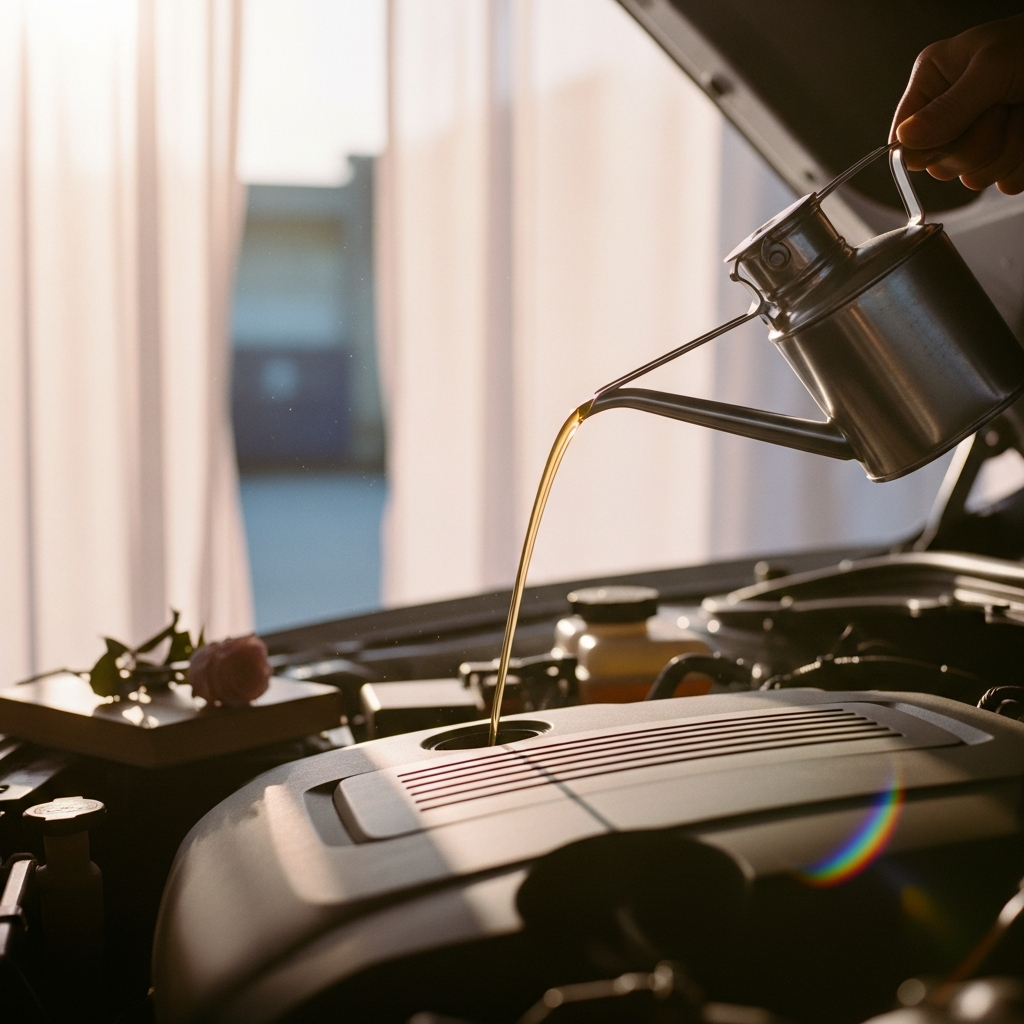
Changing your engine oil is one of the most basic and important maintenance tasks for any vehicle. While details vary by model, the overall process is similar across most cars and light trucks. This guide explains each step clearly so that someone with no prior experience can understand what to do and why it matters.
Important: Always check your vehicle’s owner’s manual for the correct oil type, oil capacity, and filter specifications before starting.
What Engine Oil Does (and Why It Must Be Changed)
Engine oil lubricates the moving parts inside your engine, reducing friction and heat. Over time, oil breaks down and collects dirt, which reduces its ability to protect the engine. Replacing old oil with fresh oil helps maintain engine performance and prevent long-term damage.
Ignoring oil changes can lead to increased wear, overheating, and costly repairs.
What You’ll Need Before You Start
Before beginning, gather the required supplies so you don’t have to stop midway through the job.
✔ The correct engine oil (type and viscosity specified by the manufacturer)
✔ A new oil filter designed for your vehicle
✔ An oil drain pan
✔ A wrench or socket set
✔ An oil filter wrench (sometimes optional)
✔ A funnel
✔ Gloves and paper towels or shop rags
Some vehicles may also require ramps or jack stands if ground clearance is low.
Step 1: Prepare the Vehicle Safely
Park the vehicle on a flat, level surface and turn the engine off. Allow the engine to cool for at least 15–30 minutes. Warm oil drains better than cold oil, but a hot engine can cause burns.
Engage the parking brake and open the hood. Locate the oil fill cap on top of the engine and loosen it slightly. This helps oil drain more smoothly later.
If the underside of the vehicle is difficult to access, raise the front of the vehicle using ramps or a jack and jack stands. Never work under a vehicle that is not securely supported.
Step 2: Drain the Old Oil
Slide the oil drain pan underneath the engine oil pan. Locate the oil drain plug, which is usually found at the lowest point of the oil pan.
Using a wrench, carefully loosen the drain plug. Once it is loose, remove it by hand and allow the oil to drain completely into the pan. This can take several minutes.
When the oil has finished draining, reinstall the drain plug and tighten it securely. Do not overtighten, as this can damage the oil pan threads.
Step 3: Remove the Old Oil Filter
Locate the oil filter. Depending on the vehicle, it may be mounted vertically or horizontally on the engine block.
Turn the filter counterclockwise to loosen it. If it is tight, use an oil filter wrench. Be prepared for some oil to spill as the filter comes off.
After removing the filter, check that the rubber gasket from the old filter is not stuck to the engine. If it is, remove it before installing the new filter.
Step 4: Install the New Oil Filter
Before installing the new filter, apply a small amount of fresh oil to the rubber gasket on the filter. This helps create a proper seal.
Thread the new filter onto the engine by hand until it makes contact. Then tighten it according to the manufacturer’s recommendation. In most cases, hand-tight plus a small additional turn is sufficient.
Step 5: Add New Engine Oil
Remove the oil fill cap on top of the engine. Place a funnel into the opening and slowly pour in the correct amount of new oil.
Once the oil has been added, reinstall the oil fill cap securely.
Step 6: Start the Engine and Check for Leaks
Start the engine and let it run for about 30 seconds. This allows oil to circulate through the engine and fill the new filter.
Turn the engine off and inspect underneath the vehicle for any signs of leaking around the drain plug or oil filter. If you notice leaks, shut off the engine and address the issue before continuing.
Step 7: Verify the Oil Level
Wait a few minutes to allow the oil to settle. Pull out the dipstick, wipe it clean, reinsert it fully, then remove it again to check the oil level.
If the oil level is below the recommended range, add small amounts of oil and recheck until it reaches the proper level.
Disposing of Used Oil Properly
Used engine oil should never be poured down drains or onto the ground. Most auto parts stores and recycling centers accept used oil at no cost. Transfer the old oil into a sealed container and dispose of it responsibly.
✔ Proper disposal protects the environment
✔ Many locations accept oil and filters for recycling
How Often Oil Should Be Changed
Oil change intervals vary depending on the vehicle, oil type, and driving conditions. Many modern vehicles can go longer between changes, especially when using synthetic oil. Always follow the manufacturer’s recommended service interval.
Final Notes for Beginners
Changing engine oil is a straightforward process when done carefully and with the right information. While the steps are similar across most vehicles, always verify specifications before starting. If anything feels unclear or unsafe, consulting a professional technician is the best option.
This guide is provided for general educational purposes only and does not replace manufacturer service instructions or professional advice.