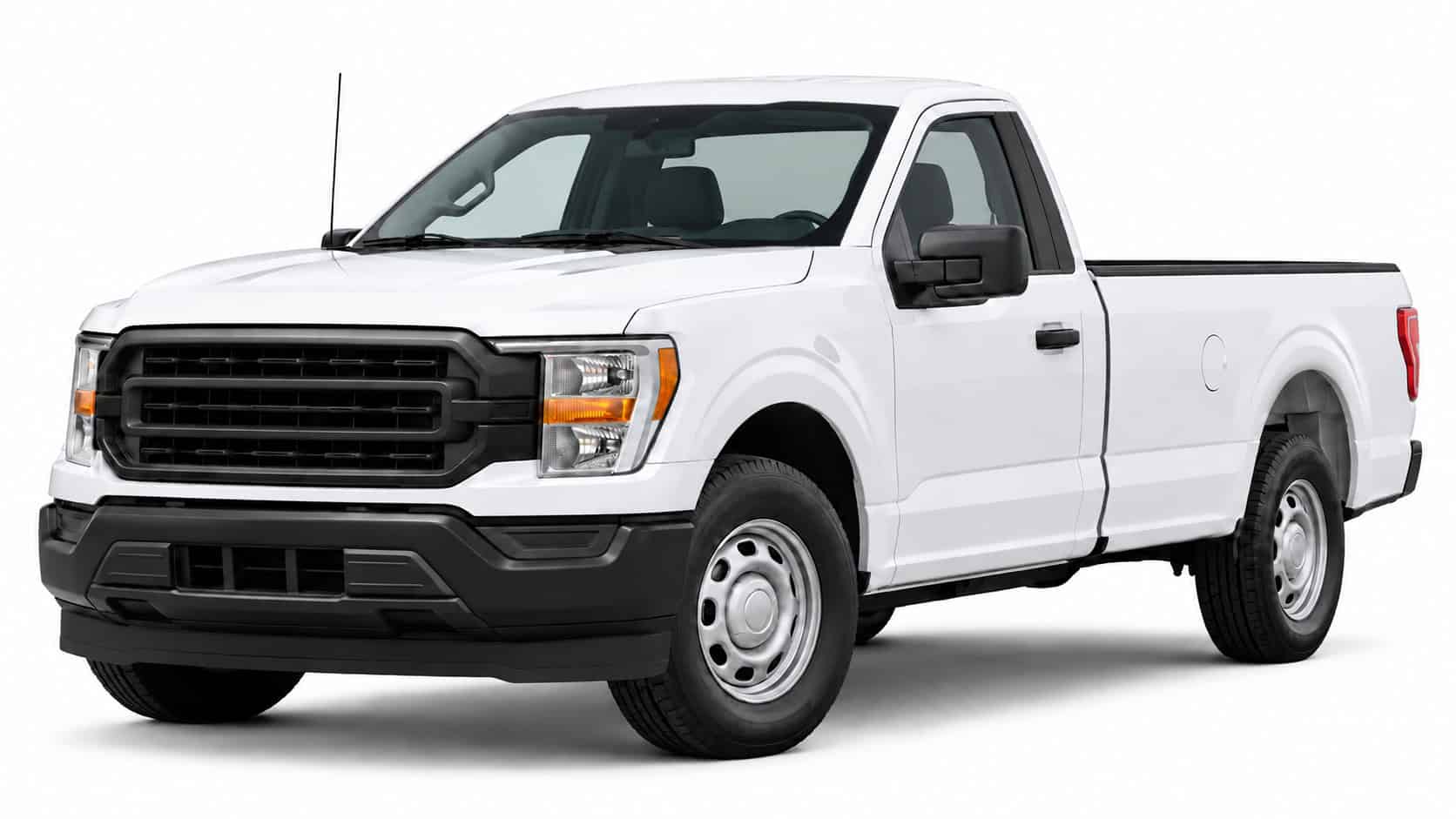
The Ford F-150 XL gives you the core capability of an F-150 without making you pay for luxury equipment you may never use. It sits at the entry point of the F-150 lineup and focuses on durability, useful configurations, and work-ready equipment. You can find XL models with several engines, three cab styles, multiple bed lengths, and either rear-wheel drive or 4×4. That flexibility is why the XL is common among contractors, fleet operators, and private owners who need a truck to work rather than impress the neighbors with fancy seats. You are not locked into a bare-bones setup either. Ford offered packages that add towing equipment, off-road hardware, upgraded technology, and appearance changes. Equipment varies considerably by model year, so you should check the exact truck rather than assuming every F-150 XL includes the same features. If capability and purchase price matter more to you than luxury, the XL is the straightforward starting point.
Trim Positioning
Choosing the Ford F-150 XL puts function ahead of premium materials. You generally get simpler seats, flooring, wheels, and cabin equipment than you would in higher F-150 trims. That simplicity can be useful when your truck regularly sees muddy boots, tools, job sites, or heavy daily use. Vinyl flooring is easier to clean than plush carpet. Steel wheels also make sense on a truck where durability matters more than appearance. The XL does not prevent you from adding equipment, however. Optional packages can improve towing, technology, off-road capability, and exterior styling. Engine availability is another important advantage. Depending on the model year, the XL can move from a basic V6 to EcoBoost, V8, or hybrid power. You should therefore think of the XL as a starting platform rather than one fixed specification.
Lineup position: Entry-level F-150 trim.
Main purpose: Work, fleet use, towing, hauling, and straightforward personal transportation.
Cabin focus: Durable materials and fewer luxury features.
Customization: Optional packages can add comfort, technology, towing, and appearance equipment.
Engine selection: Choices vary from a naturally aspirated V6 to EcoBoost, V8, and available hybrid power depending on year.
Available Configurations
One of the biggest strengths of the Ford F-150 XL is how easily you can match the truck to the work you actually perform. Regular Cab models keep things simple and can seat up to 3 people. SuperCab and SuperCrew versions provide additional passenger space, with some configurations accommodating 5 or 6 occupants. Bed choices include approximately 5.5 ft, 6.5 ft, and 8 ft, although the available combinations depend on cab style and model year. Rear-wheel drive works well when you mainly stay on pavement and do not need additional traction. A 4×4 model makes more sense when you regularly encounter snow, mud, loose surfaces, or job sites. Axle ratios can include 3.31, 3.55, and 3.73 depending on the engine and year. The right combination matters because cab, bed, drivetrain, and axle ratio can all affect towing and payload limits.
Configuration
F-150 XL Options
Cab
Regular Cab, SuperCab, SuperCrew
Bed
5.5 ft, 6.5 ft, 8 ft
Drivetrain
RWD or 4×4
Axle Ratios
3.31, 3.55, 3.73 depending on configuration
Seating
3 to 6 depending on cab and seating layout
Engine Options
Engine selection changes the personality of the Ford F-150 XL more than almost any interior option. Depending on the model year, the 3.3L V6 serves as the basic engine and suits drivers who do not need maximum towing performance. The 2.7L EcoBoost V6 adds turbocharged torque while maintaining an efficiency-focused design. Moving to the 5.0L V8 gives you traditional V8 power and a naturally aspirated engine. The 3.5L EcoBoost V6 is aimed more heavily at demanding towing applications. Certain years also make the 3.5L PowerBoost Hybrid available, combining gasoline and electric power. Recent versions use a 10-speed automatic transmission. You should choose the engine around workload rather than horsepower bragging rights. A truck that spends most of its life commuting has very different needs from one pulling a loaded trailer every week.
3.3L V6: Base engine offered during applicable model years.
2.7L EcoBoost V6: Balances turbocharged torque with fuel efficiency.
5.0L V8: Provides traditional naturally aspirated V8 power.
3.5L EcoBoost V6: Better suited to configurations built around heavier towing.
3.5L PowerBoost Hybrid: Adds electric assistance and is available during select model years.
Transmission: Recent engines pair with a 10-speed automatic transmission.
XL Standard Features
The Ford F-150 XL cabin is intentionally straightforward, but the amount of technology you receive depends heavily on the model year. Older trucks can have a 4.2-inch productivity display and more basic infotainment. Newer versions can include an 8-inch SYNC 4 touchscreen, Bluetooth, USB connectivity, and FordPass Connect with Wi-Fi hotspot capability. Vinyl or cloth seating is available depending on year and configuration. Vinyl flooring is common, while carpet may be available when you want a more conventional passenger-vehicle feel. Outside, the XL traditionally uses simple equipment such as black bumpers, a black grille, steel wheels, halogen headlights, and a manual tailgate. A power tailgate lock can be available. These features keep the truck relatively simple while still covering daily driving needs. If you are shopping used, test every electronic feature because the equipment list can change substantially from one model year to another.
Interior: Vinyl or cloth seats, manual climate controls, durable flooring, and a manual tilt and telescoping steering column.
Infotainment: Older models can use a 4.2-inch display, while newer trucks can offer an 8-inch SYNC 4 touchscreen.
Connectivity: Bluetooth, USB ports, and available FordPass Connect provide everyday phone and internet functions.
Exterior: Black grille, black bumpers, steel wheels, and halogen headlights keep the basic specification straightforward.
Cargo access: A manual tailgate is common, with additional locking equipment available depending on year.
XL Optional Packages
You do not have to move into an expensive F-150 trim just to get useful upgrades. Ford offered several packages that allow the XL to remain relatively simple while adding equipment for a particular job. The STX Appearance Package changes the truck’s basic work-truck appearance with upgraded wheels, body-color exterior pieces, sportier styling, and additional technology depending on year. Tow packages can add equipment such as an upgraded hitch, trailer technology, and an integrated trailer brake controller. On 4×4 trucks, the FX4 Off-Road Package adds hardware designed for rougher surfaces. That can include skid plates, off-road tuned shocks, and Hill Descent Control. Certain years also offered an XL Chrome Package with chrome bumpers and grille treatments. When buying used, check the original equipment rather than relying on appearance alone. A set of aftermarket wheels does not magically turn an XL into an FX4.
STX Appearance Package: Adds upgraded wheels, body-color exterior pieces, sport styling, and equipment that varies by year.
Tow Package: Can add an upgraded hitch, Smart Trailer Tow features, and an integrated trailer brake controller.
FX4 Off-Road Package: Available on compatible 4×4 models with skid plates, off-road tuned shocks, and Hill Descent Control.
XL Chrome Package: Adds chrome exterior details on model years where the package was offered.
Towing & Payload
The Ford F-150 XL can be a serious work truck, but its maximum capability cannot be determined by the XL badge alone. Towing can range from roughly 5,000 lbs to more than 14,000 lbs across applicable configurations. Payload can range from about 1,700 lbs to more than 3,300 lbs. Those are large differences. Engine choice, axle ratio, drivetrain, cab style, bed length, equipment, and model year all affect the final rating. This is why you should never assume that two XL trucks parked beside each other can handle the same trailer. Maximum advertised ratings also apply only to correctly configured trucks. If you regularly tow or haul near the limit, check the specific truck’s certification labels and the appropriate Ford towing information before loading it. Ford publishes model-specific towing resources through its towing and hauling information, which can help you verify the requirements for the truck you are considering.
Capability
Typical XL Range
Towing
About 5,000 to 14,000+ lbs
Payload
About 1,700 to 3,300+ lbs
Safety Features
A work-focused Ford F-150 XL still gives you important safety equipment, although the exact systems depend on model year and packages. Standard equipment can include Pre-Collision Assist, Automatic Emergency Braking, a rearview camera, Curve Control, AdvanceTrac with Roll Stability Control, and Trailer Sway Control. These features are especially useful in a pickup because an empty truck and a loaded truck can behave very differently during sudden steering or braking. Optional equipment can expand the safety package with Blind Spot Information System, Lane-Keeping System, Rear Cross-Traffic Alert, and Adaptive Cruise Control. If you are comparing two used XL trucks, confirm which systems are actually installed instead of assuming they came with the trim. Technology packages changed over time. You should also remember that driver assistance cannot correct an overloaded truck, worn tires, or an improperly balanced trailer. The hardware still has to be right before the electronics can help.
Dimensions
The Ford F-150 XL can change dramatically in size depending on the cab and bed you select. Overall length can range from roughly 209 to 250 inches. Width is approximately 79.9 inches, while height generally falls between about 75 and 78 inches. Wheelbase can stretch from approximately 122 to 163 inches. Those differences are significant when you are deciding whether the truck needs to fit inside a garage, maneuver around a tight work site, or regularly park in crowded areas. Bed lengths of 5.5 ft, 6.5 ft, and 8 ft also change how much cargo space you have behind the cab. Regular Cab versions can seat 3 people. SuperCab and SuperCrew configurations can carry 5 or 6 depending on the seating arrangement. Measure your parking space before choosing the longest configuration. Discovering that your truck is several inches longer than your garage after bringing it home is a very expensive measuring lesson.
Dimension
Approximate Range
Length
209 to 250 in
Width
79.9 in
Height
75 to 78 in
Wheelbase
122 to 163 in
Bed Length
5.5 ft, 6.5 ft, 8 ft
Seating
3 to 6
XL Reliability Overview
The simpler equipment found in the Ford F-150 XL can reduce the number of luxury features that may eventually need repair, but engine and transmission choice still play a major role in long-term reliability. The 5.0L V8 and 2.7L EcoBoost are proven engine choices within the supplied XL lineup, while individual reliability depends on model year, mileage, service history, and previous use. EcoBoost engines can develop carbon buildup. Older 5.0L V8 trucks have reported oil consumption concerns. Early years of the 10-speed automatic can also experience shift flare or unusual shifting behavior. None of those issues means every truck will develop the same problem. When you inspect a used XL, check the oil level, listen carefully during a cold start, and pay attention to transmission behavior during the test drive. Service records matter even more on former work trucks because heavy towing, idling, and fleet use can add substantial wear without looking unusual on the odometer.
XL Ownership Costs
Owning a Ford F-150 XL can cost less than running a heavily equipped upper trim because there are fewer luxury components and the initial purchase price is generally lower. Insurance can also be lower than on more expensive F-150 versions, although your actual premium depends on location, driving history, annual mileage, coverage, and the truck’s value. Maintenance costs depend more heavily on engine, drivetrain, mileage, and how you use the truck. A 4×4 XL that regularly tows heavy equipment will naturally have different expenses from a rear-wheel-drive truck used mainly for commuting. Fuel is another major variable because consumption changes with engine choice, trailer use, load, tires, and driving conditions. Strong resale value can help offset some ownership expense when it is time to sell. You should calculate fuel, insurance, maintenance, repairs, and depreciation together rather than judging affordability from the purchase price alone.
XL Competitors
The Ford F-150 XL competes directly with other full-size pickups built around basic work and fleet use. Chevrolet offers the Silverado 1500 WT, while Ram counters with the 1500 Tradesman. GMC’s Sierra 1500 Pro fills a similar role, and the Toyota Tundra SR gives you another entry-level full-size truck to consider. Comparing these trucks requires more than looking at the lowest advertised price. Check engine availability, cab and bed combinations, towing requirements, payload ratings, drivetrain, standard safety equipment, and the features you actually need for work. The F-150 XL stands out within its own lineup because of the number of ways it can be configured. That flexibility can be valuable when you need a specific cab, bed, engine, or towing setup. Your best comparison is therefore between trucks configured for the same job rather than two base trims that happen to carry similar starting positions in their respective lineups.
Competitor
Comparable Trim
Chevrolet Silverado 1500
WT
Ram 1500
Tradesman
GMC Sierra 1500
Pro
Toyota Tundra
SR
Ford F-150 XL Final Takeaway
The Ford F-150 XL makes the most sense when you want F-150 capability without paying for equipment that does not help you work, tow, haul, or get through the day. Its biggest advantage is choice. Depending on the model year, you can select Regular Cab, SuperCab, or SuperCrew configurations. Bed lengths range from 5.5 ft to 8 ft. Engine choices can include the 3.3L V6, 2.7L EcoBoost, 5.0L V8, 3.5L EcoBoost, and 3.5L PowerBoost Hybrid. Properly configured trucks can also provide substantial towing and payload capability. The tradeoff is a simpler cabin and fewer standard convenience features than higher F-150 trims. That is not necessarily a disadvantage. If you need a truck for regular work, simpler equipment can be exactly what you want. Before buying an F-150 XL, focus on the engine, cab, bed, axle ratio, drivetrain, service history, and installed packages. Those details tell you far more about what the truck can actually do than the XL badge alone.
This platform analyzes depreciation trends, resale value behavior, and long-term ownership costs, helping drivers understand how mileage, maintenance, and timing shape real financial outcomes.