


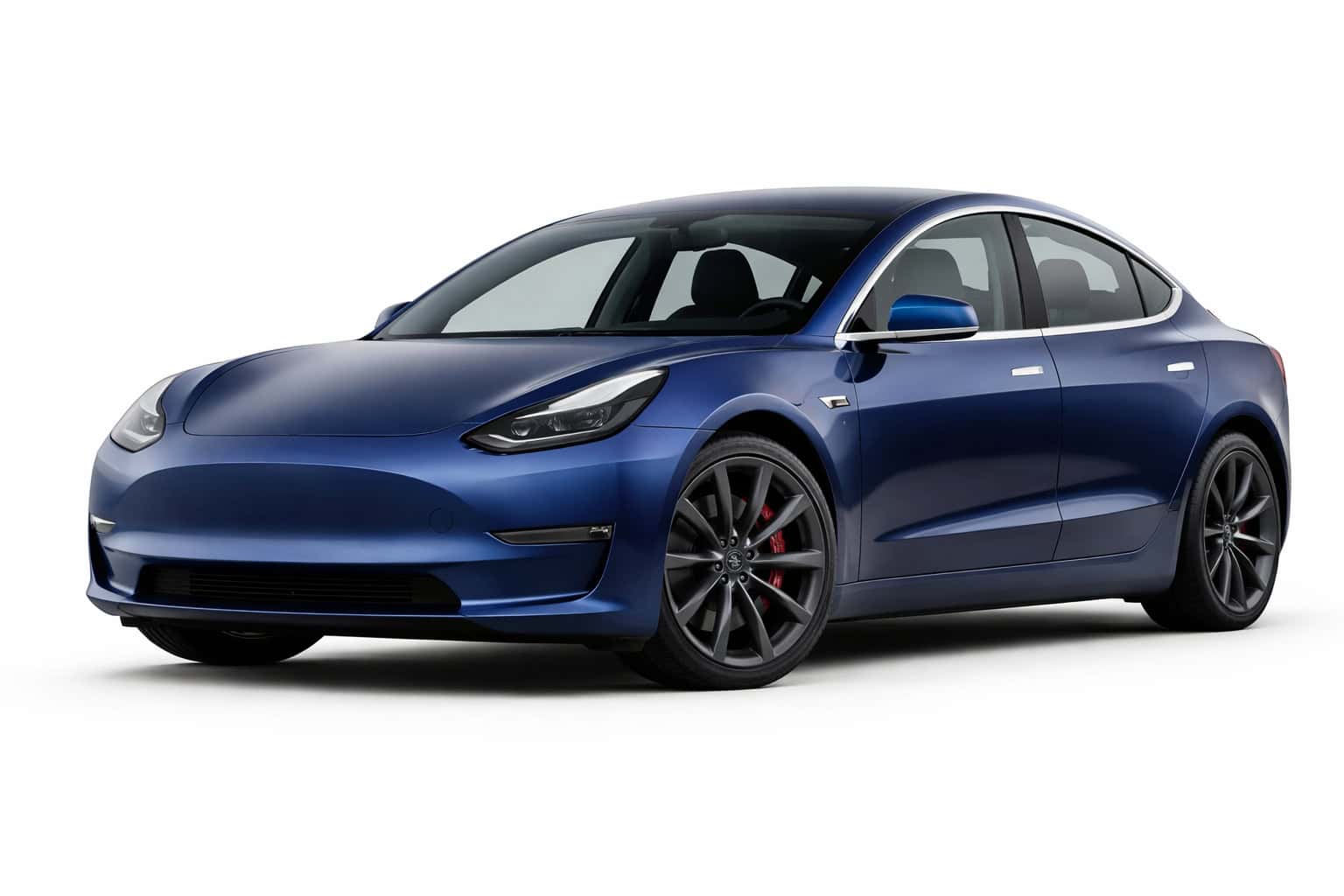
The Tesla Model 3 has changed considerably since production began in 2017. What started as Tesla’s smaller and more affordable electric sedan gradually gained longer driving range, better charging behavior, improved cold-weather efficiency, stronger performance, and a more refined cabin. Those differences matter when you shop used because an early Model 3 and a newer Highland model can provide noticeably different experiences even though both carry the same name.
Tesla also updates its vehicles differently from many traditional automakers. Battery types, motors, software, interior parts, charging hardware, and other equipment can change during a production year. You should therefore use the model year as a starting point and confirm the equipment on the individual car before buying. This guide follows the important Model 3 revisions sold in the United States and Canada so you can determine which version best matches your driving, climate, charging needs, and budget.
Tesla Model 3 Generation Timeline
The Model 3 entered production in 2017, initially led by Long Range Rear-Wheel Drive models. Dual Motor AWD and Performance versions expanded the lineup in 2018, followed by Standard Range Plus in 2019. Efficiency and interior improvements became more significant around 2020, while 2021 brought the heat pump across the updated lineup and made cold-weather ownership easier. Battery choices evolved again as LFP batteries became important in rear-wheel-drive cars. Tesla continued refining the original design through 2023 before introducing the extensively revised Highland Model 3 for 2024, followed by a redesigned Performance version.

2017–2018 Tesla Model 3

Early Production and Lineup Expansion
The first Model 3 deliveries established the basic formula that continues today. You got a low-mounted battery, minimalist interior, large central touchscreen, strong electric efficiency, and access to Tesla’s Supercharger network. Early production concentrated on Long Range Rear-Wheel Drive. Tesla added Dual Motor AWD and Performance versions during 2018, giving you considerably more choice in traction and acceleration.
Read More
These cars represent the earliest stage of Model 3 manufacturing, so condition deserves extra attention when you shop used. Production was expanding rapidly, and some early vehicles showed greater variation in panel alignment, interior trim, seals, and other finishing details. Canadian availability was also more limited during the initial rollout. If you are considering a 2017 or 2018 car, inspect the individual vehicle carefully rather than assuming every early Model 3 shares the same problems.
What Changed in 2017–2018
You gained more drivetrain choices as Tesla moved beyond the original Long Range RWD configuration. Dual Motor AWD made the Model 3 more attractive for snowy regions, while Performance introduced much stronger acceleration. Software updates also continued changing efficiency, charging behavior, and vehicle functions after delivery. Cold-weather operation was less efficient than on later heat-pump-equipped cars, making winter range planning particularly important in Canada and northern U.S. states.
2019 Tesla Model 3

A More Established Model 3 Lineup
By 2019, the Model 3 had moved beyond its earliest production period and was becoming much easier to find across North America. Standard Range Plus expanded the lower-priced end of the lineup, while Long Range and Performance versions continued serving buyers who wanted additional distance or speed. Manufacturing experience also helped make vehicle assembly more consistent than during the earliest production ramp.
Read More
For you as a used buyer, 2019 can represent an appealing middle ground. You avoid some of the uncertainty associated with the first production cars without paying for the larger hardware changes that arrived later. Canadian deliveries had increased, and U.S. buyers had a broader supply of used configurations. You still need to account for greater winter electricity consumption because these cars predate the later heat-pump setup.
What Changed in 2019
Standard Range Plus became an important addition because it lowered the entry point while retaining the Model 3’s basic electric-driving advantages. Tesla continued refining battery management and Supercharging through software, while interior and production consistency improved. When comparing a 2019 car with an early 2018 example, examine price, condition, battery and drive-unit warranty coverage, and equipment together. One extra year on the registration does not automatically make the newer car worth thousands more.
2020 Tesla Model 3

Major Efficiency and Interior Improvements
The 2020 period brought more meaningful hardware changes. Tesla introduced an updated Model 3 with heat-pump technology, revised interior details, USB-C connections, and efficiency improvements. The heat pump matters because cabin heating can consume substantial battery energy during winter. Using electricity more efficiently for heating helps preserve useful driving range when temperatures fall.
Read More
The timing of Tesla updates means you should verify the build date and equipment on any 2020 car you consider. Not every change appeared neatly at the beginning of the calendar year. This is particularly important in Canada, where improved thermal management can have a noticeable effect on winter ownership. Check the actual vehicle rather than relying on a seller who simply writes “2020 Model 3” and considers the research finished.
What Changed in 2020
Heat-pump technology began appearing with the refreshed configuration, while charging preconditioning and energy management continued improving. Updated interior trim and USB-C connections made the cabin more current, and several configurations received range improvements. These changes make later 2020 cars especially worth comparing with 2019 examples when the price difference is reasonable.
2021 Tesla Model 3

Better Cold-Weather Efficiency
The 2021 Model 3 is an important point in the timeline if you regularly drive through freezing temperatures. Heat-pump thermal management became part of the updated lineup, helping the car manage cabin and battery temperatures more efficiently than earlier resistance-heater models. You still lose range in winter, but the newer system gives you a better starting point when cold weather is unavoidable for several months of the year.
Read More
Other changes included revised wheels, aerodynamic covers, interior updates, and range improvements across parts of the lineup. Long Range AWD is particularly attractive for Canadian and northern U.S. ownership because it combines additional battery reserve with all-wheel-drive traction. AWD does not replace winter tires, however. Four powered wheels can help you accelerate. They cannot negotiate with ice when you need to stop.
What Changed in 2021
The combination of improved thermal management and additional refinement makes 2021 a useful dividing line when shopping used. You gain a more winter-friendly Model 3 without moving all the way to the newest Highland design. EPA ratings in the United States and NRCan figures in Canada can differ, so use the appropriate official rating for your market and allow additional range reserve during severe winter conditions.
2022 Tesla Model 3

Battery Chemistry Became More Important
Battery type became a bigger part of the buying decision around this period. Rear-wheel-drive Model 3s increasingly used lithium iron phosphate batteries, commonly called LFP, while Long Range and Performance configurations used different battery chemistry. LFP changes how you approach regular charging because Tesla’s charging recommendations for these batteries differ from those for other Model 3 battery packs.
Read More
Cold weather is where you should pay closer attention. An LFP-equipped RWD car can work very well for commuting, particularly when you charge at home, but low temperatures can have a greater effect on battery performance and charging. If you regularly make long winter trips, Long Range AWD provides additional reserve capacity and AWD traction. The right choice depends on your actual travel rather than which battery acronym looks more impressive in an advertisement.
What Changed in 2022
LFP-equipped RWD models became an important part of the lineup, and their ability to be regularly charged according to Tesla’s specific LFP guidance changes daily charging habits. Minor interior and software revisions continued as well. Before buying, identify the battery configuration and follow the charging recommendations for that specific vehicle rather than applying advice intended for another Model 3 battery type.
.
2023 Tesla Model 3

The Mature Original Design
The 2023 Model 3 represents one of the final stages of the original exterior and interior design before Highland arrived. By this point, Tesla had years of experience building the car, and the platform had received numerous software, battery-management, thermal, and manufacturing refinements. You still get the familiar central-screen cabin and established electric drivetrain without paying specifically for the redesigned Highland interior and suspension.
Read More
This year can make sense when used pricing creates enough separation from a 2024 model. A newer design is attractive, but thousands of dollars can buy quite a lot of home electricity. Compare the actual asking price, remaining warranty, battery configuration, mileage, tires, accident history, and condition. A clean 2023 at the right price can be more sensible than stretching your budget solely to obtain the newest dashboard.
What Changed in 2023
Changes were more incremental than revolutionary. Tesla continued adjusting range, software, cabin refinement, and production details while the basic vehicle remained familiar. Charging preconditioning and route planning were already well established by this point. For you, the main attraction is getting a mature version of the original Model 3 before the extensive Highland redesign.
2024–2025 Tesla Model 3 Highland

The Largest Model 3 Refresh Since Launch
Highland brought the most substantial collection of Model 3 changes since 2017. Tesla redesigned the exterior, improved aerodynamics, revised the suspension, added cabin insulation, updated interior materials, and changed numerous controls and technology features. These improvements make the newer car quieter and more refined, which matters if you spend hours commuting or regularly cover long highway distances.
Read More
The redesigned controls deserve attention during your test drive. Traditional steering-column stalks disappeared, moving several functions to steering-wheel and screen controls. Some drivers adapt quickly, while others prefer physical stalks. You should try the system yourself before spending the money. A control layout that annoys you in the dealership parking lot is unlikely to become delightful after 30,000 km.
What Changed With Highland
Improved aerodynamics help reduce electricity consumption, while suspension revisions target ride comfort and additional insulation reduces road and wind noise. The cabin received updated materials and technology, giving Highland a noticeably different feel from the original design. Canadian buyers also benefit from the accumulated improvements in thermal management when winter arrives, although freezing temperatures still increase electricity use and reduce available range.

Highland Performance Goes Beyond Extra Acceleration
The Highland-era Performance model received changes intended to make its additional power more useful rather than simply producing a quicker straight-line launch. Revised motors, suspension tuning, braking hardware, cooling, wheels, and tires give you a Model 3 designed for harder driving. The result is considerably more performance than you need for commuting, which has never stopped anyone from enjoying considerably more performance than they need.
Read More
That extra capability has tradeoffs. Performance tires can cost more to replace, and repeated hard acceleration increases electricity consumption. Cold temperatures can reduce available range further, so Canadian and northern U.S. drivers should leave a larger battery reserve during winter trips. Buy the Performance because you genuinely value its acceleration and handling. Long Range is usually the more practical choice when distance and efficiency come first.
What Changed With Highland Performance
The newer Performance combines stronger acceleration with revised suspension, braking, cooling, and chassis tuning. These changes make it more capable during repeated demanding driving than simply increasing motor output would accomplish. You should also price replacement tires before buying used because performance-grade rubber can become one of the more noticeable recurring ownership expenses.
How Tesla Model 3 Charging Improved Over Time
Charging has become easier as Tesla refined battery management, preconditioning, route planning, and thermal control. Early 2017–2019 cars can still use the Supercharger network effectively, but cold battery temperatures can have a greater effect on charging speed and trip planning. Later Model 3s gained more sophisticated thermal management, while heat-pump-equipped cars improved how electricity is used during cold-weather operation. You can check current stations through Tesla’s official Supercharger information.
| Model 3 Period | Charging Development | What It Means for You |
|---|---|---|
| 2017–2019 | Earlier thermal and charging management | More planning during freezing weather |
| 2020–2022 | Improved preconditioning and thermal management | More predictable winter and road‑trip charging |
| 2023 | Mature original‑generation charging system | Established route planning and preconditioning |
| 2024–2025 Highland | Improved overall efficiency and thermal refinement | More polished long‑distance charging experience |
How Tesla Model 3 Range Changed
The Model 3 did not gain range at exactly the same rate every year because batteries, motors, wheels, software, and configurations changed throughout production. Early RWD versions can commonly deliver around 220–260 miles or 350–420 km under suitable real-world conditions, while early AWD cars can reach roughly 260–300 miles or 420–480 km. Later configurations improved those figures, but temperature, highway speed, wind, wheel choice, climate use, and battery condition can change what you actually achieve.
| Model 3 Period | Approximate RWD Real-World Range | Approximate AWD Real-World Range |
|---|---|---|
| 2017–2018 | 220–260 miles / 350–420 km | 260–300 miles / 420–480 km |
| 2019–2022 | 240–270 miles / 380–430 km | 280–330 miles / 450–530 km |
| 2024–2025 Highland | Varies by configuration | Varies by configuration |
How Tesla Model 3 Build Quality Changed
Build quality is one of the clearest differences between the earliest Model 3s and later production. Some 2017–2018 vehicles showed inconsistent panel alignment, trim fit, seals, and cosmetic finishing while Tesla rapidly increased manufacturing volume. That does not mean every early car is poorly assembled. It means you should inspect one more carefully and judge the individual vehicle rather than assuming its mileage tells the whole story.
Manufacturing became more mature through the 2019–2023 period, while Highland brought redesigned interior materials, better noise control, and broader refinement changes. When shopping used, inspect paint, glass, weather seals, panel alignment, interior trim, suspension noises, and signs of water entry. These are things you can evaluate before buying. There is little benefit in discovering an obvious crooked panel after it officially becomes your crooked panel.
Which Tesla Model 3 Generation Should You Buy?
Your best Model 3 depends on whether you value purchase price, winter efficiency, driving range, or newer refinement most. A 2019 can provide a lower-cost entry into the lineup without placing you directly in the earliest production period. A 2021 or newer Long Range AWD becomes more attractive when winter travel matters, while Highland gives you the largest improvement in cabin refinement, ride quality, and overall design.
- Best early-generation value: 2019.
- Best choice for winter driving: 2021 or newer Long Range AWD with proper winter tires.
- Best original-design choice for range: 2021–2022 Long Range AWD.
- Best choice for cabin refinement: 2024–2025 Highland.
- Best performance choice: 2024–2025 Highland Performance.
- Best newer daily driver: Highland RWD or Long Range.
- Best choice for frequent long-distance travel: Long Range AWD.
What to Check Before Buying a Used Model 3
Buying an older electric car changes what deserves your attention, but it does not eliminate the need for a proper inspection. You do not have engine oil, spark plugs, or a conventional transmission to evaluate. Instead, battery condition, charging hardware, suspension wear, tires, climate control, electronics, body repairs, and remaining warranty coverage become more important. Check the exact configuration because Tesla hardware can differ even between cars carrying the same model-year designation.
- Confirm the exact model year and drivetrain.
- Identify the battery configuration when possible.
- Check remaining battery and drive-unit warranty coverage.
- Test AC charging and DC fast charging when practical.
- Look for battery, motor, charging, camera, or safety-system warnings.
- Inspect all 4 tires for tread depth and uneven wear.
- Listen for suspension noises over uneven pavement.
- Test heating, air conditioning, touchscreen, cameras, windows, lights, and seats.
- Inspect panels and paint for evidence of collision repairs.
- Check the trunk, doors, glass, and seals for signs of water entry.
- Confirm which paid software features remain with the vehicle.
- Review accident and service history before agreeing on a price.
Conclusion
The Model 3 has evolved enough since 2017 that choosing the right year can materially change your ownership experience. Early cars can give you a lower purchase price, while 2019 represents a more established version of the original design. The 2021 updates become especially attractive if you regularly face freezing temperatures. Highland takes the larger step forward with a quieter cabin, revised suspension, improved materials, better aerodynamics, and a substantially refreshed design.
Choose the generation around the driving you actually do. You may not need to pay extra for maximum range if your normal commute is short and home charging is easy. Long Range AWD gives you more flexibility when Canadian winters or frequent highway trips are part of your routine. Whatever year you choose, inspect the individual car carefully. The production year tells you what Tesla was building at the time. The vehicle’s condition tells you whether that particular Model 3 deserves your money.


