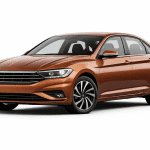
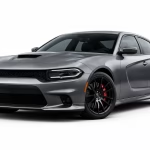
The Volkswagen Jetta trim lineup gives you several ways to configure Volkswagen’s compact sedan. Most late model Jetta trims focus on fuel economy, everyday comfort, and useful passenger space. The GLI takes a different route with a 2.0L turbo engine and performance upgrades. In the United States, recent Jetta shoppers commonly encounter S, Sport, SE, and SEL trims, plus the GLI. Canadian names and equipment differ more noticeably by model year, so you should not assume the U.S. trim ladder applies directly to a Canadian car. That distinction matters when you shop used. A trim name can tell you a lot, but the model year and original market tell you the rest.
Volkswagen Jetta Trim Lineup
The Volkswagen Jetta trim you choose determines much more than seat material or wheel design. The regular Jetta models use a smaller turbocharged engine and concentrate on efficiency. Higher trims add comfort, technology, and appearance upgrades. The GLI sits apart because Volkswagen gives it a larger engine, substantially more horsepower, stronger brakes, and a sportier suspension setup. You should start by deciding whether you want an efficient Jetta or the performance focused GLI. From there, choosing among the regular trims becomes mostly a question of equipment and price.
| Trim |
Main Role |
Engine |
Horsepower |
Drivetrain |
| S |
Entry Jetta |
1.5L turbo 4 cylinder |
158 hp |
FWD |
| Sport |
Sport styled Jetta |
1.5L turbo 4 cylinder |
158 hp |
FWD |
| SE |
Comfort upgrade |
1.5L turbo 4 cylinder |
158 hp |
FWD |
| SEL |
Higher equipment level |
1.5L turbo 4 cylinder |
158 hp |
FWD |
| GLI |
Performance Jetta |
2.0L turbo 4 cylinder |
228 hp* |
FWD |
*GLI output depends on model year. The figures on this page describe common recent configurations rather than every Jetta ever sold.
Volkswagen Jetta S
The Jetta S is the starting point for U.S. buyers who want the core sedan without paying for a long list of comfort upgrades. In recent versions, you still get the 1.5L turbocharged 4 cylinder engine with 158 hp and 184 lb ft of torque. That means the least expensive Jetta does not receive a weaker engine simply because you picked the base trim. The differences appear mainly in wheels, upholstery, convenience features, and available technology. If your priority is transportation rather than leather seats and premium audio, the S gives you the basic Jetta formula with fewer extras to pay for.
- Engine: 1.5L turbocharged 4 cylinder
- Horsepower: 158 hp
- Torque: 184 lb ft
- Drivetrain: FWD
- Seating: Up to 5 people
- Cabin position: Entry equipment level
- Main advantage: Core Jetta engine and passenger space at the lowest trim position
Volkswagen Jetta Sport
The Jetta Sport builds on the entry model without changing the basic 1.5L turbo engine. You still have 158 hp and 184 lb ft, but the trim adds a more athletic appearance and model year dependent equipment changes. This is an important distinction if you see the word Sport and expect GLI performance. The Sport is not a substitute for the GLI. Its appeal comes from giving the regular Jetta a stronger visual identity without moving you into the more powerful 2.0L performance model. If appearance matters more to you than an extra 70 hp, the Sport can occupy an appealing middle ground.
- Engine: 1.5L turbocharged 4 cylinder
- Output: 158 hp and 184 lb ft
- Drivetrain: FWD
- Main difference: Sportier appearance than the entry trim
- Performance engine: No. It retains the regular Jetta engine
- Best reason to consider it: More visual character without stepping into GLI running costs
Volkswagen Jetta SE
Moving into the Jetta SE shifts the emphasis toward comfort. The engine remains the familiar 1.5L turbo with 158 hp, so you are paying for additional cabin and convenience equipment rather than a large performance increase. Depending on model year, that can include heated front seats, upgraded upholstery, power seat functions, larger wheels, and additional convenience equipment. This makes the SE useful when you spend a lot of time commuting and want features you will actually touch every day. When buying used, compare the original equipment rather than relying entirely on the SE badge. Volkswagen changed features over time, and optional packages can make two apparently similar cars surprisingly different.
- Engine: 1.5L turbocharged 4 cylinder
- Horsepower: 158 hp
- Torque: 184 lb ft
- Drivetrain: FWD
- Interior: Upgraded materials compared with lower trims
- Comfort equipment: Heated seating and other upgrades on applicable model years
- Wheel equipment: Larger designs can appear depending on year
- Main purpose: Additional comfort without changing to the GLI powertrain
Volkswagen Jetta SEL
The Jetta SEL occupies the upper end of the regular U.S. Jetta range. Instead of adding a larger engine, Volkswagen uses this trim to give you more comfort, technology, and cabin equipment while retaining the 158 hp 1.5L turbo. Recent versions can include features such as upgraded seating surfaces, a digital instrument display, premium audio, larger wheels, additional lighting, and more driver assistance equipment. This makes the SEL fundamentally different from the GLI. You choose the SEL when premium features matter more than maximum performance. If you are shopping used, check that the expensive electronics and comfort features work correctly. A premium audio system loses some of its charm when only the passenger side speakers have decided to participate.
- Engine: 1.5L turbocharged 4 cylinder
- Output: 158 hp and 184 lb ft
- Drivetrain: FWD
- Position: Higher equipment regular Jetta
- Cabin: More comfort and technology than lower trims
- Audio: Premium system available or included on applicable versions
- Driver assistance: Broader feature availability depending on model year
- Main purpose: Higher equipment without moving into GLI performance
Volkswagen Jetta GLI
The GLI is where the Volkswagen Jetta changes character. Recent versions use a 2.0L turbocharged 4 cylinder rather than the regular Jetta’s 1.5L engine. Output on applicable late models reaches 228 hp and 258 lb ft of torque. That gives you roughly 70 more horsepower and 74 lb ft more torque than the 158 hp regular Jetta. Depending on model year, you can also find a 6 speed manual transmission or a 7 speed DSG automatic. The GLI receives performance related suspension, braking, wheel, and appearance changes as well. You should treat it as a separate performance version rather than simply a Jetta with nicer seats. If that additional speed is not important to you, a regular Jetta can deliver the same basic sedan usefulness with lower performance demands.
| Specification |
Regular Jetta |
Jetta GLI |
| Engine |
1.5L turbo 4 cylinder |
2.0L turbo 4 cylinder |
| Horsepower |
158 hp |
228 hp* |
| Torque |
184 lb ft |
258 lb ft* |
| Drivetrain |
FWD |
FWD |
| Manual transmission |
Model year dependent |
6 speed on applicable years |
| Automatic |
8 speed on applicable regular models |
7 speed DSG on applicable years |
| Main focus |
Economy and everyday use |
Performance |
*Figures vary by GLI model year.
Volkswagen Jetta Engines and Transmissions
Engine choice is unusually straightforward once you separate the regular Jetta from the GLI. Late model S, Sport, SE, and SEL versions commonly use the 1.5L turbocharged 4 cylinder with 158 hp and 184 lb ft. The GLI uses the larger 2.0L turbo and raises output considerably. Transmission availability is less uniform because Volkswagen changed manual and automatic offerings across different model years. You should therefore confirm the gearbox on the exact Jetta you are considering. This is especially important when shopping for a manual because its availability has not been identical across every year and trim.
- Regular engine: 1.5L turbocharged 4 cylinder
- Regular output: 158 hp and 184 lb ft
- GLI engine: 2.0L turbocharged 4 cylinder
- GLI output: 228 hp and 258 lb ft on applicable late models
- Drive layout: FWD
- Regular automatic: 8 speed automatic on applicable models
- GLI manual: 6 speed on applicable model years
- GLI automatic: 7 speed DSG on applicable model years
Volkswagen Jetta Fuel Economy by Trim
Fuel economy is one of the regular Jetta’s strongest reasons for staying with the 1.5L engine. Depending on year and transmission, late model versions can reach around 29 to 31 mpg in city driving and approximately 40 to 42 mpg on the highway. The GLI trades some of that efficiency for its additional 70 hp. Figures around 24 to 26 mpg city and 32 to 34 mpg highway are representative of applicable late model configurations, but you should verify the exact model year and transmission before calculating annual fuel costs. Canadian shoppers can check official figures through Natural Resources Canada’s Fuel Consumption Ratings Search Tool. That is more reliable than assuming every turbocharged Jetta drinks the same amount.
| Powertrain |
City |
Highway |
| 1.5L turbo Jetta |
About 29 to 31 mpg |
About 40 to 42 mpg |
| 2.0L turbo GLI |
About 24 to 26 mpg |
About 32 to 34 mpg |
Volkswagen Jetta Interior Differences
Cabin equipment becomes increasingly important as you move through the Volkswagen Jetta trim lineup because most regular trims share the same engine. Lower versions concentrate on essential seating, climate, and infotainment equipment. The SE introduces more comfort features, while the SEL adds the most upscale treatment among the regular U.S. trims. GLI models use their own sport inspired details and seats to match their performance role. When you compare used Jettas, sit in each trim rather than judging solely from an equipment list. Heated seats might matter enormously during a Canadian February and very little during a Florida July.
| Trim |
Interior Focus |
Typical Equipment Direction |
| S |
Essential cabin |
Cloth seating and core equipment |
| Sport |
Sportier presentation |
Appearance focused upgrades |
| SE |
Added comfort |
Heated seating and upgraded materials on applicable years |
| SEL |
Higher equipment |
Premium comfort, technology, and audio features |
| GLI |
Sport cabin |
Bolstered seating and GLI specific trim |
Volkswagen Jetta Infotainment and Technology
Technology changes with both trim and model year, so screen size should not be treated as a permanent specification for each Jetta badge. Recent entry models provide smartphone connectivity and the main infotainment functions most drivers use. Moving upward can bring larger or more advanced displays, digital instruments, upgraded audio, wireless connectivity, and additional convenience features. SEL and GLI models usually contain the largest concentration of technology, but that also gives you more electronics to test on a used car. Connect your phone before buying. Check Bluetooth, USB ports, cameras, steering wheel controls, speakers, and every fitted screen. Five minutes of button pressing at the dealership can save you from discovering an expensive electronic problem on the drive home.
- Smartphone connectivity: Available across applicable recent models
- Digital instruments: Trim and year dependent
- Premium audio: Higher trim availability
- Wireless features: Depend on year and infotainment system
- Navigation: Equipment dependent
- GLI displays: Can include performance related information on applicable versions
Volkswagen Jetta Wheels and Exterior Differences
Exterior changes help separate trims even when the engine underneath remains identical. Entry models generally use smaller and simpler wheel designs. Sport versions add darker or more athletic visual details. SE and SEL models move toward larger wheels and additional exterior trim, while the GLI receives its own bumpers, wheels, red accents, and performance styling. Larger wheels can improve appearance, but they can also mean more expensive tires and less sidewall between the wheel and a pothole. That is worth remembering in areas where winter leaves the roads looking like the moon. Inspect every wheel for bends and curb damage when buying used, especially on higher trims with larger wheel diameters.
- S: Simpler wheel and exterior treatment
- Sport: Darker or sport styled details depending on year
- SE: Additional exterior equipment and larger wheel availability
- SEL: Higher grade lighting, wheels, and trim depending on year
- GLI: Unique performance styling, wheels, red details, and brake treatment
Volkswagen Jetta Safety and Driver Assistance
Safety features have expanded considerably across recent Jetta model years, but availability still depends on year and trim. Equipment can include automatic emergency braking, blind spot monitoring, rear cross traffic alert, adaptive cruise control, lane assistance, and other driver aids. Higher trims generally package more of these systems together, while newer entry trims may include equipment that was optional or unavailable on older cars. You should verify the exact vehicle rather than assuming an SEL or GLI automatically has every feature Volkswagen offered. U.S. buyers can also use the official NHTSA recall lookup to check a VIN for open safety recalls before purchase.
- Automatic emergency braking: Available on applicable recent Jettas
- Blind spot monitoring: Year and trim dependent
- Rear cross traffic alert: Available on applicable configurations
- Adaptive cruise control: Higher trim or package availability depending on year
- Lane assistance: Model year and equipment dependent
- Rearview camera: Standard on recent models as required by applicable regulations
Volkswagen Jetta Dimensions and Trunk Space
Choosing a higher Jetta trim does not significantly change the basic passenger package. Recent versions measure about 186.5 inches long, 70.8 inches wide, and roughly 57.4 inches tall. The wheelbase is approximately 105.7 inches. You also get seating for 5 and around 14.1 cu ft of trunk capacity. Those numbers are useful because they show why the Jetta can work as a commuter without forcing you into a very small cabin. The GLI adds performance equipment, but it remains a 4 door Jetta sedan with usable rear seating and luggage space. If passenger room matters to you, compare the Jetta with competing compact sedans in person. Numbers tell you how large the car is. Your knees will provide the final review.
|
Measurement
|
Late Model Jetta
|
| Length |
About 186.5 in |
| Width |
About 70.8 in |
| Height |
About 57.4 in |
| Wheelbase |
About 105.7 in |
| Seating |
5 |
| Trunk capacity |
About 14.1 cu ft |
| Doors |
4 |
| Drivetrain |
FWD |
Volkswagen Jetta U.S. vs Canada Trim Differences
You should be careful when comparing American and Canadian Volkswagen Jetta trims because the names do not always match. The S, Sport, SE, and SEL structure is strongly associated with the U.S. lineup. Volkswagen Canada has used different trim names and equipment combinations during recent model years, including names such as Trendline, Comfortline, and Highline on applicable years. The GLI is offered in both markets, but its packaging can also differ. This means a U.S. SE should not automatically be treated as the direct equivalent of a Canadian Comfortline. When shopping across the border or researching a used Canadian Jetta, match the trim to its original model year and market before comparing features or prices.
| Area |
United States |
Canada |
| Regular trim names |
S, Sport, SE, SEL on applicable years |
Market specific names such as Trendline, Comfortline, and Highline on applicable years |
| GLI |
Available |
Available |
| Currency |
USD |
CAD |
| Equipment packages |
U.S. specific |
Canadian market specific |
| Winter related equipment |
Depends on trim and package |
Can be packaged differently for Canadian models |
Which Volkswagen Jetta Trim Fits Your Needs?
The right Volkswagen Jetta trim depends on whether you value price, comfort, equipment, or performance most. The S gives you the regular turbo engine with fewer extras. Sport adds a stronger visual identity without becoming a GLI. SE moves farther toward comfort. SEL is aimed at buyers who want the most equipment from the regular U.S. Jetta range. GLI is the outlier because its 2.0L turbo engine, 228 hp output, stronger brakes, and sportier chassis change how the car drives. Before choosing a used trim, also check the Volkswagen Jetta reliability guide because trim equipment is only one part of the ownership decision.
|
If You Want
|
Trim to Research
|
| Lowest position in the U.S. lineup |
S |
| Regular engine with sportier styling |
Sport |
| More everyday comfort |
SE |
| Higher regular Jetta equipment |
SEL |
| Stronger performance |
GLI |
Volkswagen Jetta Trim Summary
The Volkswagen Jetta trim lineup is easiest to understand when you divide it into two groups. S, Sport, SE, and SEL are regular U.S. Jetta trims built around the efficient 1.5L turbo engine in applicable late model years. As you move upward, you mainly gain styling, comfort, and technology rather than more horsepower. The GLI breaks that pattern with its 2.0L turbo engine and performance equipment. Canadian buyers need one additional step because Volkswagen Canada has used different trim names and packages. Always match the trim to its year and original market before deciding what equipment it should have. If you are buying used, the Volkswagen Jetta buyer’s guide can help you examine the rest of the car beyond its trim badge. Pasted text(20260927-202342)