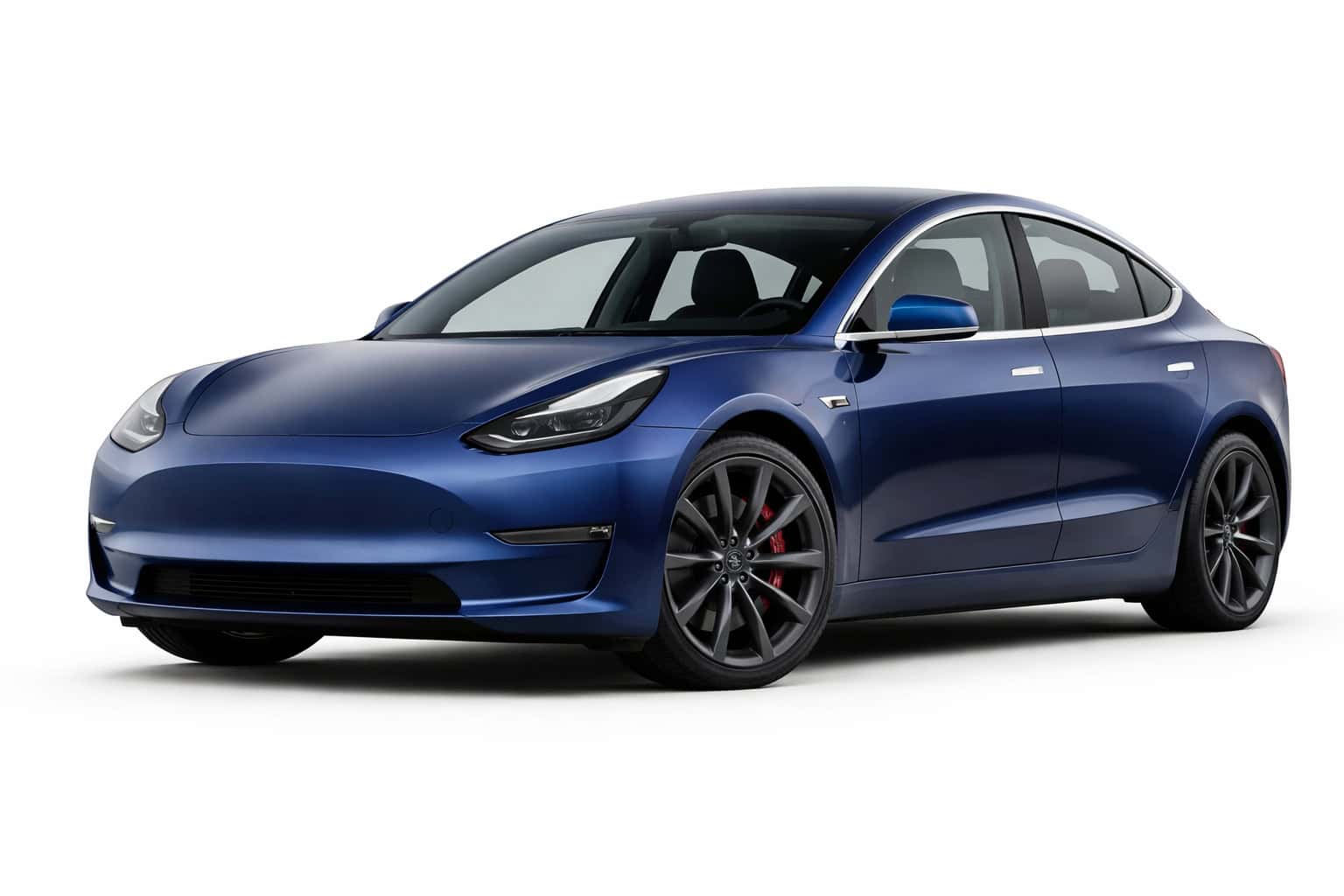
Anyone researching the Tesla Model 3 will quickly notice a pattern. It ranks well for overall dependability in EV ownership data, yet recurring issues still appear across early builds and higher mileage vehicles. Most concerns fall into four consistent areas: battery and charging behavior, electronics, build quality, and suspension wear. Across fleet data and owner reports from 2018 through 2024, failure rates remain relatively low compared to gas vehicles, but repair costs can vary widely depending on whether the issue involves mechanical components or high voltage systems. Understanding where problems actually occur gives a clearer picture than relying on general reliability claims.
Most Common Tesla Model 3 Problems
Patterns become clearer when grouping failures by category rather than isolated complaints. The table below reflects consistent issues seen across multiple model years and mileage ranges.
Problem Category
Description
Avg. Repair Cost
Typical Mileage
Severity
Battery & Charging
Degradation, charging slowdown, heat pump faults
$400–$16,000
60,000–150,000
Medium to High
Electronics
MCU freezing, camera issues, calibration faults
$150–$1,500
30,000–120,000
Medium
Build Quality
Panel gaps, paint wear, glass cracks
$150–$1,800
0–80,000
Low to Medium
Suspension
Control arms, bushings, steering components
$300–$2,500
70,000–200,000
Medium
Battery failures carry the highest potential cost, but they remain statistically rare. Electronics and suspension issues occur more frequently, especially as mileage increases.
Battery and Charging Problems
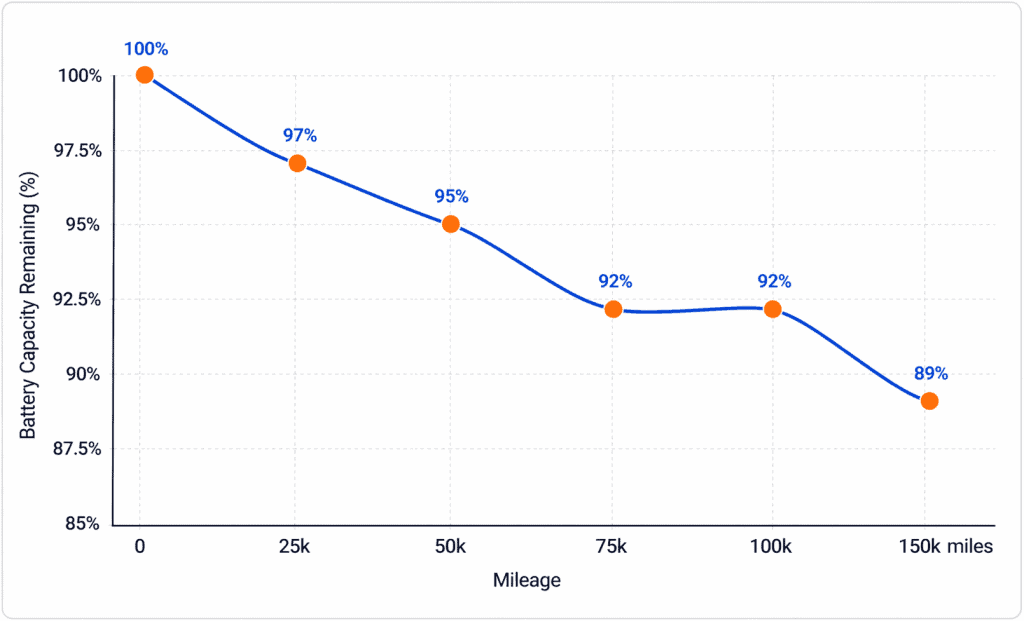
Battery concerns are often overstated, but real world data shows predictable degradation rather than sudden failure. Most vehicles lose around 5% to 10% capacity by 100,000 miles, with degradation slowing after that initial drop. Vehicles used heavily on fast charging networks tend to show slightly faster loss, while moderate charging habits keep degradation closer to the lower end of that range. Cold temperatures introduce another variable. Range drops of 10% to 25% in winter conditions are common, although this is typically temporary and recovers in warmer conditions.
Issue
Frequency
Cost Range
Notes
Battery degradation
Very common (normal behavior)
$0
Stabilizes after early loss
Full battery failure
Rare (<2%)
$12,000–$16,000
Usually outside warranty cases
Charging slowdown
Occasional
$400–$2,000
Often software or module related
Heat pump failure (2021+)
Moderate early reports
$0–$1,500
Mostly resolved through updates
Charging related complaints are more common in early builds, especially 2018 through 2020 vehicles where software updates altered charging speeds.
Electronics and Software Problems
The Model 3 relies heavily on software systems, which explains why this category generates the highest number of owner complaints. Touchscreen freezing remains one of the most reported issues. Symptoms include delayed startup, temporary black screens, and loss of access to climate controls. While many cases resolve with a reboot, hardware replacements still occur in some vehicles.
Issue
Typical Fix Rate
Cost Range
Notes
MCU freezing
70% resolved by reboot
$800–$1,500
Replacement needed in some cases
Autopilot inconsistencies
90% software related
$0–$400
Camera recalibration or replacement
Window calibration issues
High fix success
$150–$350
Often minor adjustments
Door handle faults
Moderate
$200–$350
Wear related over time
For instance, phantom braking events and inconsistent lane behavior are widely reported but rarely tied to mechanical failure. These are typically software calibration limitations rather than hardware defects.
Build Quality and Exterior Issues
Early production years show more variation in assembly consistency, especially between 2018 and 2020. Panel alignment issues appear frequently in inspection reports. Misaligned trunks, uneven gaps, and minor door fitment inconsistencies are common, though they rarely affect functionality.
Model Year
Common Issues
Frequency
Cost Range
2018
Panel gaps, paint defects
High
$300–$1,200
2019
Alignment and trim issues
Moderate
$200–$800
2020
Paint wear, minor gaps
Moderate
$300–$1,000
2021+
Reduced complaints overall
Lower
$150–$600
Paint durability is another recurring topic. Thinner coatings on lower panels lead to chipping, especially in regions with road salt exposure. Glass roof cracking has been documented but remains uncommon, affecting a small percentage of early vehicles.
Suspension and Steering Problems
Suspension wear becomes more noticeable as mileage climbs past typical commuter ranges. Control arm creaking stands out as one of the most widely reported issues. The sound usually appears at low speeds or during turning, often traced to worn bushings or ball joints.
Component
Typical Mileage
Cost Range
Frequency
Front control arms
60,000–120,000
$600–$1,200
High
Rear suspension bushings
80,000–150,000
$300–$900
Moderate
Steering rack
100,000–180,000
$1,500–$2,500
Low
In many cases, rough road conditions accelerate wear, especially in regions with poor pavement or heavy winter use.
Model Years With the Most Problems
Not all Model 3 years perform the same, particularly during early production.
Year
Problem Level
Key Issues
2018
Highest
Build quality, electronics, suspension noise
2019
High
Electronics complaints, minor improvements
2020
Moderate
Paint and alignment issues
2021
Moderate
Early heat pump faults
2022–2023
Lower
Improved consistency
2024
Early data
Fewer reported issues so far
The 2018 model year consistently shows the highest concentration of complaints, while later models reflect improved manufacturing consistency.
Ownership Costs and Long Term Reliability
Ownership costs differ significantly from traditional vehicles due to reduced mechanical maintenance. Annual maintenance typically falls between $300 and $600, largely limited to tire replacement, cabin filters, and brake servicing for corrosion prevention rather than wear. High mileage vehicles between 150,000 and 250,000 miles show predictable wear patterns. Battery degradation stabilizes, but suspension components and electronic modules begin to require replacement more frequently.
High Mileage Failure Patterns
Component
Failure Likelihood
Mileage Range
Control arms
High
80,000–150,000
Door actuators
Moderate
70,000–140,000
HVAC systems
Moderate
90,000–160,000
MCU
Increasing
100,000+
In typical ownership, these patterns are consistent across both private owners and fleet operated vehicles.
Buying Advice: What to Check Before Purchasing
Evaluating a used Model 3 requires a slightly different approach compared to gas vehicles. Physical inspection remains important, but electronic systems and battery condition play a larger role in long term reliability.
Buyer Checklist
Check Area
What to Look For
Why It Matters
Panel alignment
Uneven gaps, trunk fit
Indicates early build issues
Battery health
Range at full charge
Reflects degradation level
Suspension
Creaking or knocking
Common wear point
MCU performance
Lag or freezing
Expensive to replace
Heat pump (2021+)
Weak heating
Known issue in cold climates
For instance, combining inspection findings with tools like the repair cost estimator helps determine whether a lower purchase price offsets potential repairs.
Battery Degradation vs Mileage
Battery performance follows a gradual curve rather than sudden drops.
Estimated Degradation Pattern
Mileage
Capacity Retained
0 miles
100%
25,000 miles
95–97%
50,000 miles
92–95%
100,000 miles
90–95%
150,000 miles
88–93%
The steepest decline occurs early, followed by a slower, more stable rate over time.
Tesla Model 3 Problems FAQ
Yes. Long term data shows predictable wear patterns, mostly related to suspension and electronics rather than major drivetrain failures.
Most batteries are expected to last between 300,000 and 500,000 miles with gradual degradation.
Control arm noise and electronic glitches are reported most frequently.
Routine maintenance is low, but electronic and battery related repairs can be expensive outside warranty.
2018 models show the highest rate of build quality and electronics related issues.
Yes. Range reduction, slower charging, and heat pump issues can occur in lower temperatures.
Conclusion
The Tesla Model 3 avoids many of the mechanical issues seen in gas sedans, but it still shows consistent wear patterns in suspension and electronics, especially in early builds. Battery performance remains stable, with most cars staying within a 5% to 10% loss by 100,000 miles. If you want the safest buy, focus on 2021 or newer models, where build quality and system reliability improved. Approach 2018 and 2019 models more carefully, as they show higher rates of alignment and electronic issues. With a proper inspection, the Model 3 delivers low annual costs around $300 to $600 and solid long term durability.
This platform analyzes depreciation trends, resale value behavior, and long-term ownership costs, helping drivers understand how mileage, maintenance, and timing shape real financial outcomes.