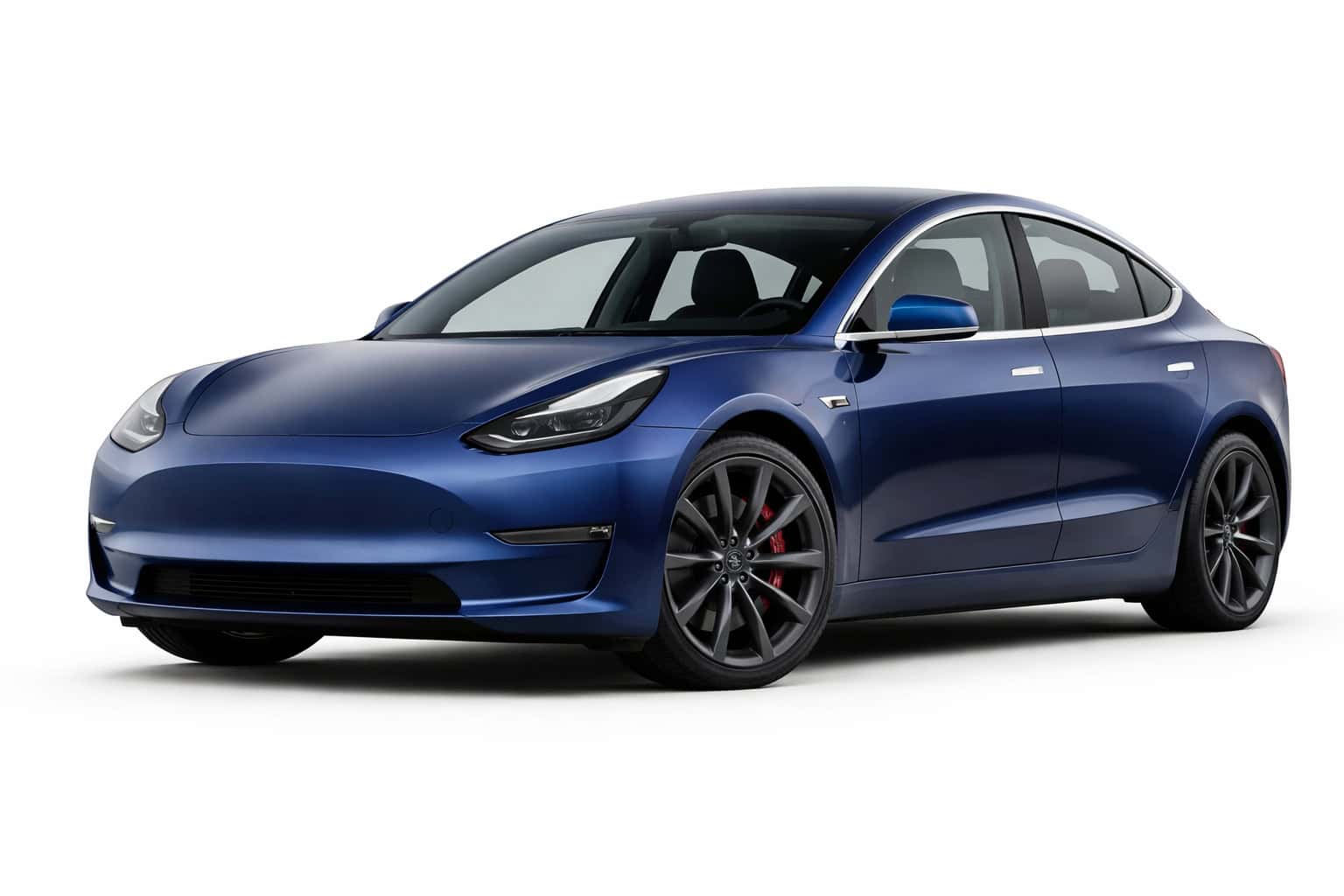
Owning a Tesla Model 3 changes what “maintenance” looks like, but it does not eliminate it. Electric drivetrains remove oil changes and many moving parts, yet the vehicle still depends on consistent servicing to stay reliable. The difference is where the wear happens. It shifts from engine internals to tires, suspension, braking systems, and thermal management. Vehicles that follow recommended service intervals show up to 20% fewer component related issues beyond 100000 miles. Ignoring inspection items does not create immediate failure, but it allows small issues to build until they affect performance or safety. Owners tracking long term costs can use the maintenance cost calculator to understand how reduced service items still translate into measurable ownership expenses.
Tesla Model 3 Maintenance Overview
The Model 3 runs on an electric drivetrain, which removes many traditional maintenance tasks but introduces new priorities. Battery temperature control, brake system condition, and suspension durability become the main focus areas. This setup is simpler in some ways, but not maintenance free. Weight plays a major role here. The battery pack increases overall vehicle mass, which accelerates tire wear and adds stress to suspension components. Electrical and equipment related issues also appear more frequently than mechanical failures. Vehicles that receive regular inspections tend to maintain smooth operation beyond 120000 miles, while neglected ones often show uneven tire wear and suspension degradation much earlier.
Maintenance Schedule
Service timing for the Model 3 is less about engine wear and more about component stress and environmental exposure. Mileage still matters, but time based intervals play a larger role compared to gasoline vehicles.
Service Item
Recommended Interval
Notes
Cabin Air Filter
Every 2 years
Maintains HVAC airflow and air quality
Brake Fluid
Every 2 years
Moisture affects braking performance
Tire Rotation
Every 6000 to 8000 miles
Ensures even wear on EV loaded tires
Coolant Battery System
100000 miles
Maintains battery temperature stability
HEPA Filter
Every 3 years
Required for proper filtration
Drive Unit Inspection
Every 100000 miles
Check for noise or vibration
Suspension and Steering Inspection
Every 12500 miles
EV weight increases stress
Brake Caliper Service Cold Climates
Every 12 months
Prevents corrosion and sticking
Wiper Blades
Every 12 months
Maintains visibility
High Voltage System Check
As needed
Performed during major service visits
Following this schedule keeps wear predictable and reduces the chance of unexpected component failures. Owners comparing long term impact can use the ownership cost calculator to evaluate how EV maintenance differs from traditional vehicles.
Fluids & Capacities
Even without engine oil, fluids still play a critical role in the Model 3. Brake fluid and coolant systems remain essential for safety and battery performance. Ignoring them creates problems that are less visible but just as expensive. Brake fluid absorbs moisture over time, which reduces braking efficiency. The battery cooling system relies on stable coolant performance to manage temperature under load and charging conditions. Drivers can estimate potential repair costs from neglected service using the repair cost estimator.
Component
Specification
Capacity
Brake Fluid
DOT 3 or DOT 4
1.0 quart system capacity
Coolant Battery System
G48 or equivalent
8.0 to 10.0 quarts
Windshield Washer Fluid
Standard washer fluid
As needed
Gearbox Lubricant
Factory filled
Not routinely replaced
Maintaining these fluids supports consistent performance and helps prevent long term degradation. Ignoring them will not cause instant failure, but it will quietly reduce system efficiency until repairs become unavoidable.
Maintenance Related Recall Patterns
Recall trends for the Model 3 follow a different pattern compared to gasoline vehicles. Most issues are tied to electrical systems and equipment components rather than drivetrain failures. Airbag systems represent another portion of safety related recalls.
Recall Category
Estimated Share
Electrical Components
45%
Equipment Related Items
30%
Airbag Systems
25%
This distribution highlights the importance of staying current with recall campaigns. Owners can verify open recalls through official sources such as NHTSA to ensure all safety systems remain compliant. Ignoring recall updates is one of the few ways to overlook a known issue that already has a defined fix.
Inspection Checklist
Wear patterns on the Model 3 develop differently compared to traditional vehicles. Tire and suspension wear happen faster due to weight, while braking components may last longer but still require periodic checks. Brake inspections every 10000 to 12500 miles help prevent uneven wear and maintain stopping performance. Suspension components such as control arms and bushings often show wear between 50000 and 80000 miles depending on road conditions and driving style.
Brake pads, rotors, and hydraulic lines
Suspension bushings, ball joints, and control arms
Steering components and tie rods
Battery cooling hoses and connectors
High voltage cabling and insulation
Tire tread depth and wear pattern
Drive unit noise or vibration
Fluid leaks across cooling and brake systems
Consistent inspections reduce unexpected failures and help maintain predictable maintenance costs across long term ownership.
Fuel & Emissions Considerations
The Model 3 does not use fuel, but efficiency still depends on system balance. Battery temperature control, braking performance, and airflow through the HVAC system all affect energy consumption and range. Maintaining clean cabin filters and proper cooling system function helps preserve efficiency over time. Reduced airflow or unstable battery temperatures can lower driving range by 5% to 10% under certain conditions. Drivers can track efficiency changes using the fuel calculator to understand how maintenance consistency affects energy usage. Battery performance declines gradually when thermal management is ignored. Keeping cooling systems in proper condition helps maintain range stability and prevents long term degradation.
Tesla Model 3 Maintenance Schedule & Service FAQ
Most components require inspection every 12500 miles or 1 to 2 years depending on usage. Time based service intervals matter more than mileage for certain systems.
Yes. Brake fluid and battery cooling system coolant require periodic service. These fluids play a direct role in safety and thermal stability.
Routine maintenance costs are lower than gasoline vehicles. Annual costs typically range between $300 and $700, but tire and suspension wear can increase expenses over time.
Brake fluid condition directly affects braking performance. Moisture buildup reduces effectiveness and should be addressed every 2 years.
Yes. Recall items may not be routine maintenance tasks, but they directly affect how systems operate. Electrical or equipment-related recalls can impact safety features, software behavior, or component reliability, so completing them helps ensure proper operation.
Conclusion
The Tesla Model 3 performs best when maintenance focuses on inspection and system balance rather than traditional engine service. Its electric drivetrain, cooling systems, and safety components still depend on consistent attention. Vehicles that follow recommended intervals maintain stable performance and fewer component failures beyond 100000 miles. Proper servicing supports long term reliability and keeps performance consistent across daily driving conditions.
This platform analyzes depreciation trends, resale value behavior, and long-term ownership costs, helping drivers understand how mileage, maintenance, and timing shape real financial outcomes.