


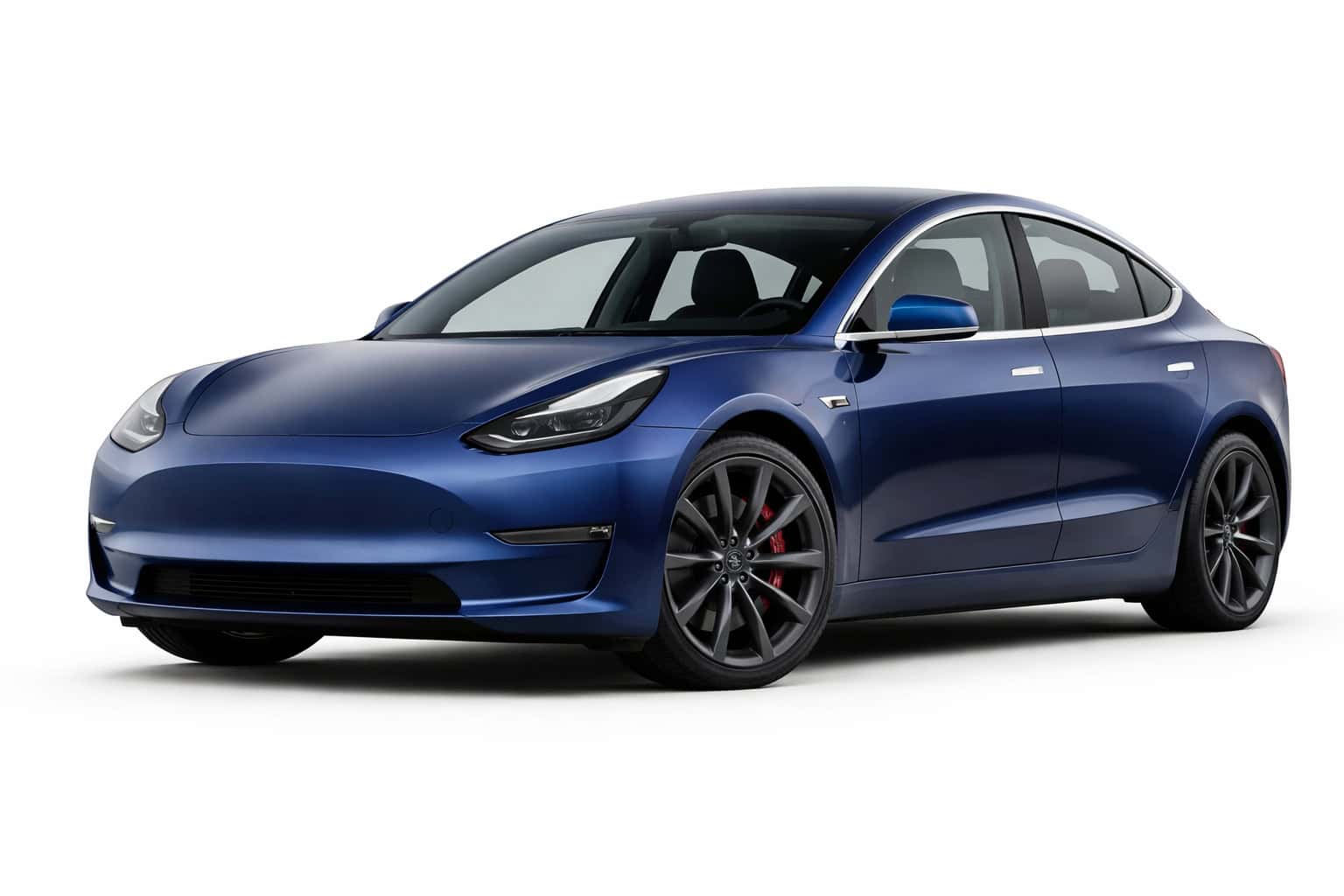
Electric vehicles changed the automotive market faster than many buyers expected. A few years ago, EVs still felt experimental to some shoppers. Today, vehicles like the Tesla Model 3 became common daily drivers in cities, suburbs, and even long distance commuting routes across North America. The Model 3 attracted attention because it combined strong acceleration, advanced software features, long driving range, and lower fuel costs in a relatively affordable package compared to earlier electric vehicles. Demand surged quickly during certain production years, especially when fuel prices increased and EV incentives expanded.
Depreciation works differently on EVs though. Battery technology evolves rapidly. Software updates change vehicle behavior over time. Government incentives affect used pricing. Charging infrastructure expands constantly. All of those factors create unusual resale patterns compared to traditional gasoline sedans. Understanding Tesla Model 3 depreciation helps buyers avoid overpaying and helps owners protect long term resale value more effectively.
Why Tesla Model 3 Depreciation Matters
Many EV buyers focus heavily on charging costs and tax incentives during the purchasing process. Depreciation usually becomes the largest ownership expense later.
A Model 3 losing value quickly can affect:
| Ownership Factor | Why It Matters |
|---|---|
| Trade in value | Lower depreciation improves upgrade flexibility |
| Loan equity | Faster depreciation increases negative equity risk |
| Insurance payouts | Vehicle value affects claim settlements |
| Ownership cost | Value loss becomes a major long term expense |
| Used EV demand | Market demand affects resale pricing |
Electric vehicles sometimes experience sharper depreciation swings than gasoline vehicles because technology changes quickly. Improvements involving battery efficiency, charging speed, range estimates, and software features can make older EVs feel outdated faster.
Tesla pricing adjustments also affect resale value directly. When Tesla lowers new vehicle pricing, used Model 3 values often shift downward shortly afterward. That creates a market environment where resale pricing can move more aggressively than many traditional sedans. At the same time, the Model 3 maintains strong brand recognition and broad EV demand, which helps support resale interest compared to some lesser known electric vehicles.
Average Tesla Model 3 Depreciation Rates
Most Tesla Model 3 vehicles experience their steepest depreciation during the first 3 to 5 years. That early drop became especially noticeable during periods when Tesla reduced new vehicle prices or EV incentives changed. Depreciation eventually slows as the vehicle enters the broader used EV market.
| Vehicle Age | Estimated Value Retained | Common Market Pattern |
|---|---|---|
| 1 year | 78%–86% | Initial depreciation begins |
| 3 years | 58%–72% | EV market volatility affects pricing |
| 5 years | 45%–60% | Battery health becomes more important |
| 8 years | 30%–45% | Long term battery concerns grow |
| 10+ years | 18%–35% | Charging technology and range age heavily affect value |
Several outside factors can influence Model 3 resale pricing significantly:
- EV tax incentive changes
- Tesla price cuts
- battery warranty coverage
- charging network expansion
- fuel prices
- software feature updates
- battery replacement concerns

Minimalist Tesla Model 3 depreciation curve chart showing estimated vehicle value retention from Year 0 through Year 10 for long term EV ownership analysis.
Used EV markets can behave unpredictably. One month buyers worry about battery degradation. The next month gas prices spike and suddenly everyone starts searching for charging station maps at midnight.
What Affects Tesla Model 3 Resale Value?
Several ownership factors influence Tesla Model 3 depreciation more heavily than others.
| Factor | Impact on Resale Value |
|---|---|
| Battery Health | Strong battery condition improves buyer confidence |
| Mileage | Higher mileage increases battery wear concerns |
| Charging Habits | Frequent fast charging may affect long term battery health |
| Software Features | Newer hardware revisions maintain stronger demand |
| Accident History | EV structural repairs can become expensive |
| Climate Exposure | Extreme heat and cold affect battery performance |
| Warranty Coverage | Remaining battery warranty improves resale appeal |
| Trim Level | Long Range and Performance trims attract stronger demand |
Unlike traditional vehicles, EV buyers pay extremely close attention to battery condition and software capability. Many used Model 3 shoppers specifically inspect:
- battery range estimates
- charging speed behavior
- touchscreen responsiveness
- software version compatibility
- suspension condition
- panel alignment
- tire wear
- accident history
Tesla buyers also tend to research production years heavily because Tesla frequently updates hardware and software without major exterior redesigns.
Which Tesla Model 3 Trims Hold Value Best?
Not every Tesla Model 3 trim depreciates equally.
| Tesla Model 3 Trim | Typical Resale Behavior |
|---|---|
| Standard Range | Lower purchase pricing supports broader buyer pool |
| Long Range AWD | Strong balance between range and practicality |
| Performance | Enthusiast demand improves resale appeal |
| Rear Wheel Drive | Simpler configuration supports affordability |
| Highland Refresh Models | Updated styling and cabin improve market interest |
Long Range AWD trims often maintain strong resale demand because many buyers prioritize range, winter usability, and charging flexibility together.

Minimalist Tesla Model 3 trim comparison graphic showing Rear Wheel Drive, Long Range AWD, and Performance variants with simplified EV ownership positioning.
Performance trims also attract consistent enthusiast interest because of their acceleration capability. Some owners purchase them purely because launching from traffic lights feels entertaining enough to temporarily ignore tire replacement costs. Base trims usually depreciate more predictably because they compete more directly on affordability inside the used EV market.
How Mileage Affects Depreciation
Mileage still affects Tesla Model 3 pricing heavily, even though EVs eliminate many traditional engine related wear concerns.
| Mileage Range | Typical Market Effect |
|---|---|
| Under 50,000 miles | Strongest buyer demand |
| 50,000–100,000 miles | Average depreciation range |
| 100,000–150,000 miles | Battery concerns increase |
| Over 200,000 miles | Smaller used buyer pool |
Higher mileage does not automatically mean a Model 3 is unreliable. Many Tesla owners report substantial long term durability with relatively low routine maintenance requirements. The concern usually shifts toward:
- battery degradation
- suspension wear
- charging performance
- warranty expiration
- touchscreen hardware reliability
- repair availability
Battery replacement fears still influence buyer psychology heavily, even though many Tesla battery packs continue functioning well beyond 150,000 miles. Drivers researching long term EV ownership expenses may also find the Ownership Cost Calculator and Depreciation Calculator useful for broader financial planning.
Battery Degradation and Long Term Value
Battery health remains one of the most important resale factors for any used EV. Most Tesla Model 3 batteries lose some range gradually over time. Moderate degradation is expected and usually does not create major usability problems during normal ownership. Estimated average battery degradation patterns:
| Mileage | Typical Estimated Battery Retention |
|---|---|
| 50,000 miles | 92%–96% |
| 100,000 miles | 85%–92% |
| 150,000 miles | 80%–88% |
| 200,000+ miles | 70%–85% |
Several factors influence battery longevity:
- charging habits
- climate conditions
- frequent fast charging use
- storage temperatures
- driving behavior

Minimalist Tesla Model 3 battery health and range degradation chart showing estimated long term battery capacity retention throughout EV ownership.
Extreme heat and repeated high speed charging sessions can accelerate long term battery wear. Cold weather also reduces temporary driving range noticeably during winter months. Battery replacement costs still concern many used EV buyers because repairs can become expensive once warranty coverage expires.
Charging Infrastructure and Depreciation
Charging access plays a surprisingly large role in Tesla resale demand. Vehicles located in regions with strong charging infrastructure often maintain better buyer interest because ownership feels easier and more practical. Important charging related resale factors include:
- Tesla Supercharger availability
- home charging access
- charging speed compatibility
- regional EV adoption rates
- apartment charging availability
Urban markets with strong EV infrastructure generally support stronger used Tesla demand than regions with limited charging networks. Tesla still benefits from one of the largest charging ecosystems available, which helps support long term usability compared to some competing EV brands.
How Tesla Model 3 Depreciation Compares to Other EVs
The Model 3 competes aggressively against both gasoline sedans and newer EV platforms.
| Vehicle Model | Typical 5 Year Value Retained |
|---|---|
| Tesla Model 3 | 45%–60% |
| Hyundai Ioniq 5 | 42%–55% |
| Polestar 2 | 35%–50% |
| Chevrolet Bolt EV | 32%–48% |
| BMW i4 | 45%–58% |
The Model 3 benefits from several resale advantages:
- strong charging infrastructure
- broad EV recognition
- software ecosystem familiarity
- strong acceleration reputation
- large used buyer market
According to Kelley Blue Book and Canadian Black Book market trends, well maintained Model 3 vehicles with healthy battery performance and clean ownership history generally maintain stronger resale value than many competing EVs with weaker charging ecosystems.
What to Check Before Buying a Used Tesla Model 3
Used EV inspections differ noticeably from traditional gasoline vehicle inspections.
| Inspection Area | Why It Matters |
|---|---|
| Battery Health | Degradation affects long term usability |
| Charging Performance | Slow charging may indicate battery concerns |
| Suspension Wear | Heavier EV weight increases stress |
| Touchscreen Operation | Central interface controls major vehicle functions |
| Accident History | EV structural repairs can become expensive |
| Tire Condition | Instant torque accelerates tire wear |
Buyers also commonly inspect:
- panel gaps
- paint condition
- software responsiveness
- climate control operation
- range estimates
- underbody damage
Battery condition usually matters more than cosmetic appearance alone. A clean looking Model 3 with questionable charging performance often creates more concern than minor cosmetic wear.
Ways to Slow Tesla Model 3 Depreciation
Several ownership habits can help reduce long term depreciation:
- Avoid excessive fast charging when possible
- Keep software updated regularly
- Protect battery health during storage
- Repair cosmetic damage early
- Maintain detailed service records
- Use proper tire rotations
- Protect the interior from excessive heat exposure
- Address suspension problems quickly
EV buyers inspect ownership quality closely because battery condition affects long term usability more heavily than traditional engine wear patterns. Heavy cosmetic modifications can also narrow the buyer pool significantly. Bright neon wraps and oversized aftermarket wheels may attract attention online, although resale buyers often prefer cleaner factory style setups later. Owners estimating future repair exposure can also explore the Repair Cost Estimator and Maintenance Cost Calculator for broader long term planning.
Best Time to Buy a Used Tesla Model 3
Many buyers target Tesla Model 3 vehicles between 3 and 5 years old because the steepest depreciation often already occurred during that period. This age range usually provides:
- lower purchase pricing
- strong remaining battery life
- modern technology features
- remaining warranty coverage on some models
- better overall value balance
Used buyers often benefit most after major Tesla price reductions affect the market because resale values usually adjust afterward. Seasonal fuel prices can also influence EV demand. Rising gas prices often increase used EV interest quickly, while lower fuel costs sometimes soften short term demand.
Tesla Model 3 Depreciation FAQ
Most Tesla Model 3 vehicles lose value fastest during the first 3 to 5 years of ownership. On average, many models retain about 58%–72% of their value after 3 years and roughly 45%–60% after 5 years depending on mileage, battery health, trim level, and market conditions. Tesla price cuts can also accelerate depreciation because used prices often adjust shortly afterward. Battery condition and software generation play a much larger role in EV depreciation than they do in traditional gasoline vehicles.
Yes, the Tesla Model 3 generally holds its value better than many competing EVs because of strong brand recognition, widespread charging infrastructure, software support, and broad buyer demand. Models with healthy battery performance and clean ownership history often maintain stronger resale pricing than many rival EVs from smaller or newer electric brands. Vehicles like the Polestar 2 and Chevrolet Bolt usually depreciate faster, while some newer competitors such as the Hyundai Ioniq 5 and BMW i4 remain more competitive in resale retention.
Many used buyers begin paying much closer attention once a Tesla Model 3 exceeds 100,000 miles. That mileage range often increases concerns involving battery degradation, suspension wear, warranty expiration, and charging performance. Resale value usually drops more noticeably beyond 150,000 miles because the used buyer pool becomes smaller and long term battery replacement fears grow stronger. Lower mileage examples consistently attract stronger resale demand in the EV market.
Most Tesla Model 3 battery packs are expected to last well beyond 150,000 to 200,000 miles under normal ownership conditions. Moderate battery degradation is considered normal and usually does not create major daily driving problems during early ownership years. Resale value begins getting affected more heavily once buyers notice reduced driving range, slower charging performance, or expired battery warranty coverage. Battery health reports and real world range estimates become increasingly important as vehicles age.
The Long Range AWD trim usually holds value the best because it balances driving range, performance, winter usability, and daily practicality better than most other configurations. Performance trims also maintain strong enthusiast demand because of their acceleration capability and upgraded hardware. Standard Range models generally depreciate more predictably because they compete more heavily on affordability inside the used EV market.
Yes, the Tesla Model 3 can be a strong long term ownership vehicle for many buyers, especially drivers wanting lower fuel costs, fewer routine maintenance requirements, and modern technology features. Long term ownership success depends heavily on battery health, charging habits, software support, and repair accessibility. While depreciation and battery concerns still affect resale value, many owners report strong durability and relatively low routine servicing costs compared to traditional gasoline vehicles.
Conclusion
The Tesla Model 3 changed the EV market by combining strong performance, advanced technology, and practical daily usability in a relatively accessible package. Its depreciation behavior differs from traditional gasoline vehicles because battery technology, software updates, charging infrastructure, and manufacturer pricing changes all influence resale value heavily. Battery health, mileage, warranty coverage, and charging access remain some of the biggest long term resale factors. Owners who maintain battery health carefully and keep the vehicle in strong condition usually protect resale value more effectively over time. For many buyers, used Model 3 vehicles between 3 and 5 years old often provide the best balance between modern EV technology and reduced depreciation exposure.


