





Step‑by‑step guide: Replacing disc brake pads

Step‑by‑step guide: Replacing disc brake pads

January 27, 2026
0 Comments

1. Before you start

1.1 Safety disclaimer

  • Your responsibility: Brakes are a primary safety system. If anything feels unclear or beyond your comfort level, stop and have a qualified technician do the work.
  • Vehicle‑specific data: Always follow your vehicle’s factory service manual for torque specs, special procedures, and any model‑specific steps.

1.2 Tools and materia

Hand tools:

  • 🛠︎ Socket set & ratchet — Used for caliper and caliper bracket bolts
  • 🔧 Combination wrenches — Sometimes required for slide pins or hose bracket fasteners
  • ⏱︎ Torque wrench — Ensures all fasteners are tightened to factory specification
  • Flat screwdriver or small pry bar — Used carefully to reposition the caliper if necessary
  • Brake-Specific Tools
  • ↩︎ C-clamp or caliper piston tool — Compresses the caliper piston during pad installation
  • Wire brush — Removes rust from brackets and pad contact areas
  • 🧴 Brake cleaner spray — Cleans rotors, calipers, and hardware without residue
  • Optional: New rotors — Replace if warped, heavily worn, or below minimum thickness
  • Support & Safety Equipment
  • ⬆︎ Floor jack — Properly rated for your vehicle’s weight
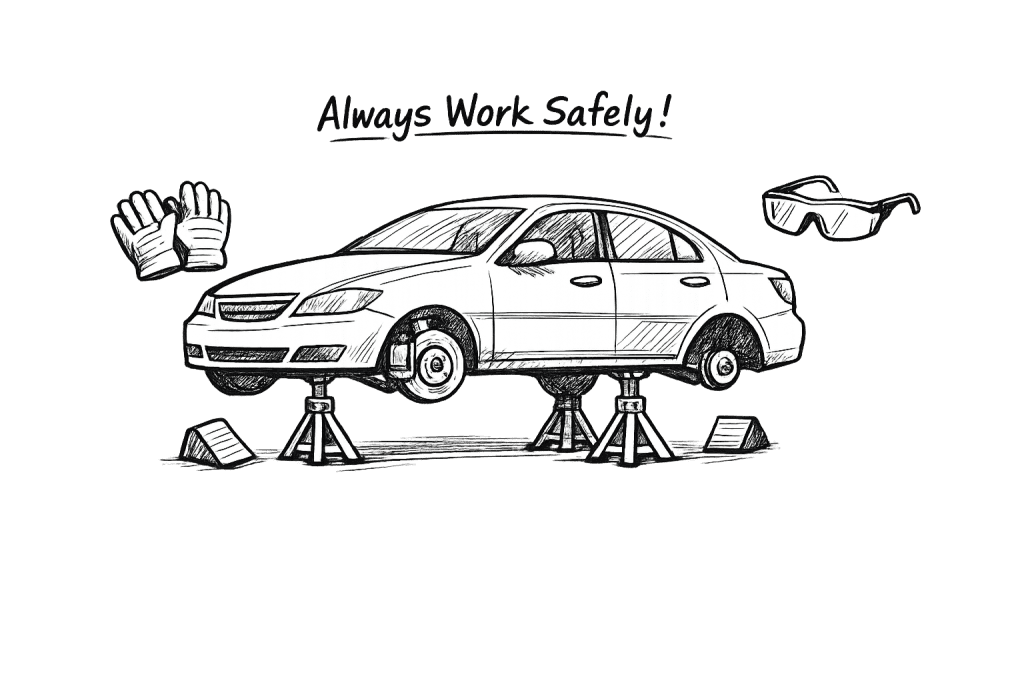
  • Jack stands — Never rely on a hydraulic jack alone
  • Wheel chocks — Prevent vehicle movement during service
  • 🧤 Nitrile gloves — Protect hands from brake dust and chemicals
  • 👓 Safety glasses — Protect eyes during disassembly and cleaning
  • Parts & Consumables
  • New brake pads — Correct fitment for your vehicle and axle (front or rear)
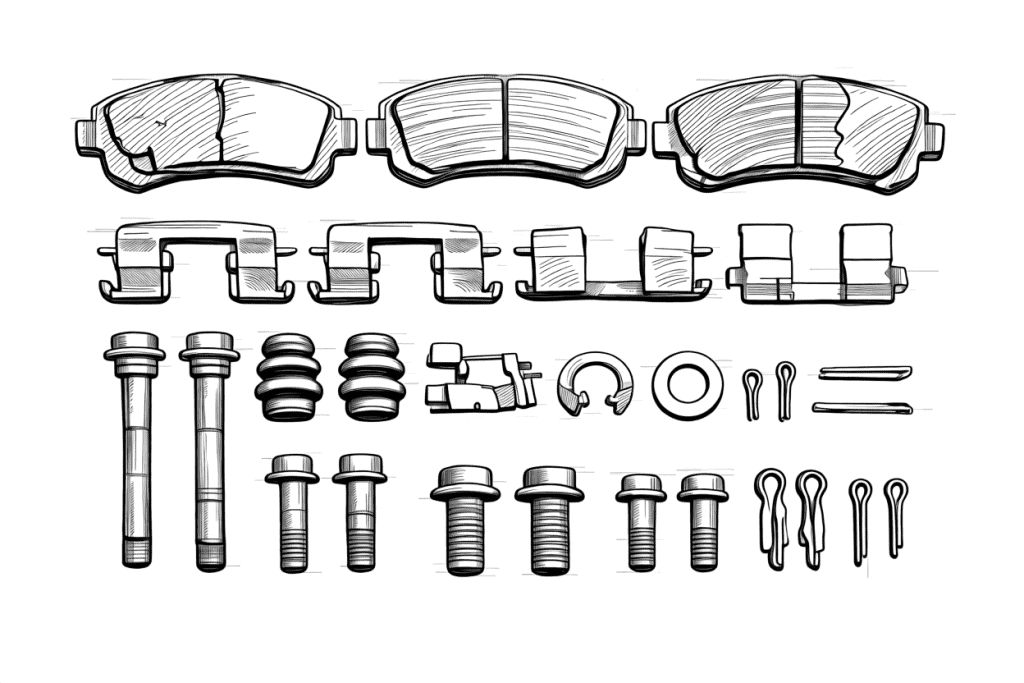
  • Brake hardware kit — Includes pad clips, shims, and anti-rattle springs (highly recommended)
  • ⚙︎ High-temperature brake grease — Apply only to slide pins and pad contact points; never to friction surfaces
  • Optional: New rotors — Replace if warped, heavily worn, or below minimum thickness

Preparation and vehicle setup

3.1 Confirm the pads need replacement

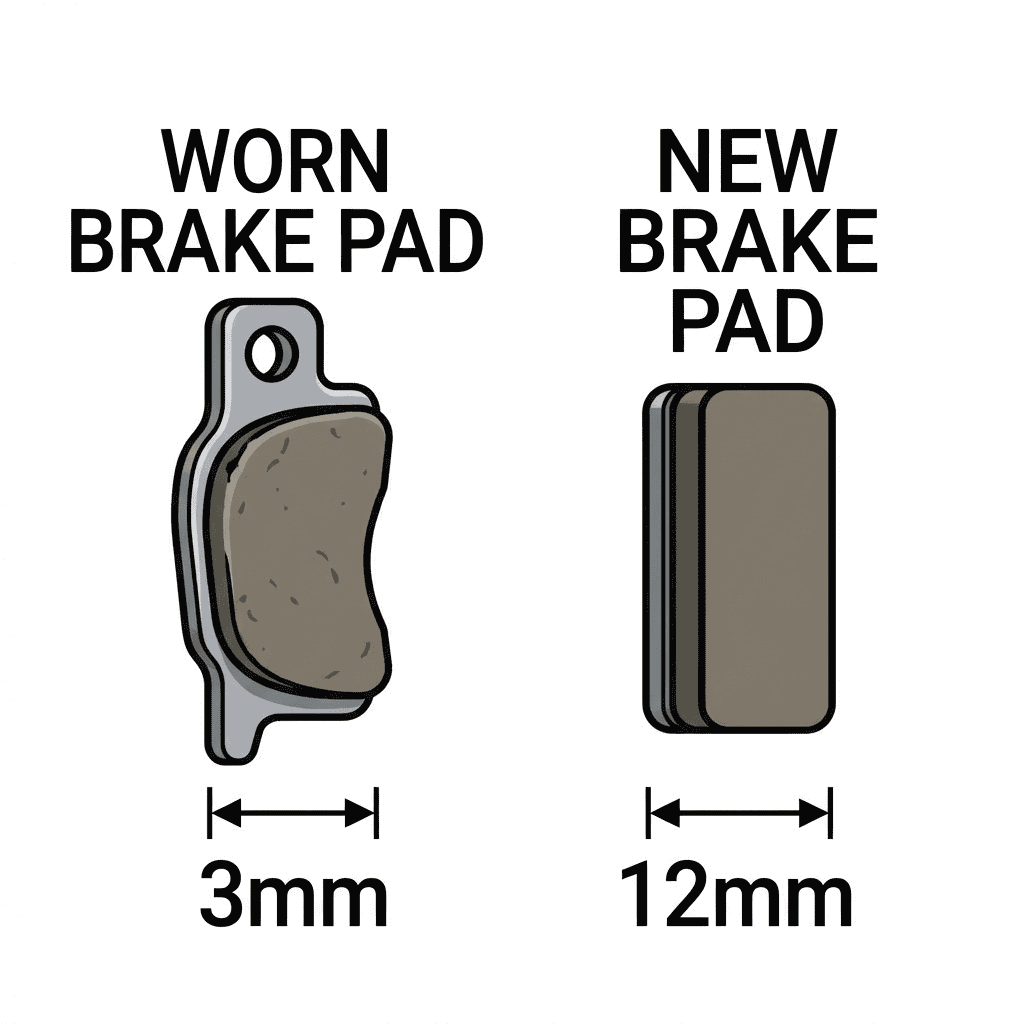
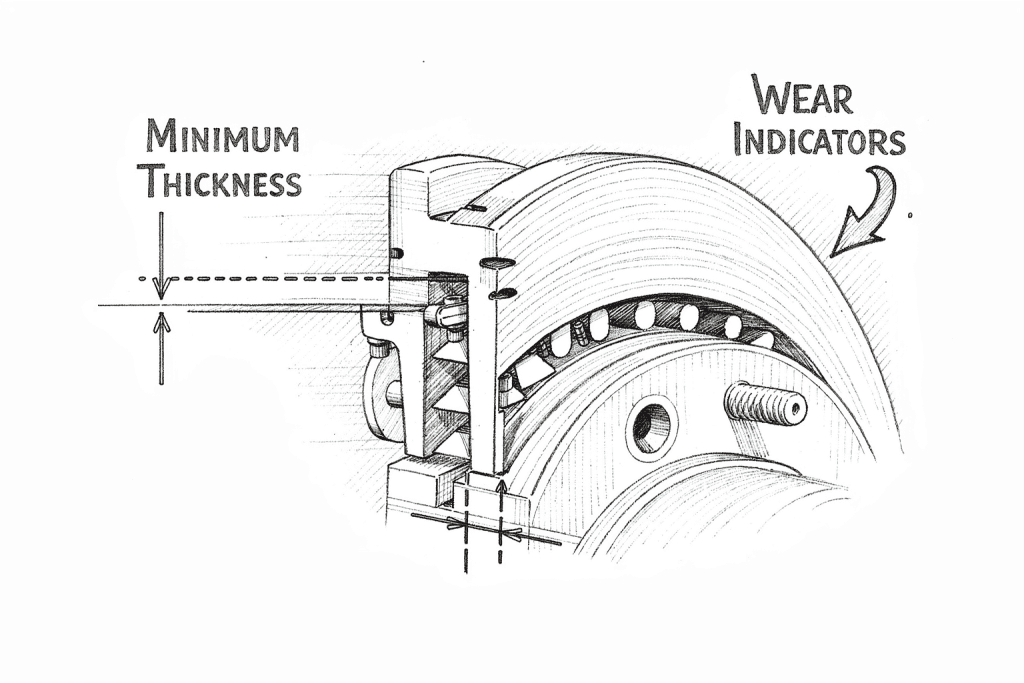
  • Visual check: Look through the wheel or remove it to see pad thickness. If friction material is around the thickness of the backing plate or less (often near or under 3–4 mm), it’s time to replace.
  • Warning signs: Squealing, grinding, longer stopping distances, or a brake warning light.

3.2 Secure the vehicle

Park on level ground.

Set parking brake (unless you’re working on rear brakes that use the parking brake—then follow the manual).

Place wheel chocks on the opposite axle (front wheels chocked if working on rear, and vice versa).

3.3 Loosen wheel lug nuts

Break loose (do not remove) lug nuts on the wheel you’re working on while the vehicle is still on the ground.

Use a lug wrench or breaker bar; loosen each nut about a quarter turn.

3.4 Lift and support the vehicle

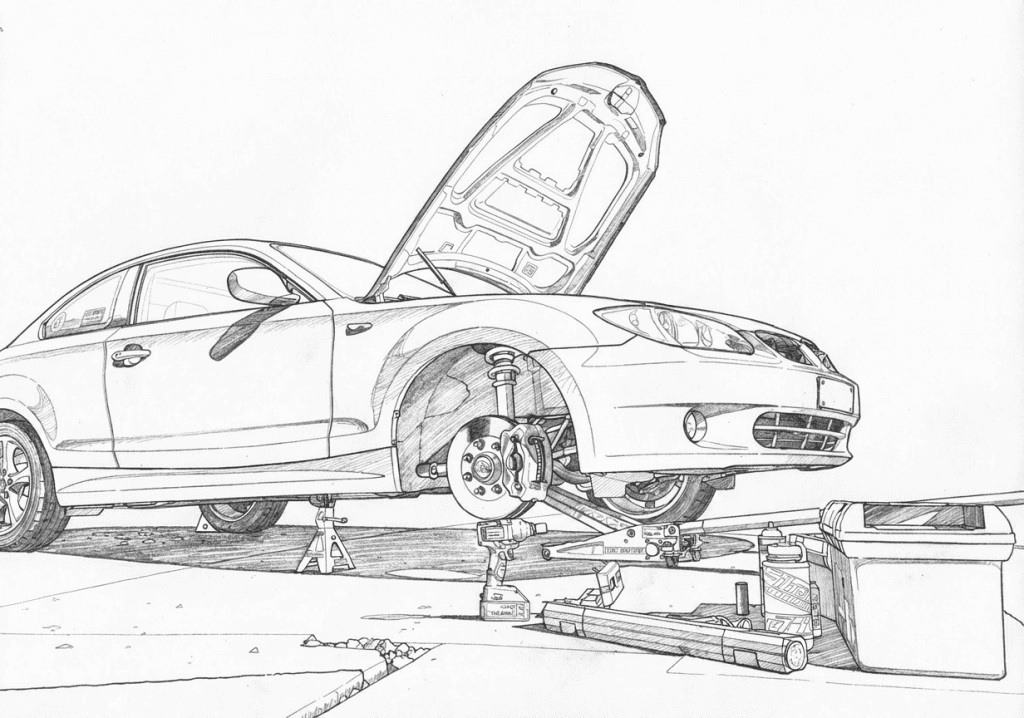
  • Position the floor jack at the recommended jacking point (see owner’s manual).
  • Raise the vehicle until the wheel is off the ground.
  • Place jack stands under the recommended support points.
  • Lower the vehicle onto the stands and gently rock the car to confirm stability.
  • Remove the wheel completely.

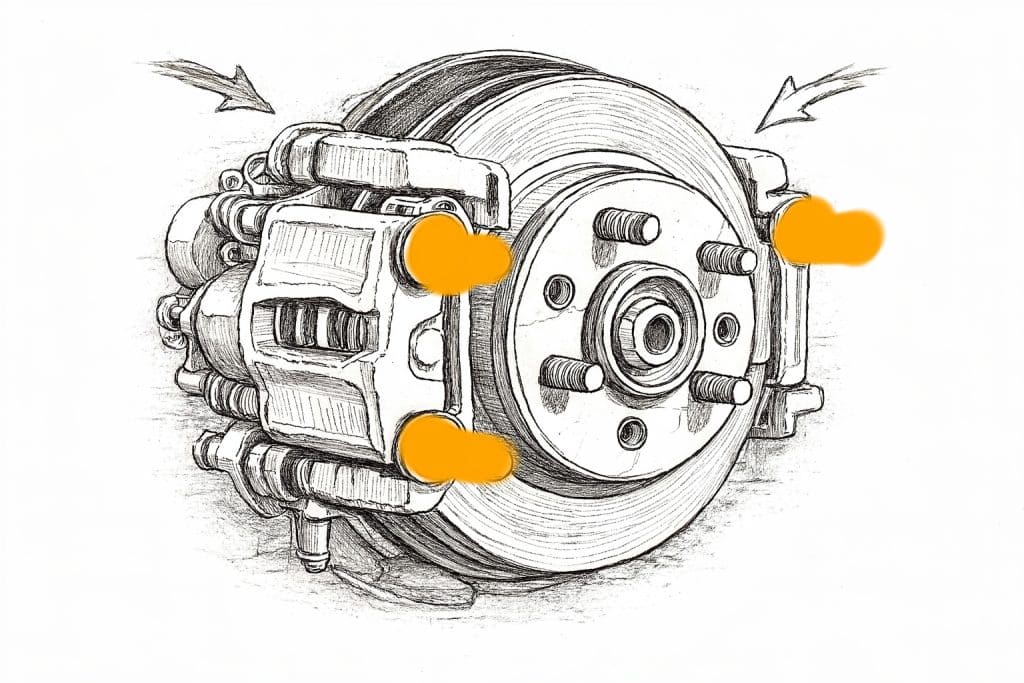
Rear view of the brake assembly with slide pin bolts highlighted

Removing the old brake pads

4.1 Access the caliper

  • Turn the steering wheel (for front brakes) to give better access to the caliper.
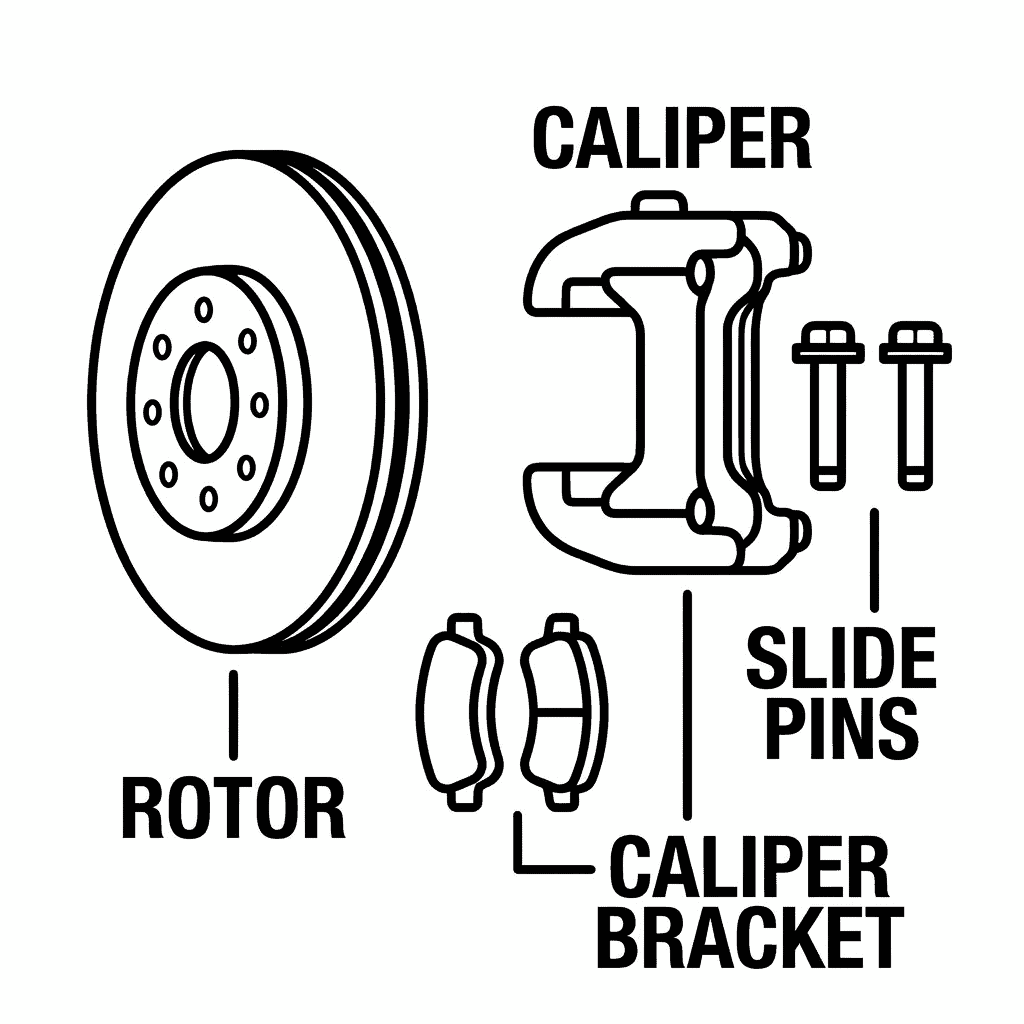
  • Locate the caliper slide pin bolts (usually on the back side of the caliper).
  • Remove the slide pin bolts with the appropriate socket or wrench.

4.2 Remove the caliper

  • Carefully lift the caliper off the rotor. If it’s stuck, gently pry with a flat screwdriver at the pad edge—avoid damaging the rubber boots.
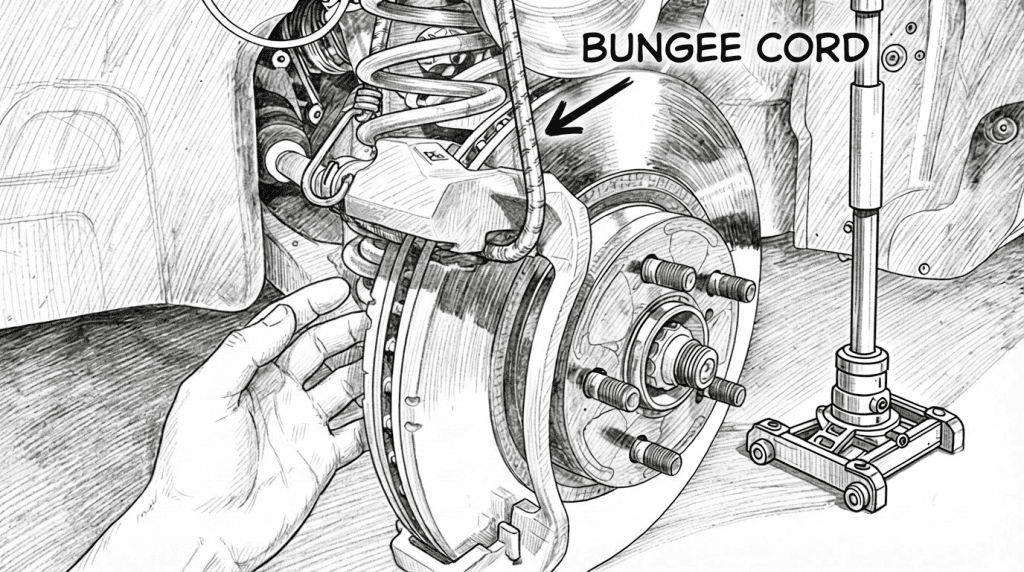
  • Support the caliper with a hook, bungee cord, or wire from the suspension spring.
  • Do not let it hang by the brake hose.

4.3 Remove the old pads and hardware

  • Slide out the inner and outer pads from the caliper bracket.
  • Remove any pad retaining clips or shims from the bracket.
  • Note the orientation and position of all hardware for reference.

Inspecting and preparing components

5.1 Inspect the rotor

  • Check surface: Look for deep grooves, cracks, heavy rust, or blue discoloration (overheating).
  • Check thickness: Compare to the minimum thickness stamped on the rotor or listed in the service manual. If below spec or badly worn, replace or have it machined (if allowed).

5.2 Clean the caliper bracket and contact points

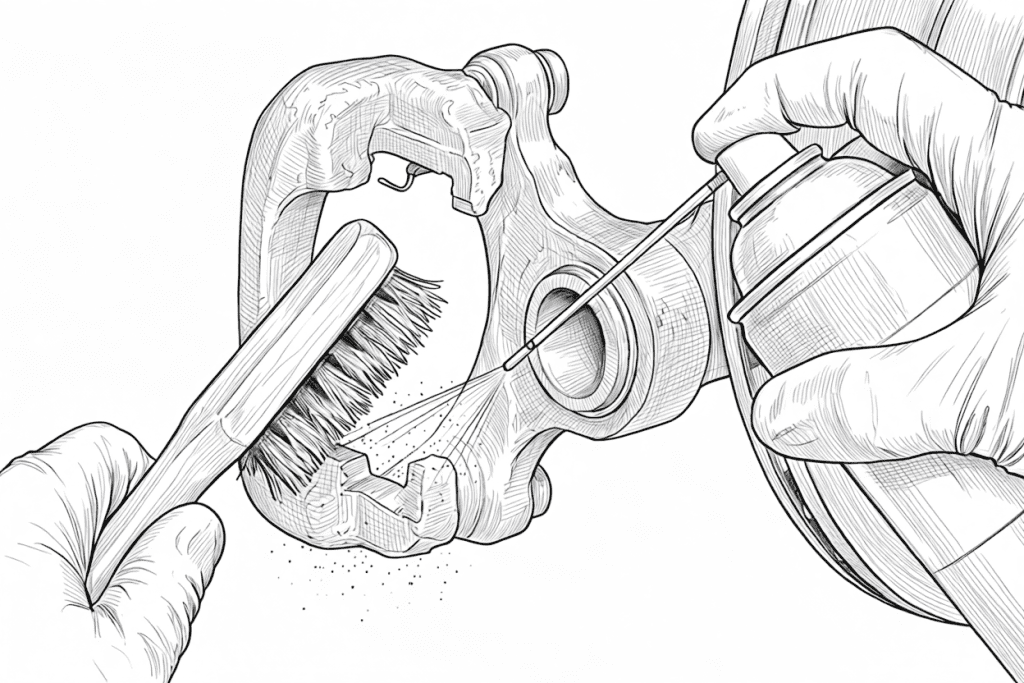
  • Use a wire brush to clean rust and debris from the pad contact areas on the bracket.
  • Spray brake cleaner on the bracket and rotor, letting it drip onto a catch pan or cardboard.
  • Wipe with a clean, lint‑free rag.

5.3 Inspect and lubricate slide pins

  • Carefully pull out the slide pins (if removable) from the caliper bracket.
  • Inspect for corrosion, pitting, or torn rubber boots.
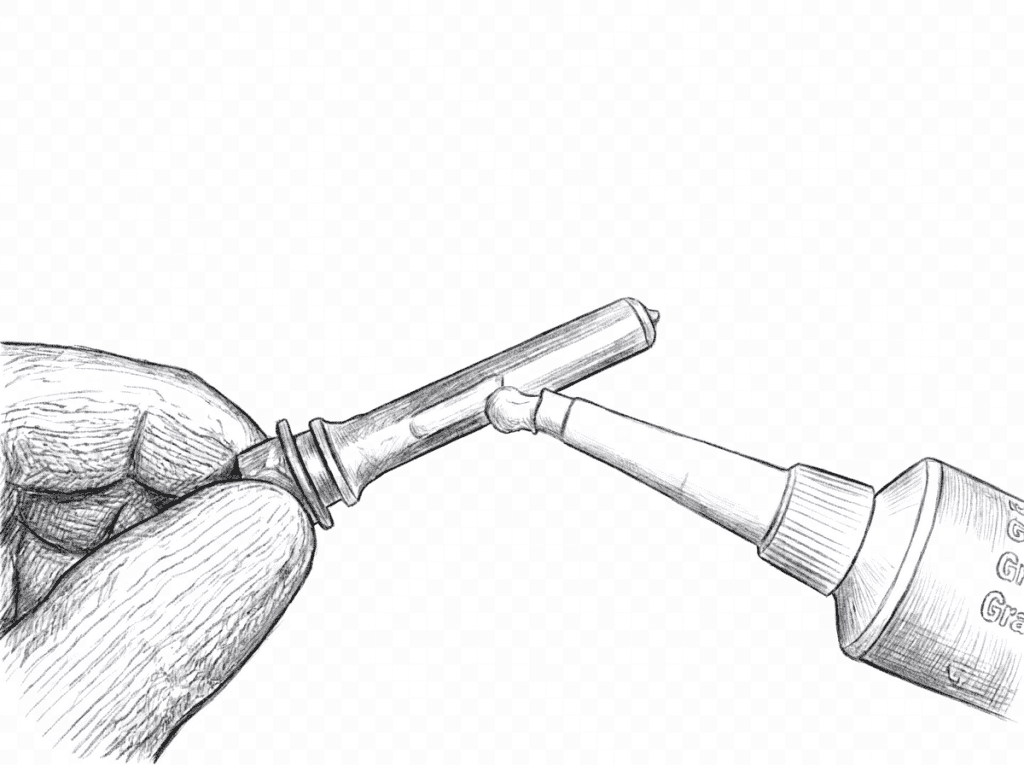
  • Wipe them clean and apply a thin coat of high‑temp brake grease to the pin surfaces.
  • Reinsert pins, ensuring they move smoothly.

Retracting the caliper piston

6.1 Standard piston (non‑parking brake type)

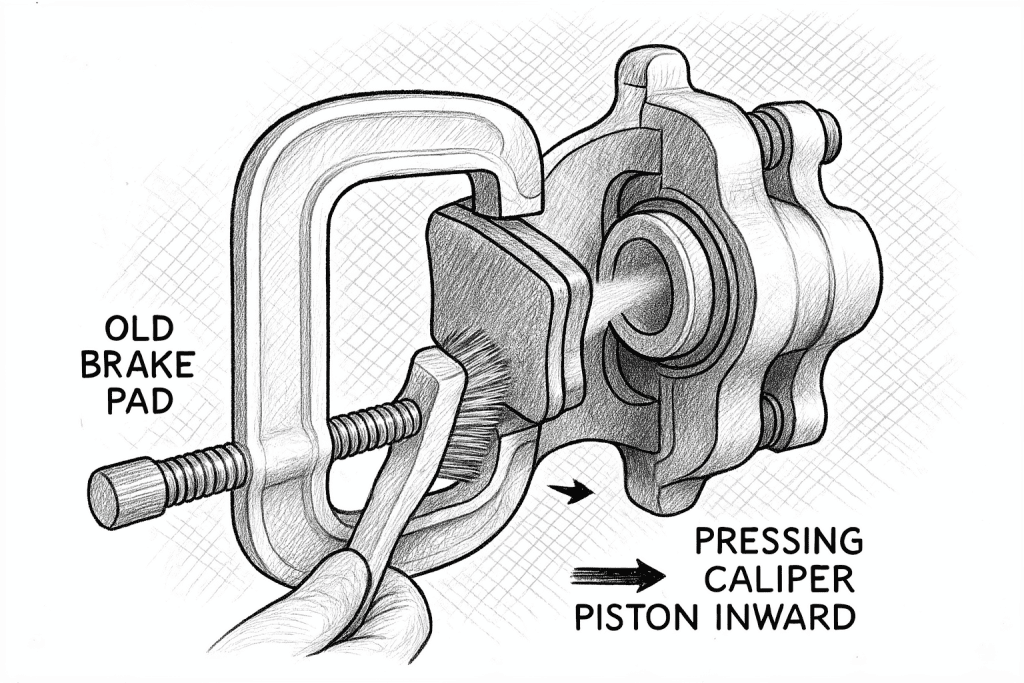
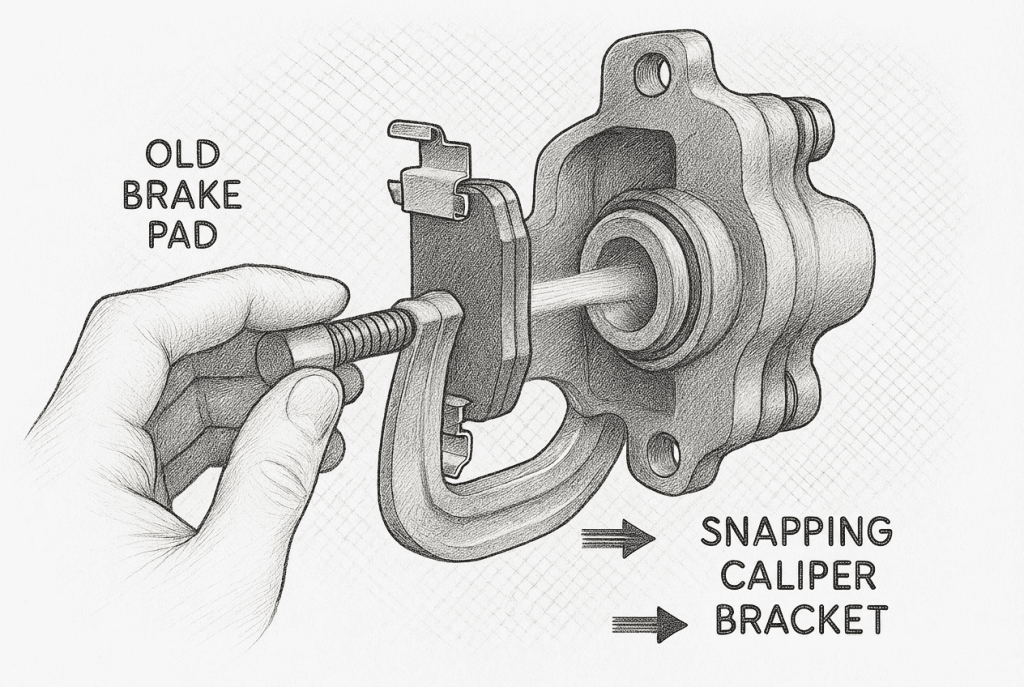
  • Place an old brake pad against the piston face inside the caliper.
  • Use a C‑clamp or piston tool to slowly push the piston back into the caliper bore.
  • Watch the brake fluid reservoir under the hood—fluid level will rise. If it nears the top, remove a small amount with a clean syringe or turkey baster (dispose of properly).

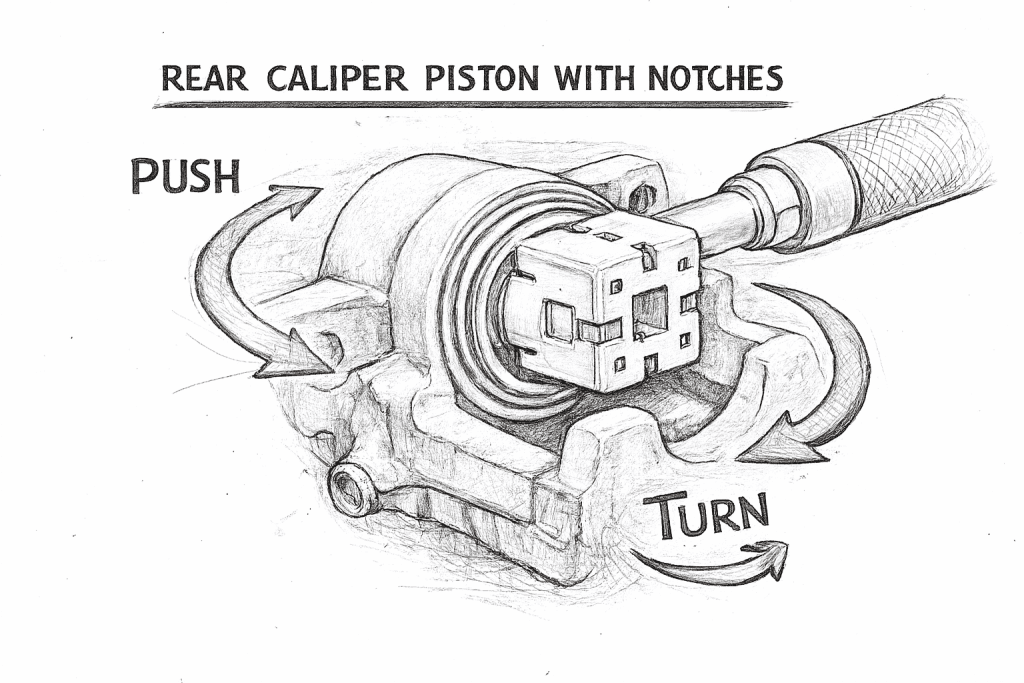
6.2 Integrated parking brake pistons (rear, some vehicles)

  • Some rear calipers require the piston to be rotated while being pushed in using a special cube tool or manufacturer‑specific tool.
  • Always follow the service manual for the correct method—forcing these pistons straight in can cause damage.

Installing new pads and hardware

7.1 Install new hardware

  • Clip the new pad retaining clips or abutment shims into the caliper bracket where the old ones were.
  • Ensure they are fully seated and oriented correctly.

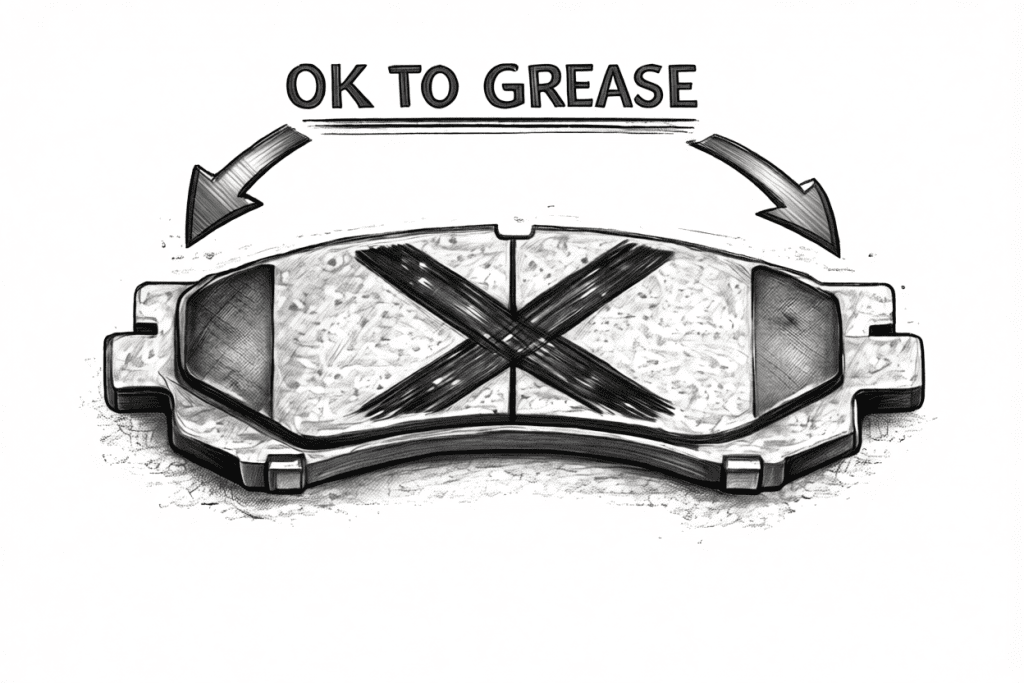
7.2 Apply brake grease (correct locations only)

  • Apply a very thin film of high‑temp brake grease to:
  • Pad ears/tabs where they contact the hardware.
  • Backs of the pads where they contact the caliper or piston (unless pads come with pre‑applied shims).
  • Never get grease on the pad friction surface or rotor.

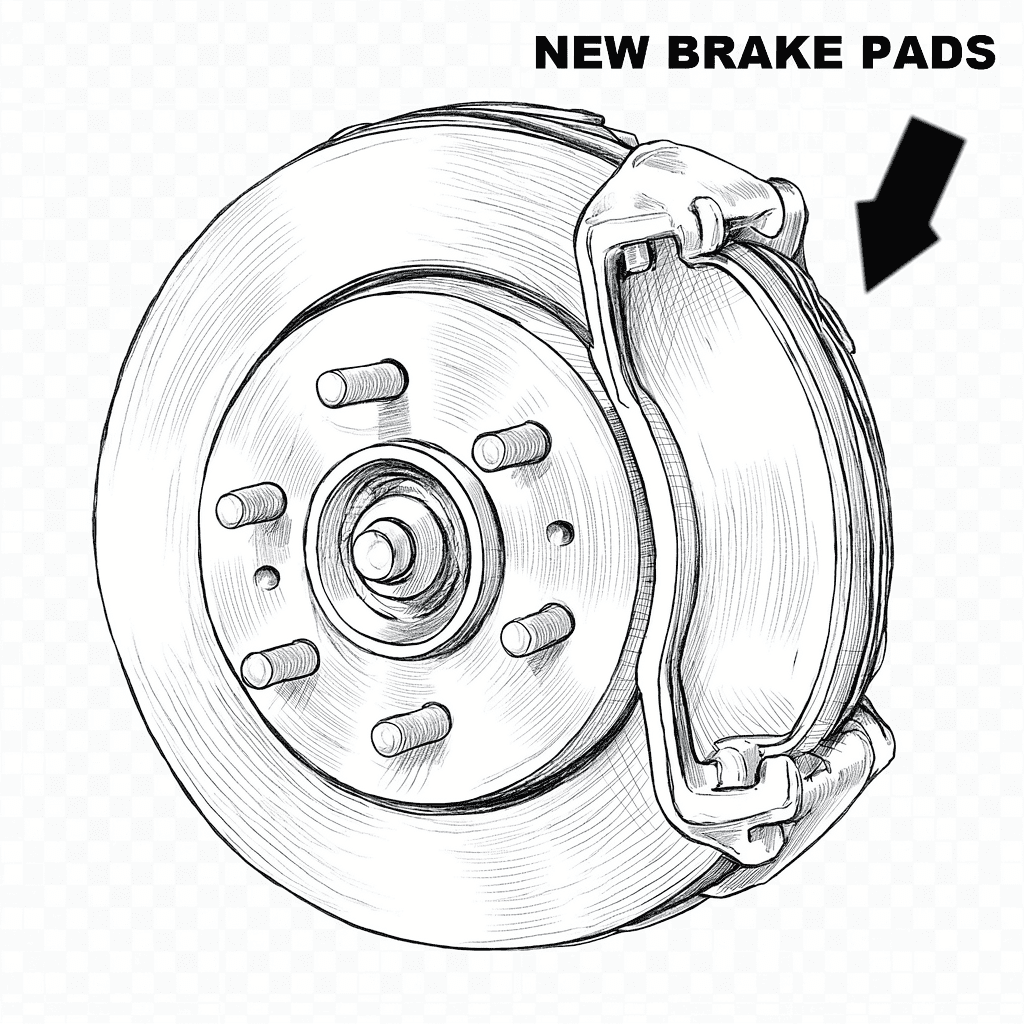
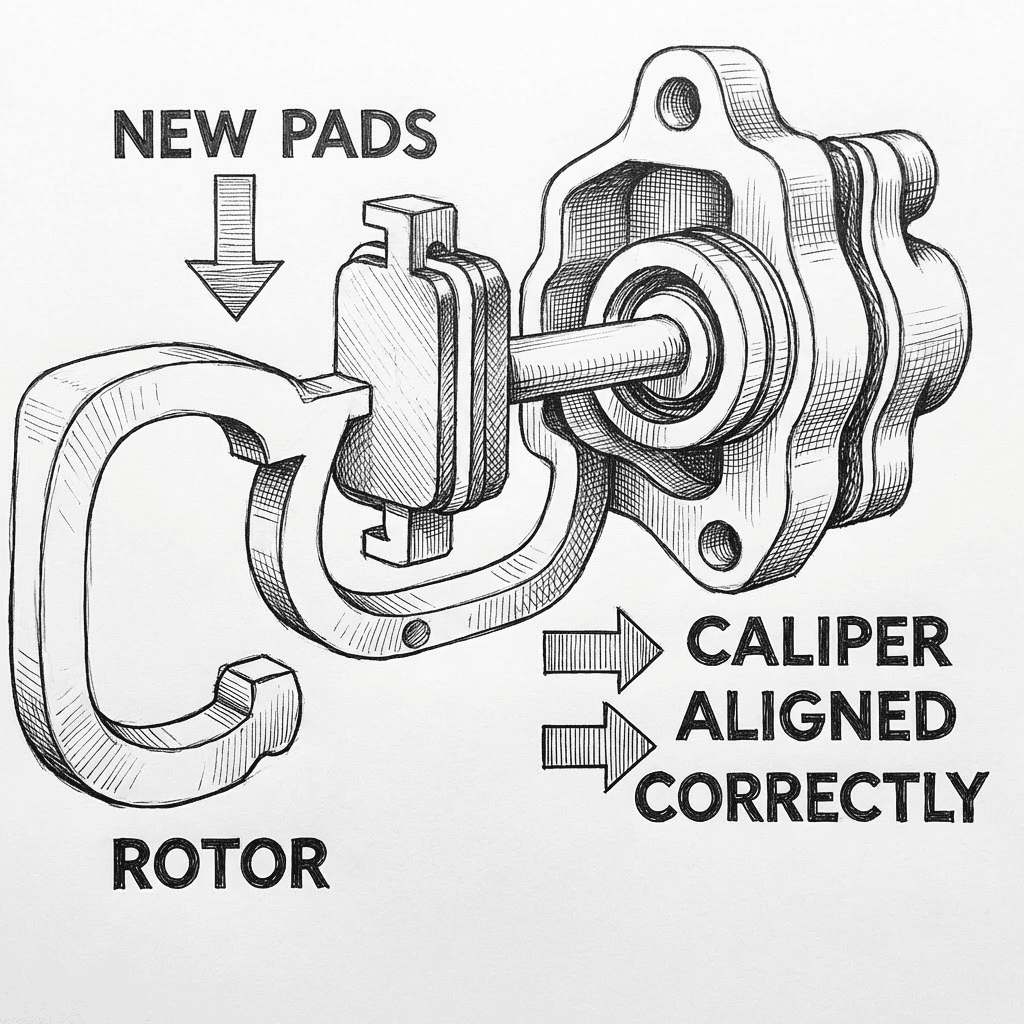
New pads installed in the bracket, arrows showing correct orientation

7.3 Install the new pads

  • Slide the inner and outer pads into the bracket, making sure:
  • The friction material faces the rotor.
  • Any wear indicators (squealers) are in the same position as the originals (often on the inner pad, leading edge).
  • Confirm pads move freely in the hardware but without excessive play.

Reinstalling the caliper and final assembly

8.1 Refit the caliper over the new pads

  • With the piston fully retracted, swing the caliper back over the pads and rotor.
  • Ensure the slide pin boots are not twisted or pinched.

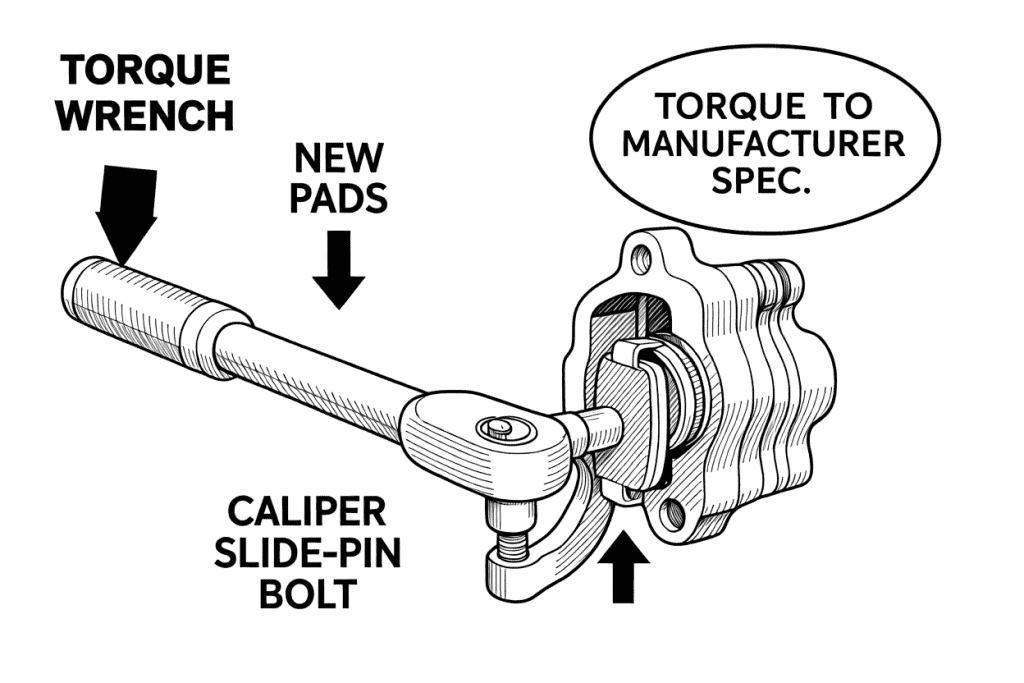
8.2 Install and torque slide pin bolts

  • Reinstall the slide pin bolts by hand to avoid cross‑threading.
  • Tighten them with a ratchet, then use a torque wrench to tighten to the specification in your service manual (values vary by vehicle)

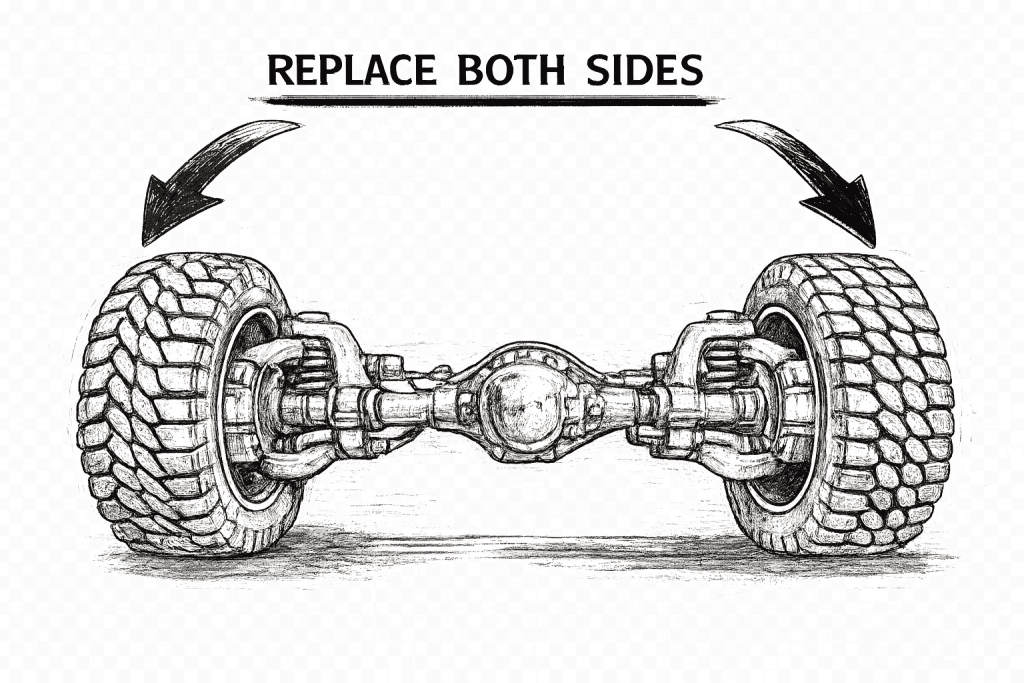
8.3 Repeat on the other side

  • Always replace brake pads in axle pairs (both front wheels or both rear wheels) to maintain balanced braking.

8.4 Reinstall wheels and lower the vehicle

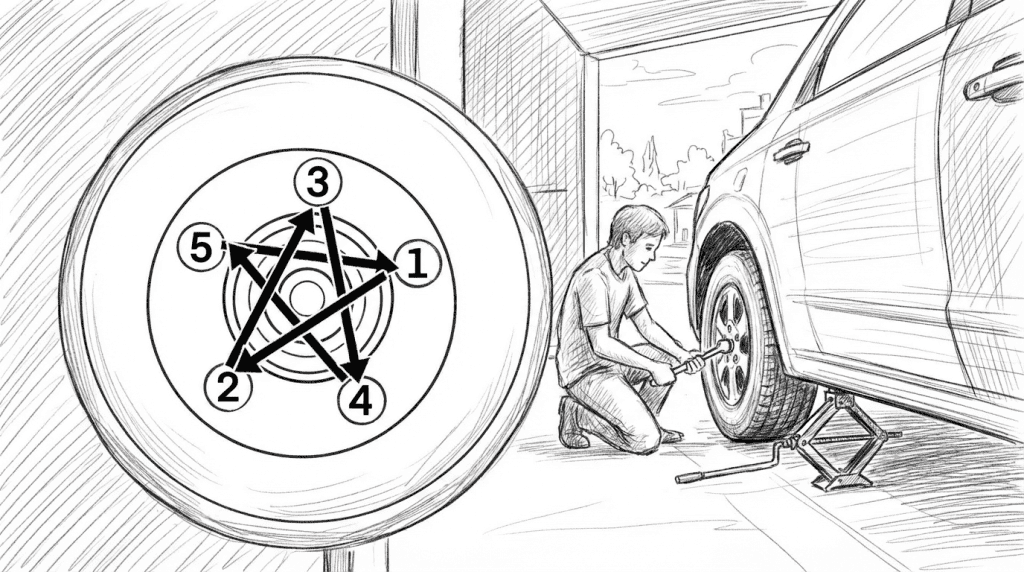
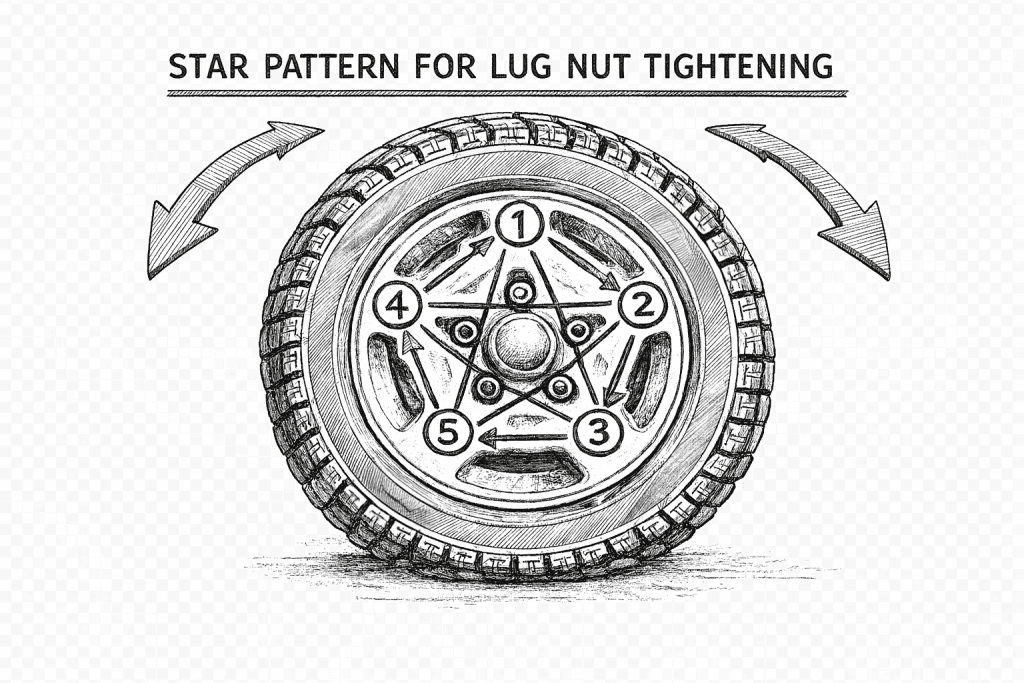
  • Put the wheel back on and hand‑thread all lug nuts.
  • Snug the lug nuts in a star pattern with the wheel off the ground.
  • Lower the vehicle off the jack stands using the floor jack.
  • Use a torque wrench to tighten lug nuts in a star pattern to the manufacturer’s specified torque.

Restoring brake pedal feel and fluid check

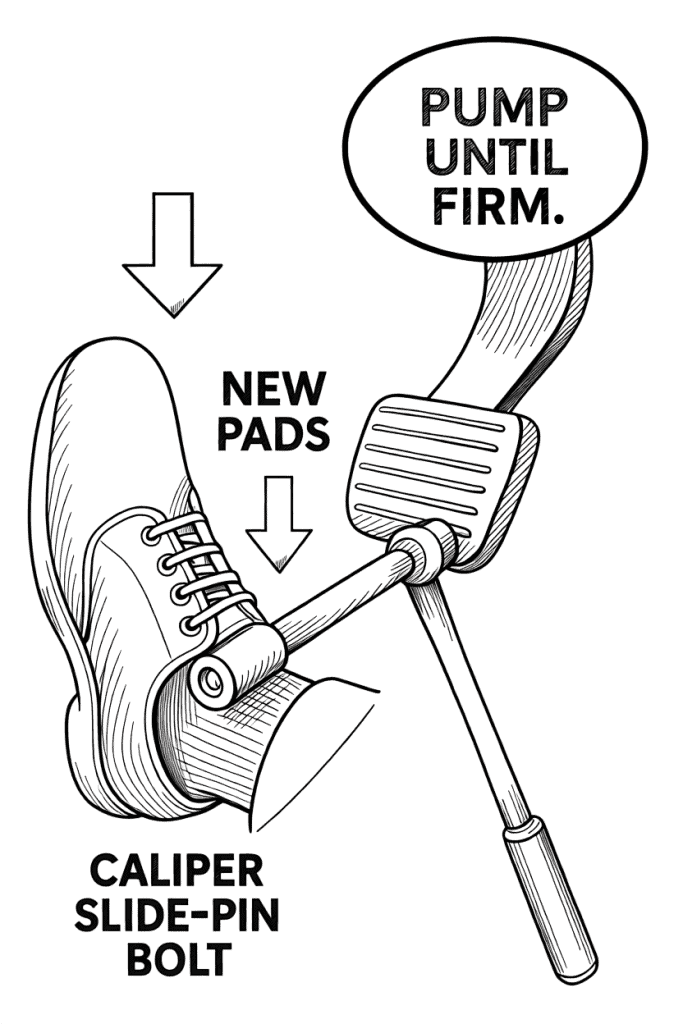
9.1 Pump the brake pedal

  • Before driving, pump the brake pedal slowly several times until it becomes firm.
  • This seats the pads against the rotors and moves the pistons back out.

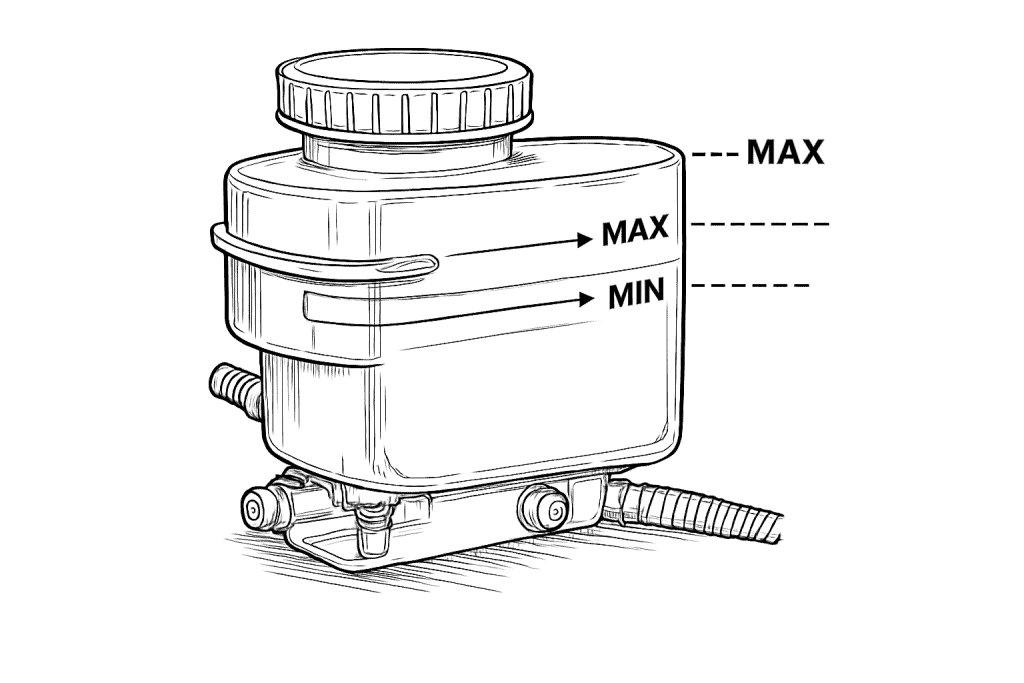
9.2 Check brake fluid level

Open the brake fluid reservoir under the hood.

Ensure the level is between MIN and MAX marks.

If needed, top up with the correct type of brake fluid (DOT 3, 4, etc., as specified on the cap/manual).

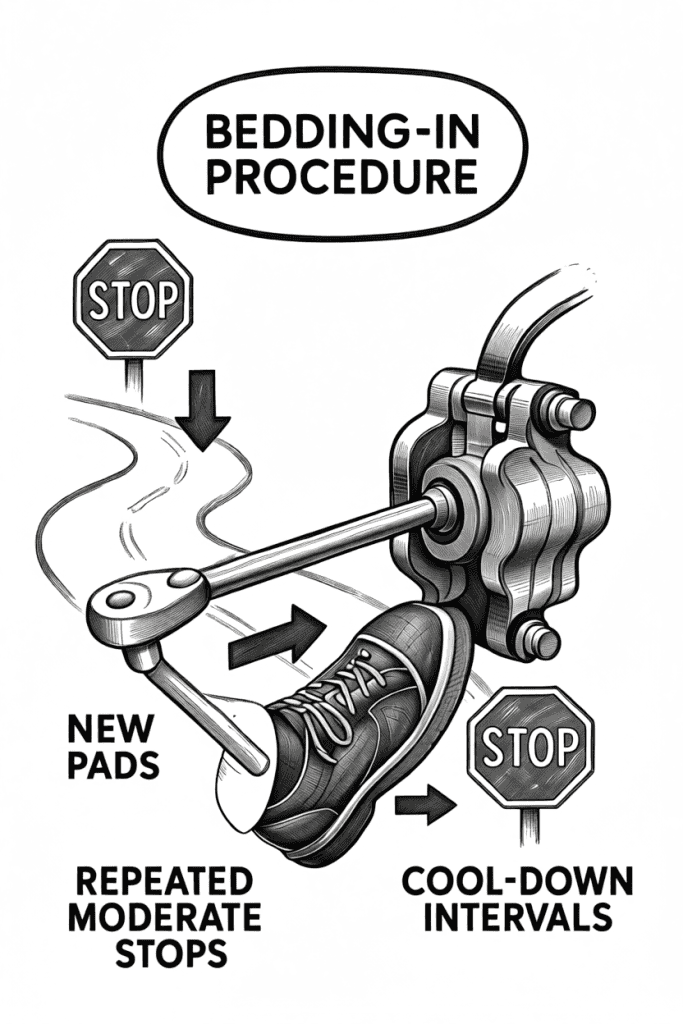
Bedding in (breaking in) new brake pads

  • Proper bedding helps ensure quiet operation and optimal braking performance.
  • A common general procedure (always check pad manufacturer instructions):
  • Drive to a safe, empty road.
  • Perform 5–10 moderate stops from about 30–35 mph down to 5–10 mph, using firm but not emergency‑level pressure.
  • Allow light driving between stops to cool the brakes slightly—do not come to a complete stop and hold the pedal hard for long periods during bedding.
  • After the sequence, drive gently for 5–10 minutes to let brakes cool.

11. Final checks

  • Listen and feel: On your first few drives, listen for abnormal noises (grinding, metallic scraping) and feel for pulling, vibration, or a soft pedal.
  • Recheck lug nut torque: After a short drive, re‑verify lug nut torque.
  • Inspect visually: After a day or two, look through the wheel to confirm pads are seated properly and there are no leaks or loose components.

Add a comment

Your email address will not be published. Required fields are marked *