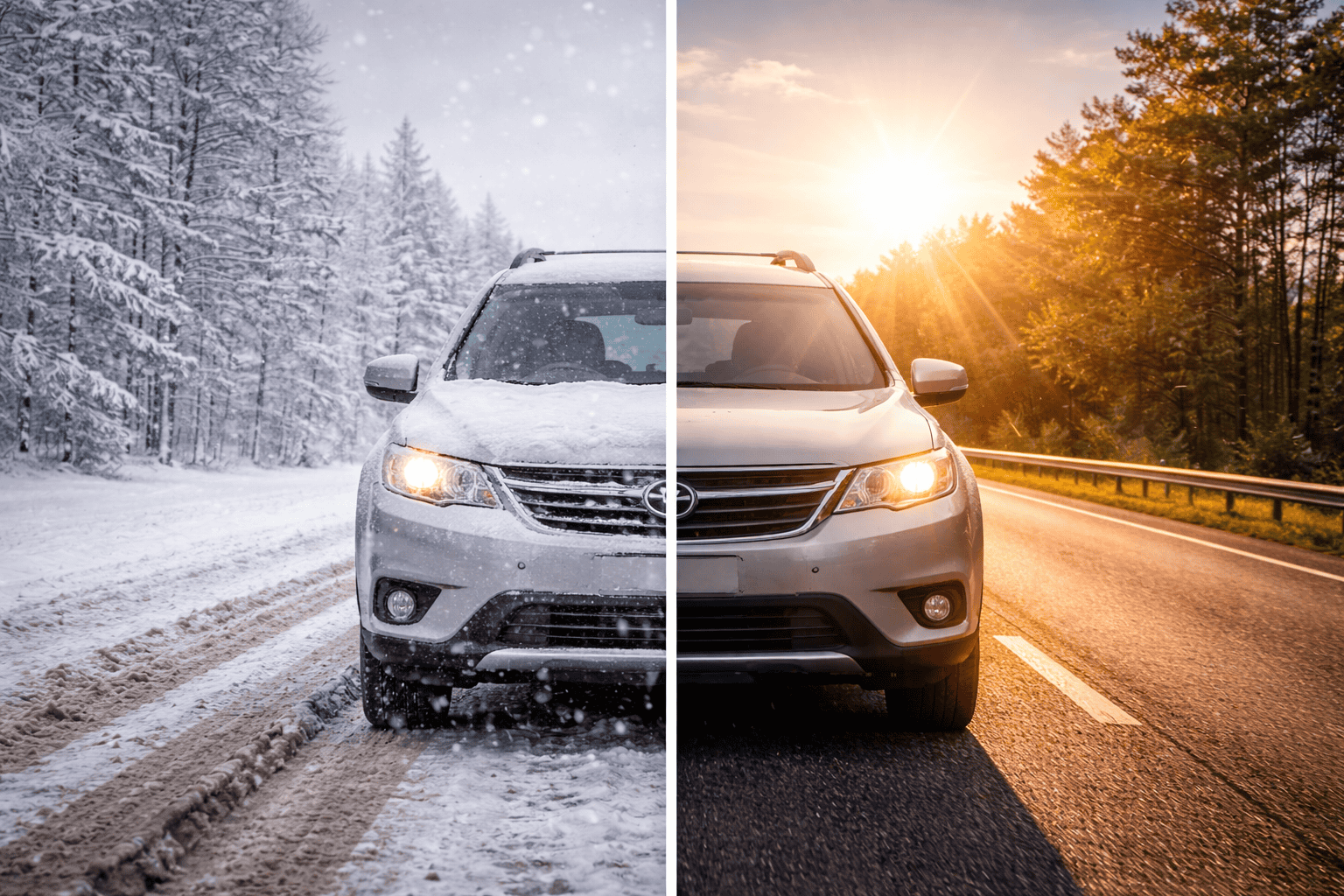
Seasonal conditions influence far more than daily driving comfort. Understanding how seasonal weather affects vehicle ownership costs helps drivers anticipate maintenance expenses, protect reliability, and avoid preventable mechanical failures. Moreover, weather-related wear often develops gradually, so recognizing early warning signs allows owners to act before small issues become expensive repairs.
Because vehicles operate in changing temperatures, humidity levels, road conditions, and environmental exposure, long-term ownership costs can vary significantly depending on climate patterns.
Every season introduces unique stresses on mechanical systems. For example, cold temperatures reduce battery efficiency, while extreme heat accelerates fluid breakdown. Consequently, learning how climate affects car maintenance costs allows owners to schedule preventative service instead of reacting to unexpected breakdowns.
Common weather-related ownership impacts include:
Faster tire wear from temperature swings
Fluid degradation during hot months
Battery performance loss in winter
Suspension wear from rough seasonal roads
Therefore, seasonal planning plays a major role in controlling vehicle maintenance cost over time.
Winter: The Most Expensive Season for Mechanical Stress
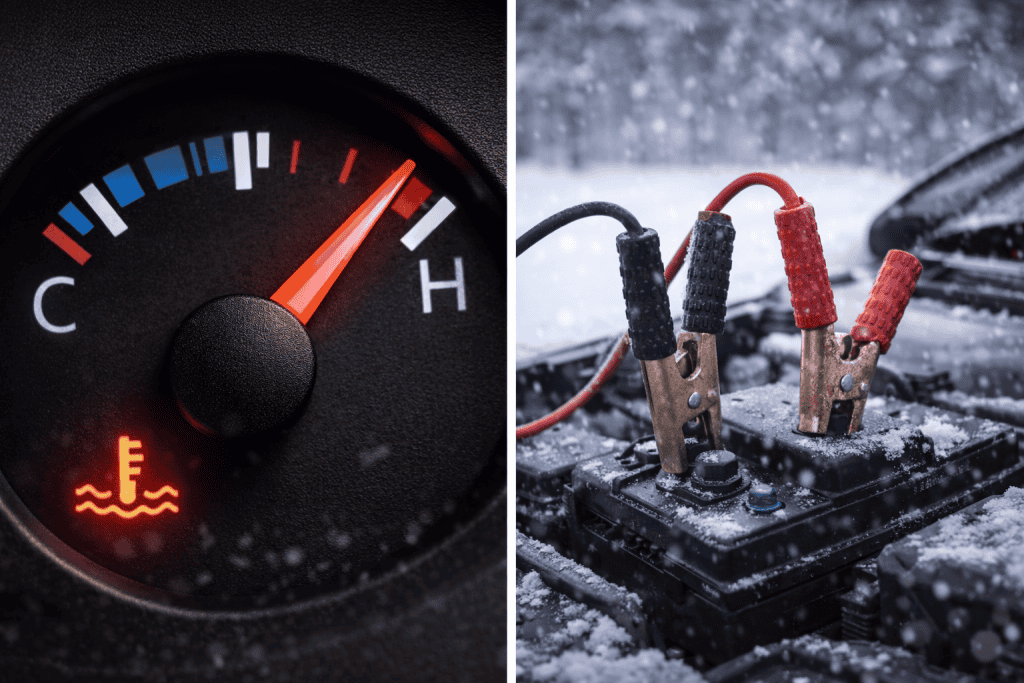
Dashboard warning or cold-start battery issue showing seasonal reliability risks
Cold weather typically produces the highest number of reliability problems. First, freezing temperatures thicken engine oil, making cold starts harder. Second, battery output drops sharply in low temperatures, which explains why many vehicles fail to start during winter mornings.
In addition, snow, ice, and road salt accelerate corrosion.
Watch for:
Slow engine cranking at startup
Dim headlights during ignition
Visible rust forming underneath the vehicle
Reduced tire pressure from temperature drops
Because winter combines electrical stress with corrosion exposure, it strongly increases winter car maintenance costs and long-term repair risk.
If your vehicle already shows cold-start issues, checking battery health and charging performance early can prevent emergency replacements later in the season.
Summer Heat: Hidden Damage to Fluids and Cooling Systems
While winter failures are more obvious, summer heat often causes silent long-term damage. High temperatures accelerate oxidation in engine oil, transmission fluid, and coolant. As a result, lubrication effectiveness declines and internal wear increases.
Because overheating can cause catastrophic engine damage, understanding how hot weather affects car reliability is essential for preventing the most expensive ownership failures.
Spring and Fall: Road Conditions That Increase Wear
Transition seasons often create unpredictable road hazards. Freeze-thaw cycles during early spring can produce potholes that damage suspension components, wheels, and alignment settings. Meanwhile, heavy autumn rain increases braking distances and accelerates tire wear.
Typical seasonal wear indicators include:
Steering vibration after hitting potholes
Uneven tire wear patterns
Increased stopping distance in wet weather
Suspension noise on rough surfaces
Although these issues may appear minor initially, ignoring them can significantly increase long-term vehicle repair costs over time.
How Weather Exposure Accelerates Depreciation
Mechanical wear is only part of the financial picture. Environmental exposure also affects resale value.
For example:
Salt corrosion reduces structural lifespan
Sun exposure damages paint and interior materials
Flood exposure permanently affects electronics
Extreme temperature cycling weakens rubber seals
Therefore, recognizing how seasonal weather affects vehicle ownership costs includes understanding how climate influences depreciation, resale condition, and buyer confidence.
When Seasonal Maintenance Becomes Urgent
Certain weather-related symptoms should never be ignored.
Take immediate action if you notice:
Engine overheating warnings
Persistent battery starting failure
Brake performance decline in wet conditions
Visible rust spreading under body panels
Tire pressure warnings during temperature shifts
Because these problems worsen quickly under continued exposure, delaying inspection often leads to significantly higher repair bills.
Washing underbody salt residue during winter months
Inspecting suspension alignment after severe pothole seasons
By preparing ahead, drivers actively reduce seasonal vehicle maintenance expenses and extend component lifespan.
Consequences of Ignoring Seasonal Wear
Ignoring weather-related maintenance often results in:
Sudden winter starting failures
Overheating during highway summer driving
Accelerated rust damage reducing resale value
Tire failure caused by unnoticed pressure loss
Suspension damage leading to unsafe handling
Because these failures usually develop gradually, proactive inspection is always more affordable than reactive repair.
Conclusion
Understanding how seasonal weather affects vehicle ownership costs allows drivers to predict maintenance needs, protect reliability, and prevent avoidable repairs. Since temperature extremes, road conditions, and environmental exposure all influence vehicle lifespan, seasonal preparation remains one of the most effective ways to control long-term ownership expenses while maintaining safe daily operation.
[…] value isn’t just about mileage or trim level. Instead, the history behind the vehicle often determines long-term ownership costs, insurance premiums, and buyer confidence. For many drivers, the first sign of trouble isn’t […]
This platform analyzes depreciation trends, resale value behavior, and long-term ownership costs, helping drivers understand how mileage, maintenance, and timing shape real financial outcomes.