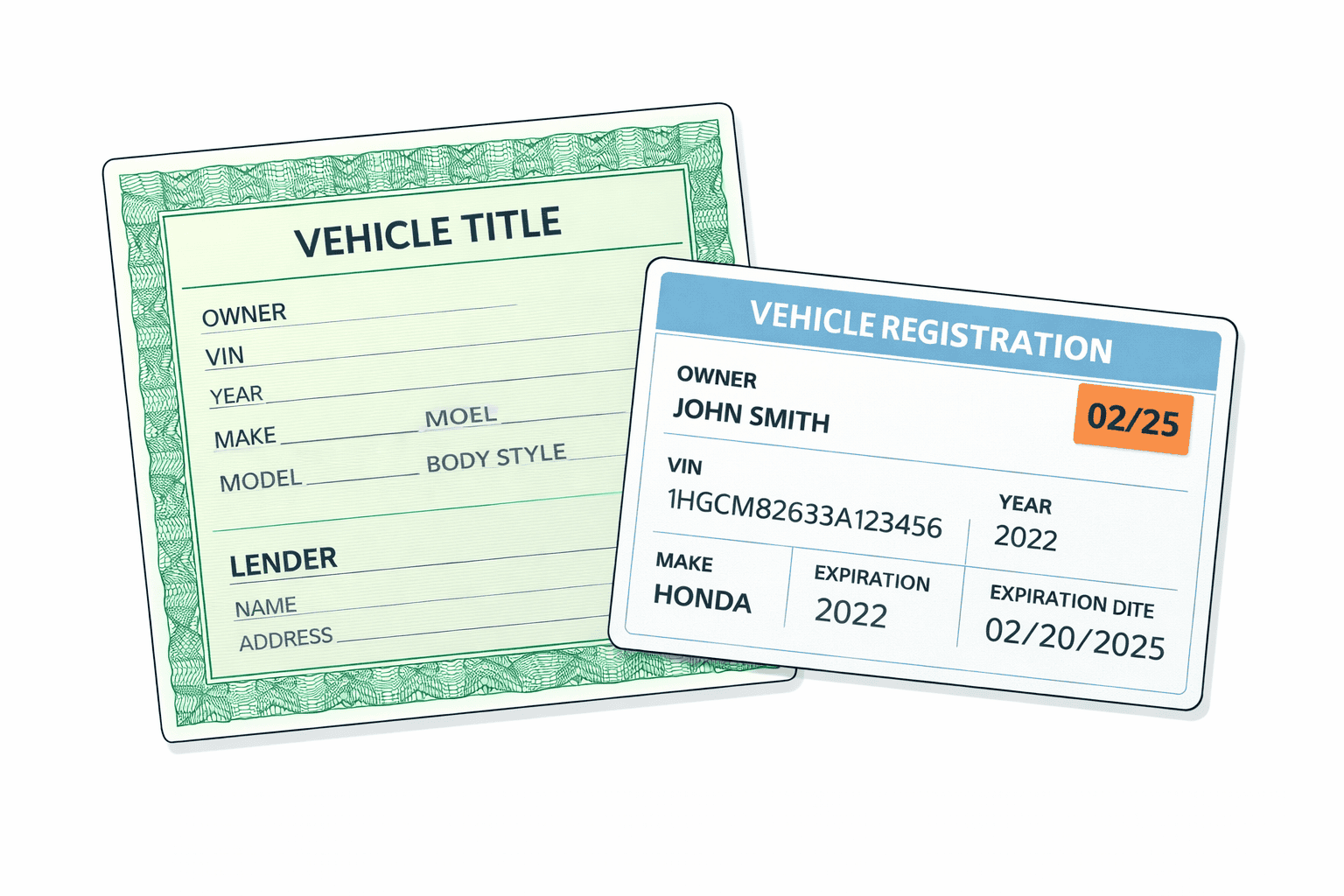
Vehicle ownership laws in the United States vary by state, and understanding how they work is essential for protecting your investment. Although the basic framework of ownership remains consistent nationwide, important legal differences affect vehicle titles, registration, inspections, taxation, and compliance requirements. Therefore, owners who understand these rules can avoid penalties, delays, and costly administrative mistakes.
This guide outlines how U.S. vehicle ownership laws function, why states regulate vehicles differently, and what every owner should know before buying, selling, or relocating.
How Vehicle Titles Work in the United States
A vehicle title is the legal document that proves ownership. Without it, you cannot legally transfer, sell, or register a vehicle. However, titles are regulated at the state level, which means formats, branding, and transfer procedures vary.
Clean Title vs Branded Title
A clean title indicates that the vehicle has not been declared a total loss by an insurance company. In contrast, a branded title carries a permanent designation such as:
- Salvage
- Rebuilt
- Flood Damage
- Lemon Law Buyback
- Odometer Discrepancy
Because title branding directly affects resale value and insurability, buyers must verify title status before completing a transaction. Additionally, some states require enhanced inspections before a rebuilt vehicle can be registered.
How Lienholder Titles Work
If a vehicle is financed, the lender is typically listed as a lienholder. In many states, the lender retains the physical title until the loan is fully paid. As a result, transferring ownership requires a lien release document before the transaction can be finalized.
How Registration Differs from a Title
Although many people use the terms interchangeably, a title and a registration serve different legal purposes.
- The title proves ownership.
- The registration authorizes operation on public roads.
Registration requires payment of state fees and, in most cases, proof of insurance. Meanwhile, some states also require emissions testing or safety inspections before issuing registration. Registration must be renewed periodically, whereas a title changes only when ownership transfers.
Understanding this distinction is critical because failing to renew registration can result in fines, even if you legally own the vehicle.
How Vehicle Ownership Laws Differ by State
Because vehicle regulation is handled by individual states, legal requirements vary in several significant ways.
Registration Fee Structures
Some states charge flat registration fees. However, others calculate fees based on:
- Vehicle value
- Vehicle weight
- Model year
- Engine displacement
As a result, the cost of ownership can vary considerably depending on where the vehicle is registered.
Sales Tax on Vehicle Purchases
Most states apply sales tax when a vehicle is purchased. However, tax rates differ widely, and a small number of states do not charge vehicle sales tax at all. Additionally, certain states calculate tax based on the purchase price, while others rely on assessed market value.
Emissions and Safety Inspections
Inspection requirements vary significantly.
- Some states mandate annual emissions testing.
- Others require safety inspections.
- A few states require neither.
Therefore, relocating to another state may require new inspections before registration approval.
Lemon Law Protections
Lemon laws protect consumers who purchase defective vehicles. However, the coverage details vary by state, including:
- Time limits
- Mileage limits
- Number of repair attempts required
Consequently, owners must understand the specific consumer protections that apply in their state.
How Moving Between States Affects Ownership
When relocating, vehicle owners must transfer registration and, in some cases, update the title. Generally, states require:
- Proof of residency
- Active insurance coverage
- VIN verification
- Payment of registration fees
Failure to complete these steps within the required timeframe can result in penalties. Additionally, insurance rates often change based on location.
Common Legal Mistakes Vehicle Owners Make
Because state regulations differ, administrative errors are common. However, most issues stem from preventable oversights.
- Failing to transfer title promptly after purchase
- Not verifying title branding before buying
- Overlooking lienholder documentation
- Missing registration renewal deadlines
- Ignoring emissions or inspection requirements
Therefore, reviewing documentation carefully before finalizing any transaction is essential.
Why Understanding U.S. Vehicle Ownership Laws Matters
Vehicle ownership involves more than possession. It requires compliance with state-level regulations governing titles, registration, taxation, inspections, and consumer protections. Additionally, these laws directly influence resale value, insurability, and long-term ownership costs.
By understanding how U.S. vehicle ownership laws operate, owners can make informed decisions, avoid administrative setbacks, and protect their investment throughout the ownership lifecycle.
Related Guides