Engine overheating rarely happens without warning. In most cases, vehicles display clear symptoms long before serious damage occurs. Therefore, recognizing overheating symptoms early is one of the most effective ways to protect engine components, avoid roadside breakdowns, and reduce long-term repair costs.
Because modern engines operate within tight temperature tolerances, even a brief overheating event can cause damage. Consequently, understanding what to watch for is essential for both new and experienced drivers.
Why Engine Overheating Happens
Although overheating is often blamed on hot weather, it usually results from a cooling system imbalance. For example, low coolant levels, restricted airflow, or mechanical failures can all prevent heat from dissipating properly.
Additionally, overheating may occur gradually, which means drivers sometimes overlook early warning signs until the situation becomes severe.
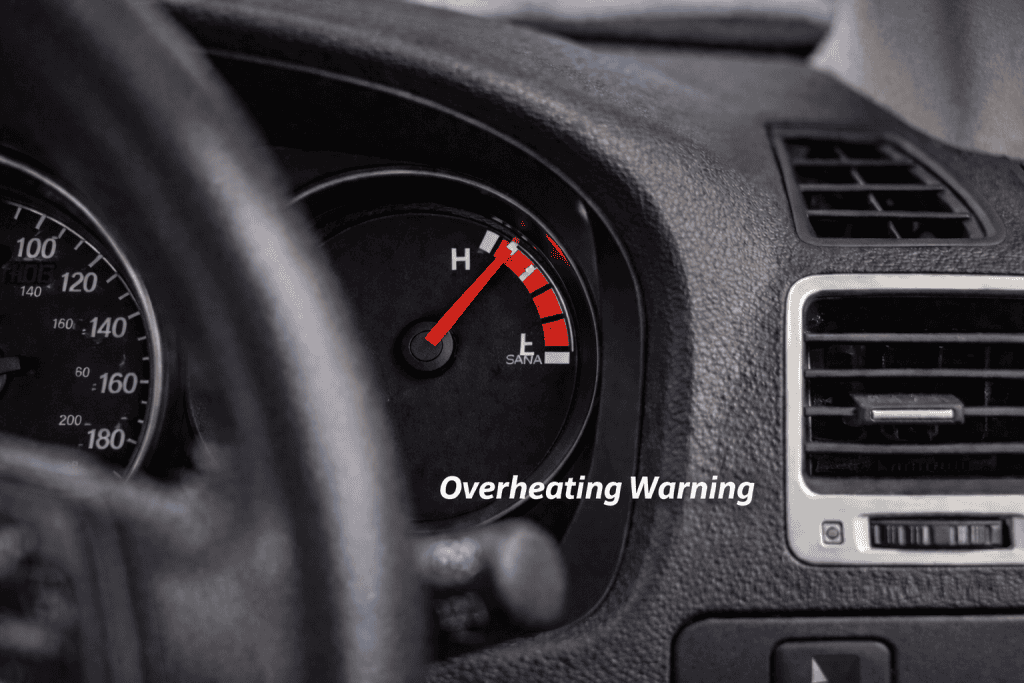
Dashboard temperature gauge with the needle fully in the red zone at the H mark, indicating severe engine overheating.
Early Warning Signs of Engine Overheating
Rising Temperature Gauge
One of the earliest indicators is a temperature gauge that climbs higher than normal. While slight movement is expected, a steady rise toward the red zone indicates a developing problem. Therefore, any sustained increase should be taken seriously.
Warning Lights or Alerts
Many vehicles use dashboard alerts instead of traditional gauges. When an overheating or coolant warning appears, it typically means the system has already detected abnormal conditions. As a result, immediate action is recommended.
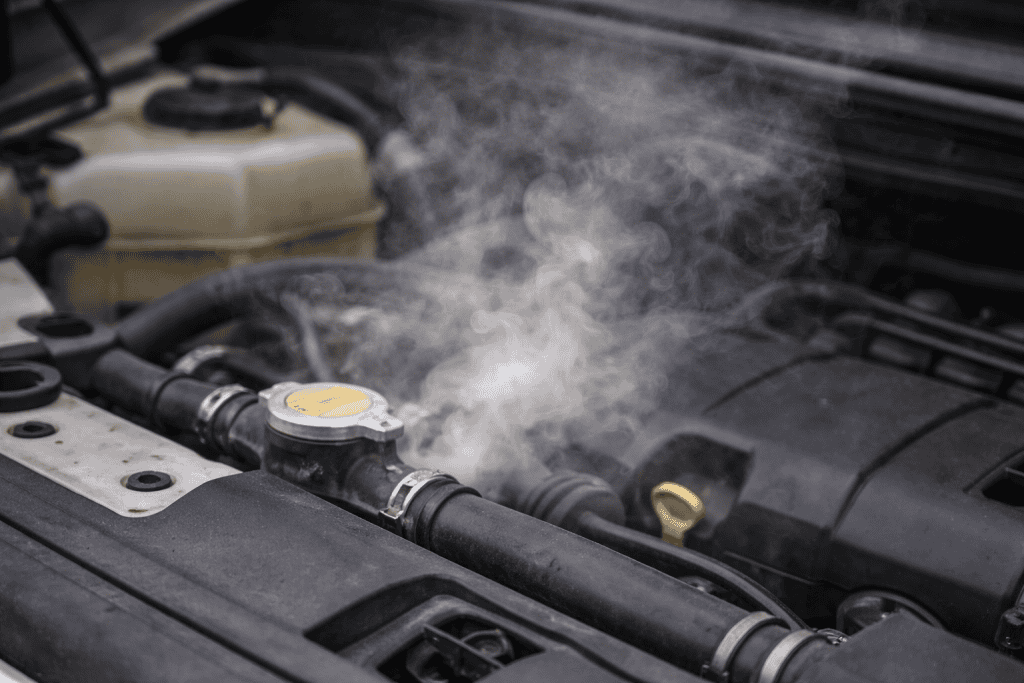
Steam rising from the engine bay near the radiator, indicating an overheating cooling system.
Advanced Symptoms You Should Not Ignore
Steam or Smoke from the Engine Bay
If steam is visible under the hood, coolant may be boiling or escaping. Although this may resemble smoke, it is often vapor caused by excessive heat. In this case, continued driving can cause rapid damage.
Unusual Smells
A sweet odor often indicates coolant leakage, whereas a burnt smell may suggest oil or wiring overheating. Therefore, unusual smells should always be investigated promptly.
Reduced Engine Performance
When engines overheat, control systems may limit power to reduce stress. Consequently, you may notice sluggish acceleration or unexpected power loss.
Secondary Symptoms That Signal Overheating Risk
Heater blowing cold air despite high temperature settings
Knocking or ticking noises caused by heat expansion
Coolant warning returning shortly after refilling
Although these symptoms may seem minor individually, together they often point to an overheating condition that requires attention.
What to Do If Overheating Symptoms Appear
If overheating symptoms develop while driving, it is important to respond correctly.
First, reduce engine load by turning off air conditioning and increasing cabin heat if safe to do so. Next, pull over as soon as possible and shut the engine off. However, never open the cooling system while hot, as pressurized coolant can cause severe burns.
After the engine cools, inspect coolant levels and look for visible leaks before continuing.
Long-Term Risks of Ignoring Overheating Symptoms
Ignoring overheating signs can result in warped cylinder heads, damaged head gaskets, or complete engine failure. Therefore, early diagnosis not only improves reliability but also preserves vehicle value over time.
Overheating symptoms should never be dismissed as temporary or harmless. Instead, they should be treated as early warnings that protect the engine when addressed promptly. By understanding these signs, drivers can act before minor issues escalate into major repairs.
This platform analyzes depreciation trends, resale value behavior, and long-term ownership costs, helping drivers understand how mileage, maintenance, and timing shape real financial outcomes.