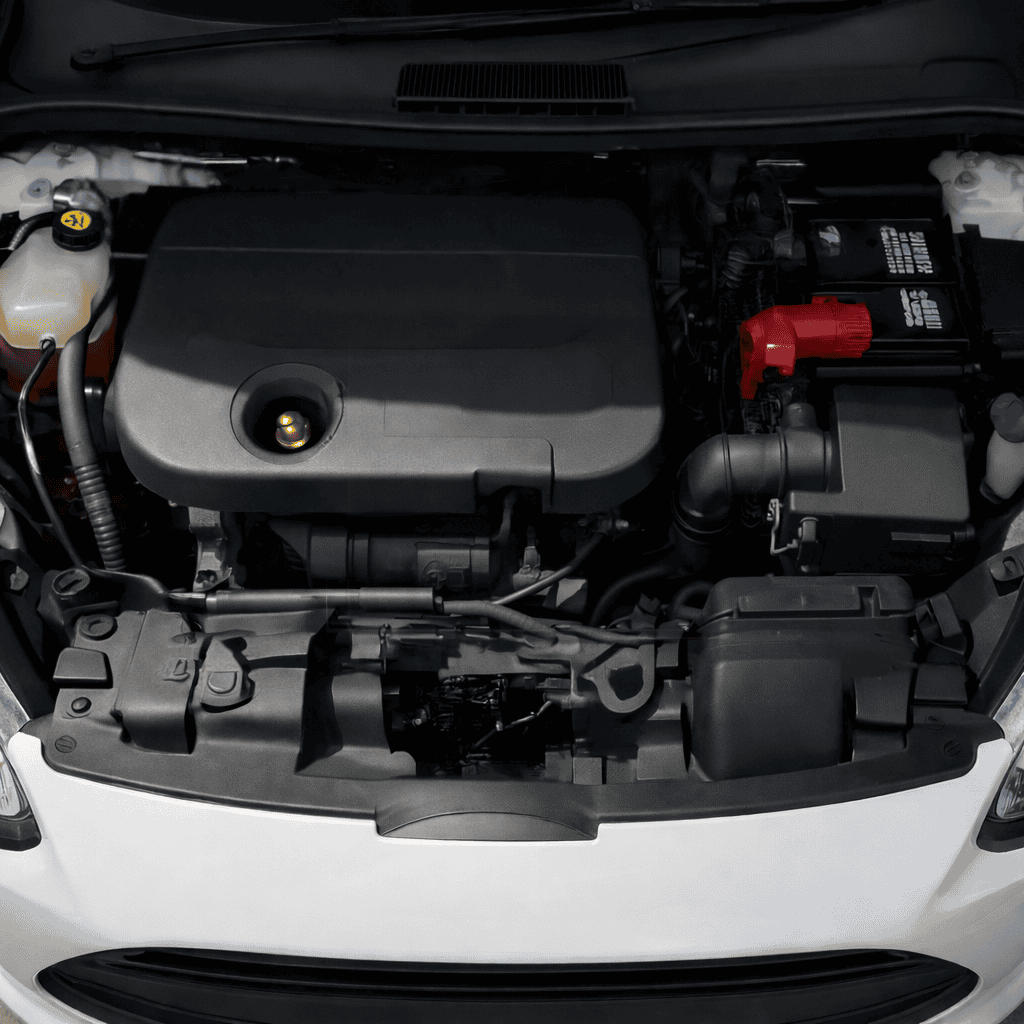
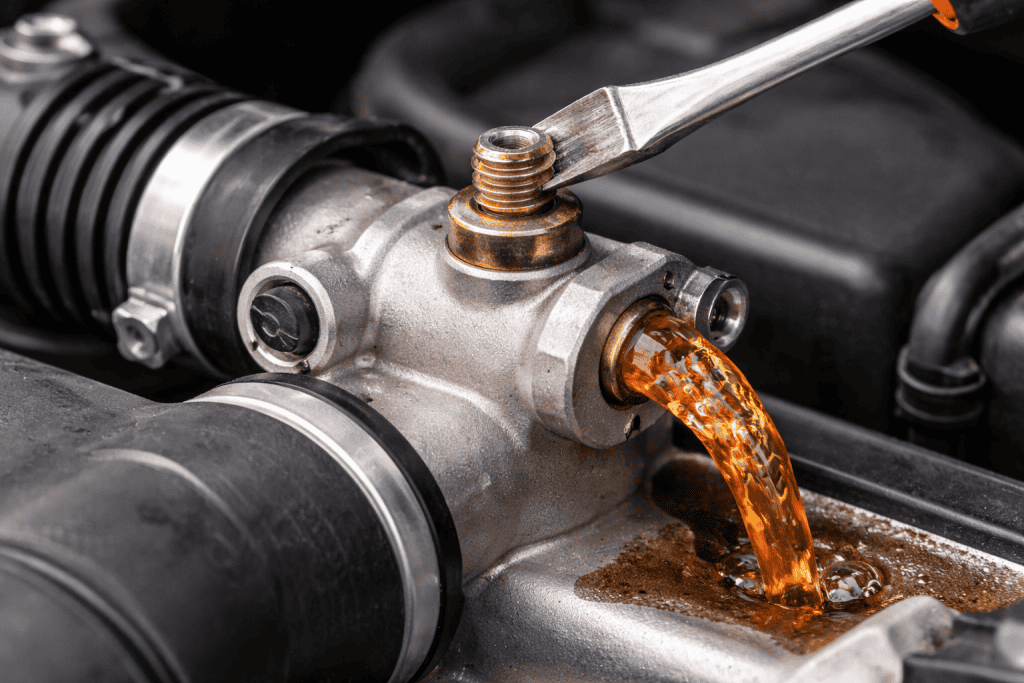
Air trapped inside a vehicle’s cooling system can cause overheating, weak cabin heat, and inconsistent temperature readings. Therefore, understanding how to bleed air from a cooling system is an essential maintenance skill for long-term engine health.
Although cooling systems are designed to be sealed, air often enters after coolant replacement, hose repairs, or component failure. Consequently, bleeding the system helps restore proper coolant circulation and stable engine temperatures.
Even after bleeding, symptoms may persist if air remains in the system.
Watch for:
Gurgling sounds behind the dashboard
Temperature gauge spikes
Heater blowing cold air
Coolant level dropping after driving
If these symptoms continue, additional bleeding may be required.
Safety Considerations Before Bleeding
Before attempting any bleeding procedure, always allow the engine to cool completely. Opening a hot cooling system can cause serious burns due to pressurized coolant.
Additionally:
Never remove a radiator cap on a hot engine
Wear gloves and eye protection
Use only manufacturer-approved coolant types
Safety should always take priority over speed.
Preventing Air From Re-Entering the System
To minimize future air intrusion:
Fill coolant slowly
Use proper coolant mixtures
Inspect hoses and clamps for leaks
Replace damaged caps promptly
Consequently, proper filling techniques reduce the need for repeated bleeding.
Bleeding air from a cooling system is a critical step that is often overlooked after routine service. However, when done correctly, it helps ensure consistent cooling performance and protects engine components from unnecessary stress.
Understanding the general process allows vehicle owners to recognize when bleeding is required, even if professional service is ultimately chosen.
This platform analyzes depreciation trends, resale value behavior, and long-term ownership costs, helping drivers understand how mileage, maintenance, and timing shape real financial outcomes.