Pickup trucks dominate many vehicle markets for one clear reason: durability. Drivers rely on them for towing, hauling, and daily commuting. But when buyers begin researching ownership, a familiar question appears quickly:
How reliable are trucks compared with other vehicle types?
In practice, modern pickup trucks are engineered for heavier workloads than most passenger vehicles. Strong frames, larger engines, and reinforced suspensions allow them to endure higher mechanical stress. Because of that design philosophy, many trucks routinely exceed 200,000 miles when maintained properly.
Still, reliability varies widely between models. Some trucks develop transmission or engine problems earlier than expected, while others remain dependable for decades.
This guide examines truck reliability, common truck problems, ownership costs, and the best trucks based on durability patterns, maintenance trends, and real ownership data.
Why Truck Reliability Matters to Owners
Reliability matters even more for trucks than for most vehicles. Trucks are often used for demanding tasks such as towing trailers or transporting equipment. Because of that workload, repair costs can escalate quickly when problems appear.
According to automotive ownership studies, unexpected repairs account for roughly 35–45% of total long-term truck ownership expenses.
Reliable trucks typically provide:
Lower lifetime repair costs
Stronger resale value
Fewer mechanical failures during heavy use
Higher owner satisfaction
For many drivers, reliability becomes obvious only after years of ownership. Sometimes the first warning sign is a small coolant leak. Ignore it, and the water pump eventually fails. That’s when a $150 repair becomes a $900 job.
Small maintenance decisions often determine whether a truck lasts 120,000 miles or 250,000 miles.
Reliability insights referenced from vehicle safety and complaint data provided by the National Highway Traffic Safety Administration (NHTSA): https://www.nhtsa.gov
What Is a Pickup Truck?
A pickup truck is a body-on-frame vehicle designed with a separate cargo bed behind the passenger cabin. This configuration allows trucks to carry heavy loads without compromising cabin space.
Most trucks share several defining features:
Body-on-frame construction
Rear cargo bed
High towing capacity
Reinforced suspension components
Larger engines than passenger cars
Payload capacity for modern trucks typically ranges between 1,200 and 3,000 pounds, depending on the model.
Meanwhile, towing capacity often exceeds 8,000–14,000 pounds for full-size pickups.
That capability explains why many contractors, outdoor enthusiasts, and rural drivers depend on trucks every day.
Over five years, fuel expenses may range between $9,000 and $16,000 depending on mileage and engine type.
Popular Truck Models
Several models dominate discussions about reliable trucks and long-term durability.
Mid-Size Trucks
Toyota Tacoma — legendary durability reputation Ford Ranger — strong towing capability for its size Chevrolet Colorado — balanced performance and comfort
Full-Size Trucks
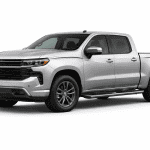
Ford F-150 — consistently among the best-selling trucks worldwide Chevrolet Silverado 1500 — powerful engine options Ram 1500 — smooth ride and refined interior
These trucks generate enormous search demand because of their reliability track records and strong resale values.
Common Truck Problems Owners Should Know
Drivers often ask a straightforward question:
Which truck problems appear most frequently over time?
Even dependable trucks experience wear under heavy workloads.
1. Transmission Wear
One of the most common truck problems involves transmission stress caused by towing or hauling heavy loads.
Symptoms may include:
delayed shifting
gear slipping under load
transmission overheating
Repair costs typically range between $2,500 and $5,000.
Most drivers notice the issue during highway acceleration while towing.
2. Suspension Component Fatigue
Trucks carry heavier loads than passenger vehicles. Over time, suspension components such as leaf springs and shocks wear out.
Average repair cost:
$400–$1,200
Sometimes the first clue is uneven tire wear. Soon afterward, the truck begins bouncing more than usual over bumps.
3. Engine Cooling System Failures
Heavy towing places significant strain on cooling systems.
Common symptoms include:
rising engine temperatures
coolant leaks
radiator failure
Cooling system repairs usually range between $250 and $900 depending on the affected components.
Resale value remains strong because of consistent demand in both commercial and personal markets.
Safety and Long-Term Durability
Modern trucks incorporate advanced safety engineering designed to protect passengers during heavy-duty use.
Safety features commonly include:
reinforced steel frames
electronic stability control
automatic emergency braking
lane departure alerts
Manufacturers known for producing reliable trucks include:
Toyota Ford Chevrolet Ram
These brands consistently rank near the top of long-term durability studies.
Can a Truck Last 300,000 Miles?
Yes — many trucks reach 250,000 to 300,000 miles when maintained properly.
Longevity depends on several key factors:
regular oil changes
transmission service intervals
cooling system maintenance
responsible towing practices
One ownership scenario illustrates this clearly. A driver may replace worn brake pads only to realize the trailer brake controller was misadjusted. Fixing the underlying cause prevents premature wear the next time.
Mechanical problems rarely appear without warning.
Addressing small issues early often prevents large repair bills later.
FAQ
Often yes, because many trucks use simpler drivetrain designs and stronger frames.
The Toyota Tacoma consistently ranks among the most reliable trucks.
Yes. Larger tires and heavier components increase truck maintenance costs.
Well-maintained trucks frequently exceed 200,000 miles, and many reach 300,000 miles.
This platform analyzes depreciation trends, resale value behavior, and long-term ownership costs, helping drivers understand how mileage, maintenance, and timing shape real financial outcomes.