Sedans remain one of the most practical and widely driven vehicle types in the world. While SUVs dominate many new-vehicle sales today, millions of drivers still prefer the balance of efficiency, comfort, and affordability that sedans offer.
Yet one question frequently appears when buyers begin researching their next vehicle:
Are sedans still the most reliable type of car?
In many cases, the answer is yes. Because most sedans are lighter, simpler, and more aerodynamic than larger vehicles, they often experience fewer mechanical stresses over time. This contributes to strong sedan reliability, lower ownership costs, and excellent long-term durability.
Some of the most reliable sedans regularly surpass 200,000 miles with routine maintenance. Models like the Toyota Camry, Honda Accord, and Lexus ES have built reputations for dependable long-term ownership.
This guide explores sedan reliability, common mechanical issues, long-term ownership costs, and the best sedans drivers consistently trust.
A sedan is a passenger vehicle with four doors and a separate trunk compartment. Unlike hatchbacks or SUVs, the cargo area is isolated from the passenger cabin.
Most sedans provide:
Comfortable seating for five passengers
Balanced ride quality
Strong fuel efficiency
Lower ownership costs compared with larger vehicles
Some simply appreciate the predictable driving experience.
“The best car for everyday life is often the one that does everything quietly and reliably.” — Anonymous
Because of these advantages, sedans continue to dominate the global passenger car market.
Pros & Cons of Sedans
Before choosing a vehicle, understanding the strengths and trade-offs of the sedan body style helps buyers decide if it fits their lifestyle.
Pros
Excellent fuel efficiency
Lower sedan maintenance costs compared with larger vehicles
Comfortable highway ride
Easier parking and maneuverability
Typically lower purchase prices
Cons
Less cargo space than SUVs
Lower driving position
Limited off-road capability
Smaller towing capacity
For commuters and city drivers, the advantages often outweigh the limitations.
Popular Sedan Models
Several models dominate discussions about sedan reliability and long-term ownership value. These vehicles consistently appear in reliability rankings and consumer research.
Compact Sedans
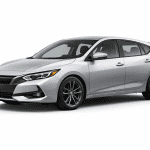
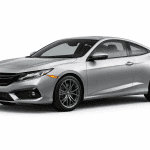
Honda Civic — efficient, durable, and widely trusted Toyota Corolla — one of the longest-lasting vehicles on the road Mazda3 — sporty handling and premium interior Hyundai Elantra — modern technology and value Nissan Sentra — affordable and comfortable commuter
Midsize Sedans
Toyota Camry — one of the most reliable sedans ever produced Honda Accord — strong performance and long-term durability Hyundai Sonata — modern styling with strong value Kia K5 — technology-focused midsize option Subaru Legacy — AWD capability in a sedan platform
Luxury Sedans
Lexus ES — outstanding reliability and comfort BMW 5 Series — performance-focused luxury sedan Mercedes-Benz E-Class — advanced technology and refinement
These vehicles anchor the sedan segment and generate strong search demand in automotive research.
Common Sedan Problems
Drivers often ask a straightforward question:
Which sedan problems appear most often over time?
Even reliable sedans can develop mechanical issues depending on design and maintenance habits.
Below are several patterns seen across the industry.
Transmission Issues
Some sedans using continuously variable transmissions (CVTs) have experienced reliability concerns.
Common symptoms include:
Delayed acceleration
Jerking during gear changes
Unusual whining noises
Older models from several manufacturers experienced these issues more frequently.
Because sedans typically consume less fuel than larger vehicles, their overall ownership costs remain competitive.
Safety & Reliability Overview
When comparing sedan reliability, crash-test performance and durability both play important roles.
Modern sedans perform well in safety testing thanks to improved structural engineering and advanced driver-assist technology.
Safety Highlights
Strong frontal crash protection
Advanced driver-assist systems
Excellent highway stability
Lower rollover risk than taller vehicles
Organizations such as the National Highway Traffic Safety Administration (NHTSA) provide official safety and recall data at: https://www.nhtsa.gov/recalls
This database helps drivers check safety recalls and reliability concerns for specific vehicles.
Can a Sedan Last 200,000 Miles?
Absolutely.
Many reliable sedans reach or exceed 200,000 miles with proper maintenance.
Longevity depends largely on owner habits.
Drivers who follow routine maintenance schedules and avoid aggressive driving often experience the longest vehicle lifespans.
Important factors include:
Regular oil changes
Cooling system maintenance
Transmission service
Responsible driving habits
Vehicles like the Camry and Accord frequently appear in high-mileage reliability studies for this reason.
FAQ
In many cases, yes. Their lighter weight and simpler engineering often contribute to stronger sedan reliability.
Toyota Camry, Honda Accord, and Lexus ES consistently rank among the most reliable sedans.
Yes. Average sedan maintenance costs are typically lower than SUVs due to smaller components and simpler drivetrains.
Often yes. Sedans are lighter and place less strain on components, which can support strong sedan reliability. However, both sedans and SUVs can exceed 200,000 miles with proper maintenance.
[…] largely on engineering design, drivetrain complexity, and long-term maintenance habits. Some models are built on proven sedan platforms and deliver impressive durability. Others emphasize performance, which can increase […]
This platform analyzes depreciation trends, resale value behavior, and long-term ownership costs, helping drivers understand how mileage, maintenance, and timing shape real financial outcomes.