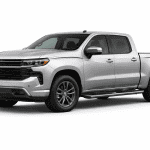
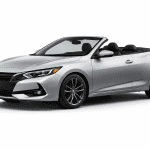
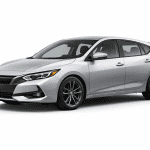
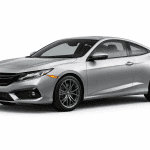
Hatchbacks have quietly become one of the most dependable segments in the automotive market. Compact design, lighter curb weight, and efficient engines often translate into fewer mechanical failures over time. Yet when drivers begin researching long-term ownership, a question almost always appears:
How reliable are hatchbacks compared with other vehicle types?
In practice, many hatchbacks perform exceptionally well in long-term reliability studies. Data from vehicle ownership reports and safety complaint databases suggest that well-maintained hatchbacks frequently reach 180,000 to 220,000 miles before major drivetrain repairs become common.
What matters most is engineering simplicity. Vehicles with smaller naturally aspirated engines and traditional automatic transmissions often deliver stronger hatchback reliability than heavily turbocharged designs.
This guide examines hatchback problems, maintenance costs, reliability trends, and the best hatchbacks based on ownership data and mechanical durability patterns.
Why Hatchback Reliability Matters to Buyers
Reliability influences far more than convenience. It directly affects long-term ownership costs.
For many drivers, one unexpected repair can trigger a series of additional expenses. Sometimes the first sign is a small coolant leak. A week later the water pump fails, and suddenly the repair bill triples.
In practice, compact vehicles benefit from lower mechanical stress. Lighter vehicles place less strain on transmissions, brakes, and suspension components.
As a result, many reliable hatchbacks become popular choices for drivers who prioritize long-term dependability.
So, What Are Hatchback?
A hatchback is defined by its rear cargo design. Instead of a traditional trunk lid, the rear door lifts upward, creating a larger cargo opening connected directly to the passenger cabin.
This configuration allows the rear seats to fold down, expanding cargo capacity dramatically.
Most hatchbacks combine:
Compact vehicle size
Fold-down rear seats
Efficient 4-cylinder engines
Flexible cargo space
Lower vehicle weight
The reality is this design offers a unique balance between efficiency and utility. A compact hatchback may appear small at first glance, but once the rear seats fold flat, cargo capacity can increase by 40–70%.
That’s why many urban drivers and commuters gravitate toward hatchbacks instead of larger vehicles.
Lower hatchback maintenance costs compared with SUVs
Easier maneuverability in tight urban environments
Flexible cargo capacity with folding seats
Lower purchase price than most SUVs
Cons
Smaller rear passenger space
Limited towing capability
Some performance models have higher insurance rates
Smaller engines may feel underpowered during highway acceleration
For many drivers, fuel savings alone make hatchbacks appealing. Over five years, improved fuel efficiency can reduce ownership costs by ,000–,000 compared with larger vehicles.
Popular Hatchback Models
Several models consistently appear when drivers research reliable hatchbacks.
Compact Hatchbacks
Honda Civic Hatchback — known for durability and resale value Toyota Corolla Hatchback — efficient and mechanically conservative Mazda3 Hatchback — refined interior with sporty driving dynamics Hyundai Elantra GT — strong technology features
Performance Hatchbacks
Volkswagen Golf GTI — performance hatch with balanced handling Ford Focus ST — turbocharged compact performance Subaru WRX Hatchback — AWD traction and rally heritage
These vehicles dominate search demand because they combine strong reliability records with practical ownership costs.
Common Hatchback Problems
Drivers researching ownership often ask:
Which hatchback problems appear most frequently over time?
Even reliable vehicles experience wear. However, several patterns appear across the segment.
1. CVT Transmission Wear
Some hatchbacks equipped with continuously variable transmissions experience premature wear.
Symptoms may include:
Delayed acceleration
Shuddering during throttle input
High engine RPM without increased speed
CVT repairs can range from $2,500 to $4,500, depending on the model.
That’s why transmission maintenance is important. Changing transmission fluid every 50,000–60,000 miles significantly reduces failure risk.
2. Suspension Component Wear
Compact vehicles often operate in urban environments filled with potholes and uneven pavement.
Over time, suspension parts may wear out, including:
control arm bushings
shocks and struts
stabilizer links
Typical repair cost ranges between $300 and $900 depending on the components involved.
One ownership scenario illustrates this well. A driver may replace worn brake pads only to discover warped rotors caused the initial vibration. Fixing both components prevents the issue from returning.
Small mechanical chains like this often explain why regular maintenance saves money long-term.
Best Hatchbacks to Buy
Choosing the best hatchbacks depends on reliability, cost of ownership, and driving priorities.
Because fuel efficiency often exceeds 35 MPG, hatchbacks remain one of the most economical vehicle types for daily commuting.
Safety & Reliability Overview
If someone is comparing hatchback reliability, crash-test scores and long-term durability both matter.
Modern hatchbacks perform well in safety testing due to advanced structural engineering.
Safety advantages include:
Electronic stability control
Advanced airbag systems
Lane monitoring systems
Automatic emergency braking
Reliability leaders within the segment frequently include:
Toyota Honda Mazda Hyundai
These brands consistently rank near the top of long-term dependability studies.
Can a Hatchback Last 200,000 Miles?
Yes — many hatchbacks exceed 200,000 miles with consistent maintenance.
Longevity depends primarily on:
oil change intervals
transmission servicing
cooling system maintenance
responsible driving habits
Most drivers notice the first warning signs long before major failures occur. Unusual noises, dashboard warnings, or changes in performance often signal maintenance needs early.
Addressing small problems early prevents larger repairs later.
FAQ
Yes. Smaller engines and lighter weight typically reduce annual hatchback maintenance costs.
The Toyota Corolla Hatchback and Honda Civic Hatchback consistently rank among the most reliable hatchbacks.
In many cases, yes. Their lighter weight often reduces drivetrain stress.
Modern hatchbacks deliver excellent highway fuel economy and comfortable ride quality.
This platform analyzes depreciation trends, resale value behavior, and long-term ownership costs, helping drivers understand how mileage, maintenance, and timing shape real financial outcomes.