Coupes have always occupied a unique place in the automotive world. With their two-door design, lower rooflines, and performance-focused engineering, these vehicles are often associated with driving enjoyment and distinctive styling.
Yet when drivers begin researching ownership, one question consistently appears:
How reliable are coupes compared with sedans and SUVs?
The answer depends largely on engineering design, drivetrain complexity, and long-term maintenance habits. Some models are built on proven sedan platforms and deliver impressive durability. Others emphasize performance, which can increase mechanical stress and long-term repair costs.
This guide explores coupe reliability, common mechanical issues, ownership expenses, and several of the most reliable coupes drivers consider when researching long-term ownership.
Why Coupe Reliability Matters to Buyers
Reliability is often the deciding factor for drivers choosing between performance vehicles. A stylish coupe may attract attention, but long-term durability ultimately determines ownership satisfaction.
Strong coupe reliability typically means:
Lower repair costs over time
Fewer unexpected breakdowns
Higher resale value
More predictable maintenance expenses
Vehicles that perform consistently without major failures tend to retain their value longer in the used market.
A coupe traditionally refers to a two-door passenger car with a sporty design and a shorter cabin profile. While definitions have evolved slightly over time, most coupes still share several key characteristics.
Typical coupe design features include:
Two primary doors
Lower roofline and sport-oriented styling
Seating for four passengers
Performance-focused driving dynamics
Shorter wheelbase compared with sedans
Some drivers choose coupes for aesthetics, while others appreciate their engaging driving feel and lighter weight.
A coupe traditionally refers to a two-door passenger car with a sporty design and a shorter cabin profile. While definitions have evolved slightly over time, most coupes still share several key characteristics.
Typical coupe design features include:
Two primary doors
Lower roofline and sport-oriented styling
Seating for four passengers
Performance-focused driving dynamics
Shorter wheelbase compared with sedans
Some drivers choose coupes for aesthetics, while others appreciate their engaging driving feel and lighter weight.
Pros & Cons of Coupes
Before researching specific models, it helps to understand the strengths and limitations of coupe ownership.
Pros
Sportier driving dynamics
Lighter vehicle weight
Often stronger acceleration
Distinctive styling
Engaging driving experience
Cons
Smaller rear seating area
Limited cargo space
Higher insurance for performance models
Sometimes higher coupe maintenance costs
For many drivers, the enjoyment of driving a coupe outweighs the practical compromises.
Popular Coupe Models
Several models dominate discussions about coupe reliability and performance value. Many are based on proven sedan platforms, which often improves durability.
Compact & Sport Coupes
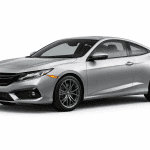
Honda Civic Coupe — efficient and durable Toyota GR86 — lightweight sports coupe Subaru BRZ — driver-focused handling Hyundai Veloster Turbo — sporty design and value
Performance Coupes
Ford Mustang — iconic American performance coupe Chevrolet Camaro — powerful V6 and V8 options BMW 4 Series — luxury performance coupe Toyota Supra — high-performance sports coupe
These vehicles frequently appear in conversations about the best coupes and long-term ownership potential.
Common Coupe Problems Owners Should Know
Drivers often ask a straightforward question:
Which coupe problems appear most frequently over time?
Below are several patterns commonly reported across the segment.
1. Transmission Wear
High-performance coupes often place greater stress on transmissions due to aggressive acceleration.
Common symptoms include:
Delayed gear engagement
Rough shifting
Transmission overheating
Routine fluid service helps reduce long-term wear.
2. Suspension Component Fatigue
Because coupes are frequently driven enthusiastically, suspension parts such as bushings, control arms, and shocks may wear faster than on standard commuter vehicles.
Performance-tuned suspensions also use firmer components that may require earlier replacement.
3. Electrical System Glitches
Modern coupes rely heavily on digital driver-assist features and infotainment systems.
Owners occasionally report issues involving:
display screens
backup cameras
driver-assist sensors
These issues are usually minor but can affect overall coupe reliability ratings.
3. High-Performance Engine Stress
Turbocharged engines and high-output V6 or V8 powertrains deliver impressive performance, but they may require stricter maintenance schedules.
Neglecting oil changes or cooling system service can lead to expensive repairs.
Recognizing these patterns helps drivers choose reliable coupes with fewer mechanical risks.
Vehicles built on reliable mainstream platforms—such as the Civic or Mustang—often remain among the most affordable coupes to maintain.
Best Coupes to Buy
Selecting the best coupes depends on priorities such as reliability, performance, and long-term ownership costs.
Below are several standout categories.
Most Reliable Coupes
Honda Civic Coupe — Proven Honda engineering with durable powertrains. Toyota GR86 — Lightweight design with a balanced, reliable engine. Ford Mustang EcoBoost — Well-tested turbo engine with widely available parts. BMW 4 Series — Strong build quality with refined engineering.
These vehicles consistently demonstrate strong coupe reliability while maintaining engaging performance.
Reliability insights referenced from vehicle safety and complaint data provided by the National Highway Traffic Safety Administration (NHTSA).
Best Used Coupes Under $20,000
Ford Mustang (2016–2018) Honda Civic Coupe (2017–2019) Subaru BRZ (2015–2017)
These models provide strong value without excessive repair risk.
Best Coupes for Driving Enthusiasts
Toyota Supra Chevrolet Camaro SS BMW M4
Drivers seeking maximum performance often gravitate toward these models.
Coupe Depreciation & Ownership Costs
Compared with SUVs, coupes sometimes depreciate slightly faster. However, well-known performance models often retain strong resale value.
Several factors influence depreciation:
Brand reputation
engine durability
enthusiast demand
limited production numbers
Models such as the Mustang and Supra maintain particularly strong used-market demand.
This platform analyzes depreciation trends, resale value behavior, and long-term ownership costs, helping drivers understand how mileage, maintenance, and timing shape real financial outcomes.