Car values in Canada are influenced by a wide range of variables, from economic trends and regional demand to vehicle condition and mileage. Whether you’re buying, selling, or trading in a car, knowing its current value is essential. This article provides a comprehensive overview of how car values are determined in Canada, with a focus on 2025 market conditions, how depreciation works, and how to evaluate your car’s worth accurately.
What Is Car Value?
Car value refers to the estimated worth of a vehicle at a particular time. This can vary based on:
Trade-in value (offered by a dealer when purchasing another vehicle)
Private sale value (what you can sell the car for directly)
Dealer retail value (what a dealer would sell the car for)
Insurance value (used to determine payouts in case of damage or total loss)
Key Factors That Influence Car Value in Canada
Make and Model: Some brands hold value better than others. Toyota, Honda, and Subaru are known for strong resale value due to reliability.
Vehicle Condition: A clean history with no major accidents and minimal wear boosts value.
Mileage: Lower mileage typically means a higher value. Canadian drivers average 15,000–20,000 km per year.
Market Demand: SUVs, trucks, and hybrids are in high demand, pushing up their values.
Location: Prices vary by province. For instance, trucks have higher resale value in Alberta than in Quebec.
Service History: A car with regular, documented maintenance tends to retain more value.
Accident History: Vehicles with a clean Carfax report command higher prices.
Fuel Type: As gas prices rise and EV incentives increase, hybrids and electric vehicles are gaining value.
Depreciation Schedule (Typical for a $40,000 Vehicle):
Year
Depreciated Value
% Value Lost
Notes
0 (New)
$40,000
0%
MSRP at purchase
1
$33,000
17.5%
Biggest drop
2
$27,500
31.25%
Warranties still valid
3
$23,000
42.5%
Midpoint of depreciation curve
5
$16,000
60%
Typical used car benchmark
10
$6,000
85%
Depreciation slows down
How to Determine Your Car’s Value
Several tools are available in Canada to calculate current vehicle value:
1. Canadian Black Book
Canada’s most trusted source.
Offers trade-in and average asking prices.
Used by dealers and banks.
2. Kelley Blue Book (Canada)
Popular for private sale and retail values.
Allows adjustment for mileage, features, and region.
3. CARFAX Canada Value Range
Provides valuation based on actual sales data in your area.
Also includes accident history insights.
4. AutoTrader.ca and Kijiji Autos
Marketplaces that show asking prices of similar vehicles in real-time.
Useful for comparing local market conditions.
Real-World Example: 2020 Honda Civic LX Valuation in May 2025
Let’s assume the car is in good condition with 80,000 km and no accident history in Ontario.
Sale Type
Estimated Value
Notes
Dealer Trade-In
$16,000
Lower, due to profit margin
Private Sale
$18,200
More profit, requires effort
Dealer Retail
$20,500
Dealer markup included
EVs and Hybrid Vehicles: A Special Case
As of 2025, electric and hybrid vehicles in Canada are retaining their value better than before. Factors include:
Federal and provincial rebates (e.g., up to $5,000 on new EVs)
Rising gas prices
Increasing public charging infrastructure
Popular Models Holding Value Well:
Toyota RAV4 Hybrid
Tesla Model 3
Hyundai Ioniq 5
Ford F-150 Lightning
Market Trends in 2025
Several trends are influencing car values in 2025:
1. Used Car Prices Stabilizing
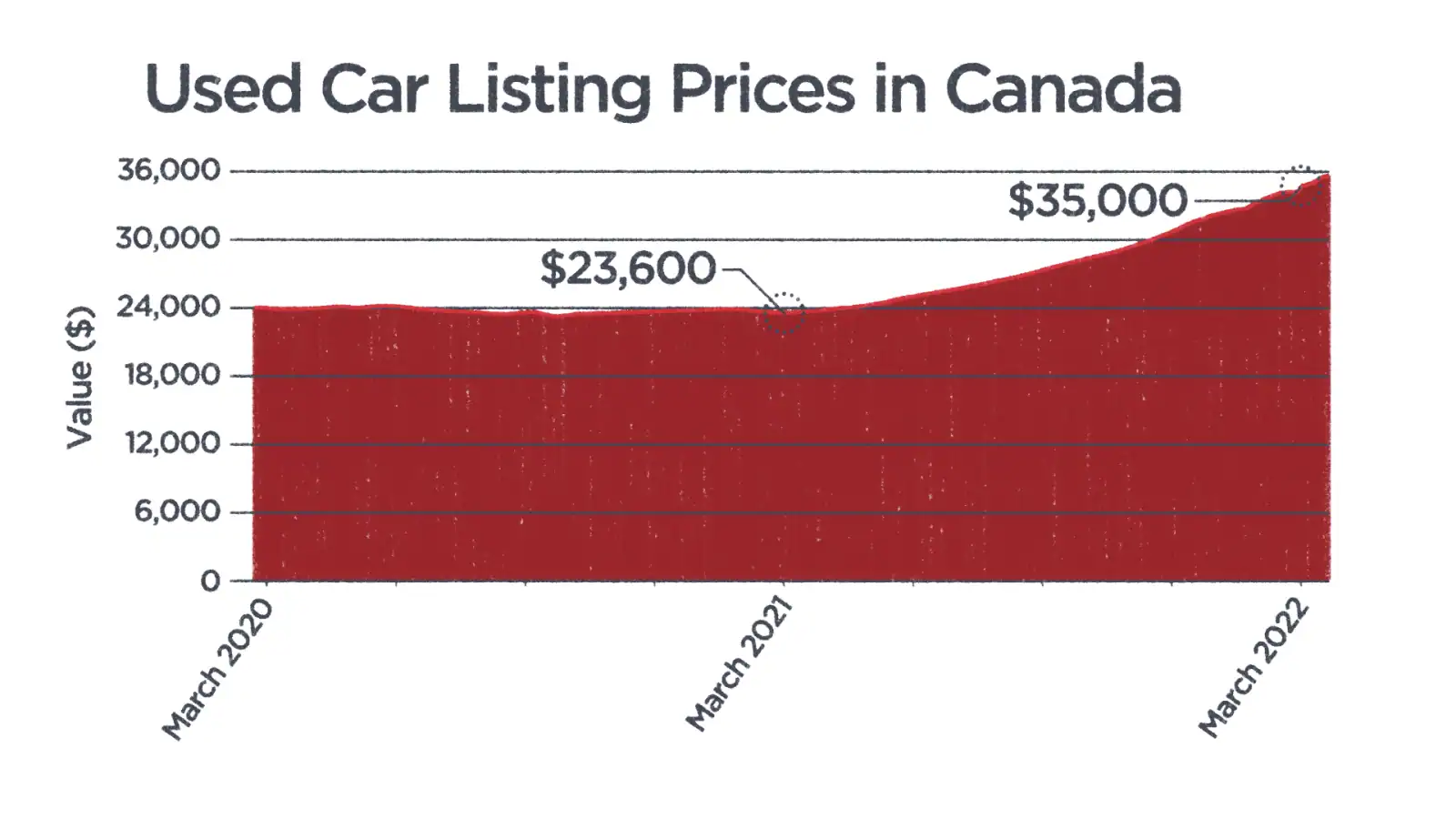
During the pandemic, used car prices surged due to new car shortages. As inventory levels normalize, prices have started to stabilize in most provinces.
2. Increased Demand for Fuel-Efficient Vehicles
Hybrids and EVs have seen a surge in resale value due to carbon tax hikes and fuel costs.
3. Luxury Car Depreciation Accelerating
High-end cars (e.g., BMW, Audi) still depreciate faster, especially beyond warranty years.
4. Rising Interest Rates Impact Financing
Higher financing costs are cooling the demand slightly, especially for non-essential or luxury vehicles.
Tips to Maximize Your Car’s Value
Keep Maintenance Records: Always log oil changes, services, and repairs.
Avoid Aftermarket Modifications: Mods may reduce value unless tasteful and well-documented.
Use Rust Protection: Especially important in provinces with heavy salt use in winter.
Sell Privately: You’ll often get 10–20% more than a trade-in.
Detail Your Car Before Listing: A clean car can appear 15–20% more valuable to buyers.
Provincial Variations in Car Value (Sample 2025 Comparison)
Province
Avg. Private Sale Value (2019 Corolla LE)
Notes
Ontario
$16,300
Balanced supply and demand
Alberta
$17,200
Higher demand for reliable used cars
Quebec
$15,200
Lower prices due to smaller resale market
BC
$17,000
EV incentives boost hybrid value
Nova Scotia
$15,500
Fewer buyers, slower market
Conclusion
Car values in Canada in 2025 are shaped by a mix of economic factors, vehicle attributes, and regional trends. Understanding these dynamics allows you to make informed decisions whether you’re selling, buying, or trading in your car. Use reputable valuation tools, maintain your vehicle properly, and stay informed about market shifts to get the most out of your vehicle’s value.
This platform analyzes depreciation trends, resale value behavior, and long-term ownership costs, helping drivers understand how mileage, maintenance, and timing shape real financial outcomes.