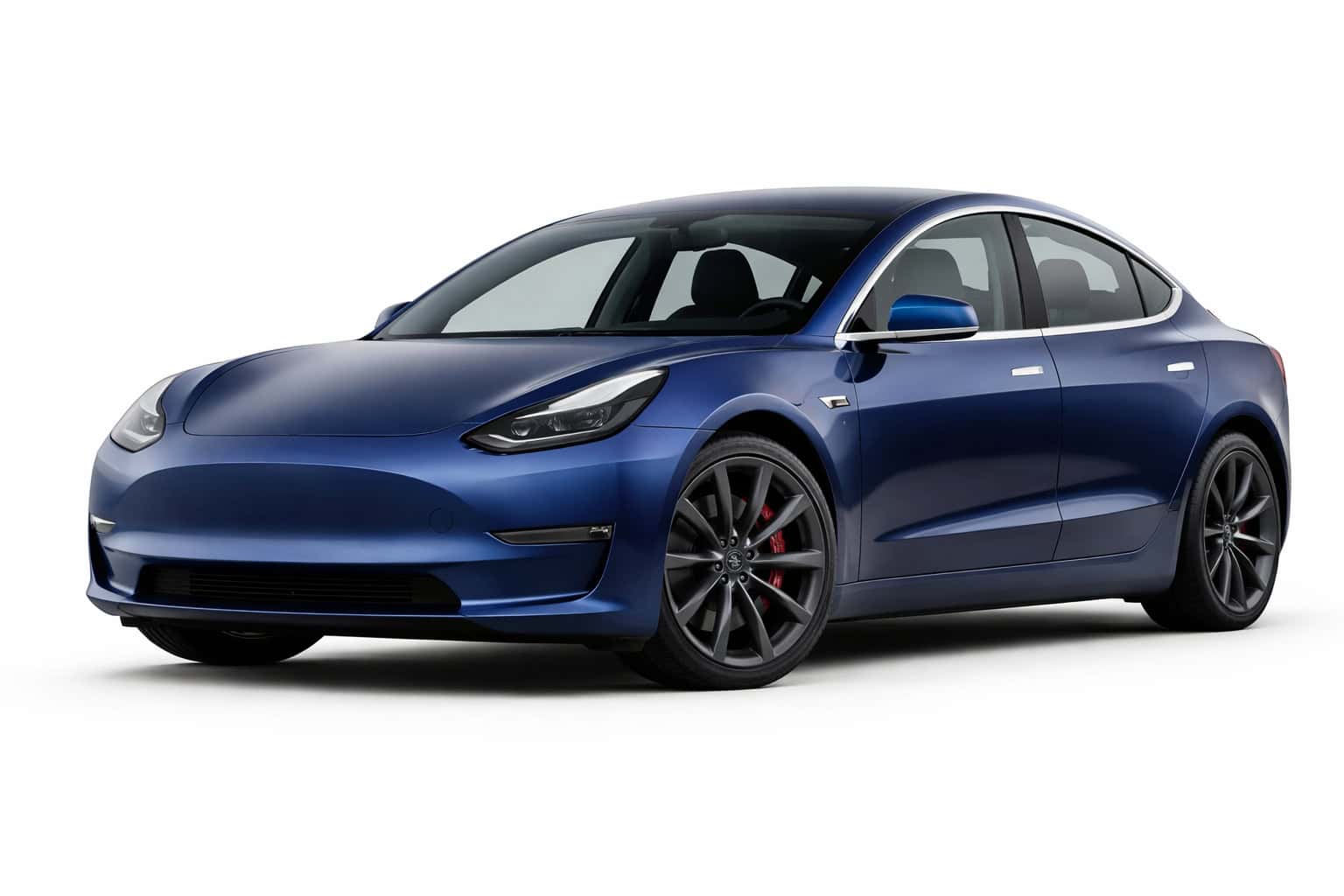
The Tesla Model 3 changes how ownership costs are distributed compared to traditional gasoline sedans. Fuel expenses drop sharply. Oil changes disappear entirely. That alone feels strange to many first time EV owners who spent years budgeting for gas stations, fluid changes, and engine maintenance. Real world ownership data shows the Model 3 remains one of the more affordable premium electric sedans to operate over a 5 to 10 year period, especially for drivers covering between 12000 and 15000 miles annually. Buyers comparing broader EV ownership patterns can also review the Ownership Cost Overview Understanding the Real Cost of Owning a Car guide.
Ownership costs still exist of course. Cars always find creative ways to request money eventually. The difference is where those costs appear. Early ownership years are dominated by depreciation and insurance. After year 5, tire wear, suspension servicing, HVAC repairs, and electronics become more noticeable. Battery degradation remains lower than many buyers originally feared. Most long term fleet studies show battery capacity often staying above 80% after 150000 miles under normal driving conditions. Electricity costs remain relatively predictable in most regions. Maintenance schedules stay light compared to turbocharged luxury sedans. That balance helps the Model 3 maintain stable ownership costs even as mileage increases over time. EPA efficiency data from the U.S. Department of Energy also supports the Model 3’s strong long term efficiency performance compared to many competing EVs.
Annual Ownership Costs Overview
Annual ownership costs for the Tesla Model 3 typically range between $4200 and $8900 depending on mileage, charging behavior, electricity pricing, insurance rates, climate, and depreciation trends. Drivers charging mainly at home during off peak hours usually remain closer to the lower end of that range. Owners relying heavily on public fast charging often see noticeably higher yearly operating expenses. The biggest ownership expense during the first several years is depreciation. Real ownership data suggests depreciation accounts for roughly 45% to 55% of total 5 year ownership spending. Insurance becomes the second largest recurring expense for many owners because EV collision repair complexity increases repair estimates after accidents. A small parking lot bump can suddenly involve cameras, sensors, calibration work, and enough invoices to make anyone stare silently at a wall for a few minutes.
Electricity generally represents only 8% to 14% of yearly ownership costs. Maintenance remains relatively low because there are no engine oil services, spark plugs, timing systems, or exhaust repairs. Tire wear becomes more important than many buyers expect due to instant torque delivery and heavier battery weight. That fun acceleration has a habit of turning rear tires into retirement plans for tire manufacturers.
Maintenance
Maintenance costs remain relatively low throughout most of the Tesla Model 3 ownership cycle. Most owners spend between $300 and $850 annually during the first 5 years depending on driving habits, climate conditions, mileage accumulation, and tire replacement frequency. The maintenance schedule focuses primarily on wear items and inspections rather than traditional engine related servicing. Owners estimating long term service expenses can also use the Maintenance Cost Calculator. Regenerative braking reduces brake wear significantly compared to gasoline vehicles. Many owners report brake pads lasting between 70000 and 100000 miles under normal commuting conditions. Cabin air filters, tire rotations, brake fluid inspections, and wheel alignments represent the most common routine service requirements. Coolant system inspections also become important later in ownership, particularly after higher mileage accumulation. Drivers wanting broader service education can also review the How Scheduled Maintenance Protects Your Vehicle guide.
Tire replacement becomes the largest recurring maintenance expense for many drivers. Instant EV torque and heavier curb weight accelerate tread wear faster than many compact sedans. Aggressive driving shortens tire lifespan quickly. The Model 3 responds instantly when drivers press the accelerator. Tires respond instantly too. Usually by quietly disappearing.
Service Item
Typical Interval
Estimated Cost
Tire Rotation
6000 to 8000 miles
$40 to $120
Cabin Air Filter
Every 2 years
$70 to $180
Brake Fluid Check
Every 2 years
$50 to $150
Tire Replacement
30000 to 45000 miles
$900 to $1800
Coolant Inspection
Every 4 years
$120 to $250
Wheel Alignment
As needed
$120 to $220
Owners maintaining proper tire pressure and smooth driving habits often reduce annual maintenance spending by 10% to 20%.
Repairs
Repair frequency remains relatively low during the first several ownership years. Most Tesla Model 3 vehicles avoid major mechanical repairs before 80000 miles, though smaller electronics, suspension noise, and HVAC related issues appear periodically in long term ownership reports. Suspension wear becomes more common after 90000 miles, especially in regions with rough pavement, potholes, or severe winter conditions. Buyers researching known long term issues can also review the Tesla Model 3 Problems Common Issues Fixes page.
Battery and drivetrain failures remain statistically uncommon compared to public perception. Long term fleet studies show most battery systems continue operating effectively beyond 150000 miles with moderate degradation rates. Electronics and sensor related repairs appear more frequently than catastrophic drivetrain failures. Door handles, cameras, touchscreen responsiveness, and charging system components generate many of the reported repair complaints at higher mileage. Independent EV repair facilities continue expanding across North America, helping reduce labor costs compared to dealership only servicing. That trend is becoming increasingly important as more high mileage Model 3 vehicles enter the used market. Drivers comparing repair pricing trends can also estimate future expenses using the Repair Cost Estimator.
Mileage Range
Common Repair Area
Typical Cost
50000 to 70000
Tire Replacement
$900 to $1800
70000 to 90000
Brake Service
$350 to $900
80000 to 110000
HVAC Repairs
$600 to $1800
90000 to 120000
Suspension Components
$700 to $2500
100000 to 120000
Electronics and Sensors
$400 to $2200
Repair costs vary significantly depending on labor rates, location, and whether aftermarket or OEM parts are used.
Insurance
Insurance costs for the Tesla Model 3 remain moderate to above average compared to traditional compact sedans. Most owners spend between $1700 and $3400 annually depending on age, driving history, region, coverage level, and annual mileage. Urban drivers generally face the highest premiums due to accident frequency and theft exposure. Buyers comparing insurance scenarios can also use the Car Insurance Cost Calculator.
Strong crash test ratings help offset some insurance expenses. Injury claim severity remains relatively low compared to many sports sedans. Collision repair complexity still raises premiums because aluminum body panels, integrated cameras, and driver assistance systems increase repair costs after accidents. According to the National Highway Traffic Safety Administration (NHTSA), the Tesla Model 3 continues receiving strong crash safety scores across multiple testing categories. Replacing a bumper on modern EVs can feel less like body repair and more like restarting a small satellite program.
Insurance pricing also varies heavily by trim level. Performance models often cost more to insure because of higher replacement values and increased accident risk statistics. Drivers under age 30 commonly pay 20% to 40% more than middle age drivers with similar coverage. Owners bundling home and auto insurance frequently reduce yearly premiums by several hundred dollars. Shopping rates annually also remains one of the simplest ways to reduce long term ownership expenses.
Energy Costs
Electricity costs remain one of the strongest ownership advantages for the Tesla Model 3. Most owners spend between $450 and $950 annually on charging while driving between 12000 and 15000 miles per year. Actual costs vary based on electricity pricing, charging behavior, weather conditions, terrain, and driving style. Home charging during off peak hours produces the lowest operating costs. Public DC fast charging increases yearly electricity expenses noticeably. Drivers using mainly home charging often spend thousands less over long term ownership compared to gasoline sedan owners averaging 28 to 32 MPG.
The Tesla Model 3 Long Range carries EPA efficiency ratings near 137 MPGe combined. Real world efficiency usually averages between 3.5 and 4.5 miles per kWh depending on wheel size, temperature, speed, and climate conditions. According to the U.S. Department of Energy , the Model 3 remains one of the most energy efficient EV sedans currently available in the U.S. market. Cold weather reduces efficiency because battery temperature management and cabin heating increase energy demand. Winter can reduce EV efficiency by 15% to 30% in colder regions. Batteries dislike freezing mornings almost as much as humans do.
Annual Electricity Cost Estimates by Mileage Driven
Annual Mileage
Estimated Charging Cost
8000 miles
$320 to $500
12000 miles
$480 to $700
15000 miles
$550 to $850
20000 miles
$750 to $1100
Drivers with stable home electricity rates generally experience the most predictable long term operating expenses.
Depreciation
Depreciation represents the largest ownership expense during the first several years of Tesla Model 3 ownership. Values typically decline between 12% and 18% annually during the first 3 years before slowing later in the ownership cycle. Market demand, battery condition, mileage, software support, and EV competition all influence long term resale behavior.
Unlike many traditional luxury sedans, the Model 3 often retains value reasonably well during years 5 through 10 because operating costs remain relatively low. Buyers searching for affordable used EVs continue supporting resale demand across many regions. According to Kelley Blue Book (KBB) resale tracking data, Tesla Model 3 values generally remain stronger than many competing luxury sedans after the first several ownership years.
Vehicles with lower mileage, healthy battery performance, and complete service histories generally maintain stronger resale values. Rapid EV market development still creates uncertainty for future resale pricing. Battery improvements, tax incentive changes, and new EV competition can shift used market values faster than traditional gasoline segments. Technology evolves quickly in the EV world. Sometimes faster than owners finish paying off the car.
Depreciation Curve (0–10 Years)
Year
Estimated Value Retained
Year 1
84%
Year 3
68%
Year 5
57%
Year 7
48%
Year 10
38%
Later year depreciation generally slows noticeably compared to the first several ownership years.
Year-by-Year Cost Breakdown (1–10 Years)
Ownership costs evolve gradually as the Tesla Model 3 ages. Early ownership years remain heavily influenced by depreciation and insurance. After year 6, maintenance and repair costs become more noticeable as suspension wear, electronics servicing, HVAC repairs, and tire replacement frequency increase. Electricity costs remain relatively stable across the ownership cycle unless charging behavior changes significantly. Drivers using home charging continue maintaining the lowest yearly operating expenses. High mileage drivers relying heavily on public charging usually see larger yearly cost increases over time.
Year
Main Cost Driver
Estimated Total Annual Cost
1
Depreciation
$8500 to $12000
2
Depreciation
$7000 to $9800
3
Depreciation
$6200 to $9000
4
Insurance + Electricity
$4800 to $7600
5
Tires + Insurance
$5000 to $7800
6
Maintenance + Repairs
$5200 to $8400
7
Suspension Wear
$5800 to $9200
8
Electronics + Repairs
$6200 to $9800
9
Repairs + Insurance
$6500 to $10400
10
Repair Frequency
$7000 to $11500
Long term ownership costs generally remain lower than many comparable gasoline luxury sedans despite increasing repair exposure later in life.
Maintenance & Repair Costs by Mileage
Maintenance behavior changes steadily as mileage increases. Early ownership mostly involves tire rotations, cabin filters, and alignments. Mid mileage ownership introduces brake servicing, HVAC inspections, and occasional suspension repairs. High mileage ownership increases the likelihood of electronics and component aging related repairs. Drivers maintaining proper tire pressure and avoiding aggressive launches often reduce tire replacement frequency significantly. Smooth driving habits matter more in EV ownership than many buyers initially realize. Instant torque is entertaining. Tire invoices are less entertaining.
Mileage Range
Common Services
Estimated Cost Range
0 to 30000
Tire Rotations, Filters
$150 to $600
30000 to 60000
Tires, Alignments
$1200 to $2400
60000 to 90000
Brake Service, HVAC
$1500 to $3200
90000 to 120000
Suspension, Electronics
$2500 to $6000
Long term maintenance costs remain relatively predictable compared to turbocharged gasoline luxury sedans with more complex engine servicing needs.
Cost Comparison vs Competitors
Compared to competing electric sedans, the Tesla Model 3 generally delivers lower operating costs across electricity usage, maintenance, and long term efficiency. Owners driving between 12000 and 15000 miles annually usually spend less on charging than drivers of heavier premium EV competitors. The Hyundai Ioniq 6 remains one of the closest competitors in total ownership affordability because of its excellent efficiency and low maintenance behavior. BMW i4 and Audi Q4 e tron ownership costs trend higher largely because of luxury repair pricing, higher insurance rates, and more expensive replacement parts. Polestar 2 ownership costs remain moderate overall, though tire and suspension wear can become more noticeable after higher mileage accumulation.
Vehicle
5 Year Ownership Cost
Annual Charging/Fuel Cost
Maintenance Trend
Tesla Model 3
$34000 to $47000
Low
Low
BMW i4
$42000 to $56000
Moderate
Moderate
Polestar 2
$41000 to $54000
Moderate
Moderate
Hyundai Ioniq 6
$35000 to $48000
Low
Low
Audi Q4 e tron
$46000 to $62000
Moderate
Higher
The Tesla Model 3 generally performs best in electricity efficiency testing, helping offset moderate insurance expenses over long term ownership.
What Owners Spend Over 5 Years
Five year ownership costs typically range between $34000 and $47000 depending on depreciation behavior, insurance rates, charging habits, electricity pricing, and annual mileage. Depreciation remains the largest ownership expense during this period, often accounting for nearly half of total spending. Unexpected repair costs remain relatively uncommon before 75000 miles. Most owners mainly deal with electricity, insurance, tires, and routine maintenance during the first several ownership years.
Cost Category
Estimated 5 Year Cost
Depreciation
$17000 to $24000
Electricity
$2800 to $4500
Insurance
$8500 to $15000
Maintenance
$1800 to $4500
Repairs
$1000 to $3500
Drivers using home charging and conservative driving habits generally stay near the lower end of these ownership estimates.
What Owners Spend Over 10 Years
Ten year ownership costs remain competitive for the premium EV segment despite increasing repair exposure later in life. Total ownership spending often falls between $72000 and $105000 depending on mileage, charging behavior, climate conditions, insurance trends, and long term repair frequency. Electricity continues remaining cheaper than gasoline in most regions. Maintenance costs rise gradually after year 6 as suspension wear, HVAC repairs, electronics servicing, and tire replacement frequency increase. Battery replacement remains statistically uncommon before 150000 to 200000 miles based on current long term fleet observations. Depreciation slows significantly after the first several ownership years. Vehicles maintaining strong battery health and complete maintenance histories usually preserve better resale values over time.
How to Reduce Ownership Costs
Owners can reduce Tesla Model 3 ownership expenses through consistent maintenance habits, efficient charging behavior, and smooth driving patterns. Charging primarily at home during off peak hours often lowers yearly electricity costs by 20% to 40% compared to relying mainly on public fast charging networks. Maintaining proper tire pressure improves efficiency while reducing uneven tire wear. Smooth acceleration also extends tire lifespan significantly. The car responds instantly to throttle input, which feels impressive for passengers and financially concerning for tires. Insurance shopping remains another major opportunity for savings. Comparing quotes annually can reduce premiums substantially because EV insurance pricing varies heavily between providers and regions. Preventative maintenance also helps reduce long term repair exposure. Small suspension noises and alignment problems usually become more expensive when ignored for extended periods.
Is the Tesla Model 3 Expensive to Own
The Tesla Model 3 remains one of the least expensive premium EV sedans to own over long periods. Electricity costs stay relatively low. Routine maintenance remains limited. Depreciation also stabilizes more effectively than many traditional luxury sedans after the early ownership years. Compared to similarly priced gasoline luxury vehicles, the Model 3 shifts spending away from fuel and engine maintenance toward insurance, tires, and electronics related repairs. Long term operating costs generally remain favorable for drivers with moderate annual mileage and reliable home charging access. Ownership affordability still depends heavily on local insurance rates and charging behavior. Drivers relying daily on expensive public fast chargers may lose part of the ownership cost advantage associated with EVs. Even then, the Model 3 usually remains cheaper to operate than many gasoline performance sedans over a 5 to 10 year period.
Tesla Model 3 Ownership Costs FAQ
No. Maintenance costs are lower than most gasoline sedans because the Model 3 does not require oil changes, transmission servicing, spark plugs, or exhaust repairs. Most owners spend between $300 and $850 annually during the first 5 years, with tires becoming the most common maintenance expense.
Most owners spend roughly $34000 to $47000 over 5 years depending on mileage, insurance rates, electricity pricing, depreciation, and charging habits. Depreciation usually accounts for the largest share of those costs.
Depreciation is usually the biggest ownership expense during the first 3 to 5 years. Insurance commonly becomes the second largest recurring cost, especially in urban areas with higher repair rates and insurance premiums.
Yes. The Model 3 generally retains value better than many luxury sedans because of strong demand, lower operating costs, and continued EV market growth. Most models retain around 55% of their original value after 5 years under average mileage conditions.
Repair costs are moderate overall, though some repairs can become expensive because of electronics, sensors, and collision repair complexity. Major battery or drivetrain failures remain relatively uncommon before 150000 miles based on current long term ownership data.
Not usually. Insurance costs are typically moderate to above average compared to compact sedans. Most owners spend between $1700 and $3400 annually depending on location, driving history, age, and coverage levels.
Conclusion
The Tesla Model 3 delivers one of the lowest long term ownership cost profiles in the premium EV segment. Electricity costs remain manageable. Maintenance stays predictable. Depreciation also slows noticeably after the first several ownership years, helping stabilize long term operating expenses. Not every ownership expense disappears with EV technology. Tires wear quickly. Insurance costs can surprise first time buyers. Electronics repairs also become more relevant as vehicles age and mileage increases. Even so, the overall ownership pattern remains favorable compared to many gasoline and luxury competitors over a 5 to 10 year period. For drivers prioritizing efficiency, low routine maintenance, and stable long term operating costs, the Tesla Model 3 continues standing out as one of the most cost effective electric sedans available today.
This platform analyzes depreciation trends, resale value behavior, and long-term ownership costs, helping drivers understand how mileage, maintenance, and timing shape real financial outcomes.