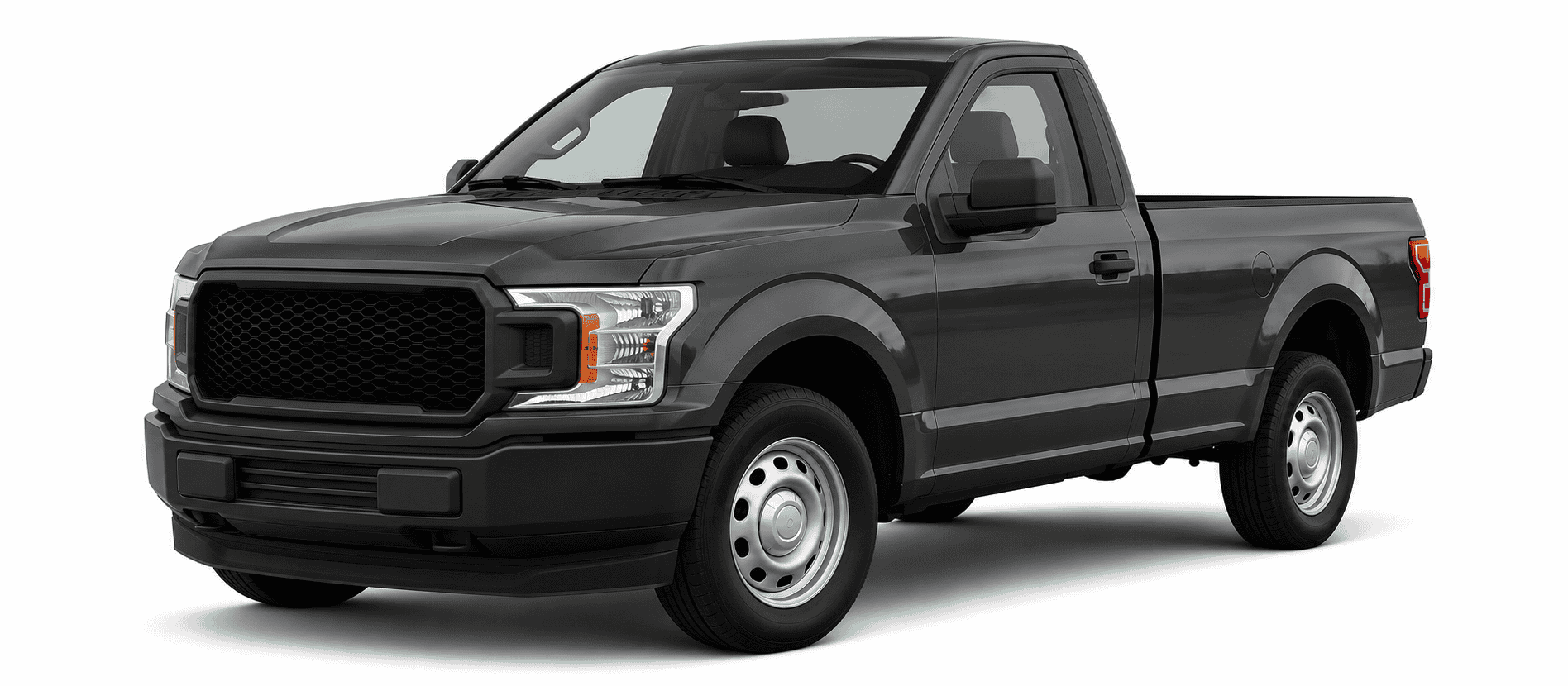
The 2019 Ford F150 XLT occupies one of the most important positions in the F150 lineup. Sitting directly above the work focused XL trim, it serves as the point where the truck begins to blend everyday comfort with serious capability. Buyers still receive the same aluminum body construction, fully boxed high strength steel frame, and broad range of powertrain options found throughout the F150 lineup, but the XLT introduces additional technology, convenience features, and appearance upgrades that make daily ownership more enjoyable.
A large percentage of used F150 shoppers specifically target the XLT because it strikes a balance that many competitors struggle to match. It can serve as a family vehicle during the week, tow a camper on weekends, and still handle work duties when needed. That versatility helps explain why the XLT remains one of the most common trims found in both the new and used truck markets. Configuration flexibility is another major advantage. Buyers could choose Regular Cab, SuperCab, or SuperCrew body styles. Multiple bed lengths, rear wheel drive or four wheel drive systems, and four available engines allowed buyers to tailor the truck to their exact needs. For many shoppers, the 2019 XLT represents the sweet spot of the F150 lineup because it provides meaningful upgrades over the XL without moving into the significantly higher purchase prices associated with luxury oriented trims.
2019 F150 XLT Engine Options
Engine selection affects nearly every aspect of ownership. Performance, towing capability, reliability expectations, resale value, fuel economy, and maintenance costs all depend heavily on the powertrain sitting under the hood. Ford offered four primary engine choices on the 2019 XLT.
Engine
Horsepower
Torque
Best For
3.3L V6
290 hp
265 lb ft
Budget focused ownership
2.7L EcoBoost V6
325 hp
400 lb ft
Daily driving and mixed use
5.0L V8
395 hp
400 lb ft
Heavy hauling and long term ownership
3.5L EcoBoost V6
375 hp
470 lb ft
Maximum towing capability
The 3.3L V6 serves as the entry level option. It delivers adequate performance for commuting, light hauling, and basic transportation duties. Buyers focused on minimizing purchase price often gravitate toward this engine. The 2.7L EcoBoost remains one of the most highly regarded engines in the F150 lineup. Its torque output matches the larger 5.0L V8 while maintaining competitive fuel economy. Many owners report that it feels noticeably stronger than its displacement suggests.
Traditional truck buyers frequently favor the 5.0L V8. The naturally aspirated design appeals to owners planning long term ownership and those who prefer simpler engine architecture without turbochargers. The 3.5L EcoBoost dominates towing discussions. With 470 lb ft of torque, it delivers the highest tow ratings available in many F150 configurations and remains popular among RV owners and contractors.
Ownership Goal
Recommended Engine
Lowest Purchase Cost
3.3L V6
Best Daily Driver
2.7L EcoBoost
Best Fuel Economy
2.7L EcoBoost
Best Overall Value
2.7L EcoBoost
Long Term Simplicity
5.0L V8
Maximum Towing
3.5L EcoBoost
Heavy Commercial Use
5.0L V8
For most buyers, the 2.7L EcoBoost represents the strongest overall package. Buyers who tow frequently should strongly consider the 3.5L EcoBoost, while long term owners often lean toward the 5.0L V8.
2019 F150 XLT Performance & Capability
Capability remains the foundation of the F150 platform. The XLT may add comfort and convenience features, but it sacrifices very little when it comes to towing and hauling performance. Maximum capability depends on several factors, including engine choice, axle ratio, cab configuration, drivetrain, and available towing packages.
Capability
Maximum Rating
Towing Capacity
Up to 13,200 lbs
Payload Capacity
Up to 3,270 lbs
At first glance, these ratings make the XLT look capable of handling almost any task a typical owner might encounter. However, maximum towing and payload figures represent ideal configurations equipped with specific engines, axle ratios, and towing packages. Most used trucks found on dealer lots will carry lower ratings. Even so, many configurations still provide enough capability for campers, boats, utility trailers, landscaping equipment, and recreational gear. Payload is often overlooked by buyers, yet it can be just as important as towing because it determines how much weight the truck can safely carry in the bed and cabin. Understanding how the truck will actually be used is often more valuable than focusing solely on the highest published number.
Usage
Recommended Engine
Daily Commuting
2.7L EcoBoost
Utility Trailer Towing
2.7L EcoBoost
Camper Towing
3.5L EcoBoost
Heavy Payloads
5.0L V8
Mixed Family Use
2.7L EcoBoost
Engine choice can significantly change the ownership experience. The 2.7L EcoBoost tends to appeal to buyers who want a balance of efficiency and performance, while the 3.5L EcoBoost becomes attractive when frequent towing enters the equation. Buyers who regularly carry heavy loads often appreciate the straightforward nature of the 5.0L V8. Selecting the right engine for your intended use usually provides greater long term satisfaction than simply choosing the most powerful option available.
Configuration
Typical Use
Regular Cab
Work truck and fleet use
SuperCab
Mixed work and family use
SuperCrew
Family transportation and daily driving
One reason the XLT remains so popular is that buyers can configure it to handle almost any task. A properly equipped SuperCrew can comfortably transport five passengers while towing a travel trailer that outweighs many SUVs. Available capability features include:
Four wheel drive
Trailer Tow Package
Integrated trailer brake controller
Electronic locking rear differential
FX4 Off Road Package
Hill descent control
Skid plates
Trailer sway control
Most owners never approach maximum capability ratings, but having additional capacity available often provides peace of mind.
2019 F150 XLT Interior & Features
The XLT is where the F150 begins to feel less like a work truck and more like a daily driver. While durability remains important, Ford added numerous features designed to improve comfort, convenience, and technology. Standard and commonly equipped features include:
Cloth seating
Carpet flooring
Power windows
Power door locks
Cruise control
SYNC infotainment system
Rear view camera
Bluetooth connectivity
Steering wheel controls
Many used truck shoppers view the XLT as the starting point for family friendly ownership because it introduces equipment that owners use every day.
Common XLT Features
Availability
Carpet Flooring
Standard
Cruise Control
Common
SYNC System
Standard
Apple CarPlay
Available
Android Auto
Available
Heated Seats
Available
Remote Start
Available
Ford Co-Pilot360
Available
These features help explain why the XLT remains one of the most popular trims in the used market. While the XL focuses heavily on utility, the XLT introduces many of the comfort and technology features owners interact with every day. Cruise control improves highway driving, smartphone integration simplifies navigation and media access, and available safety technologies help modernize the ownership experience. Buyers who spend significant time commuting often find these upgrades worth the additional purchase cost compared to a basic work oriented trim.
Feature
XL
XLT
Carpet Flooring
No
Yes
Cruise Control
Limited Availability
Common
Chrome Exterior Trim
Minimal
Standard On Many Models
SYNC System
Basic
More Common
Daily Comfort
Basic
Improved
Family Friendliness
Moderate
High
One reason buyers frequently choose the XLT is the availability of additional option packages. Common upgrades include:
Apple CarPlay
Android Auto
Remote start
Heated seats
Power driver seat
Dual zone climate control
Ford Co-Pilot360
Upgraded audio systems
Trailer backup assist
Many XLT trucks were heavily optioned when new. As a result, some examples can feel surprisingly close to a Lariat while maintaining a lower purchase price.
XLT vs XL
Many buyers struggle to decide between the XL and XLT. While both trims share the same platform and capability, the ownership experience differs noticeably.
Category
XL
XLT
Work Focus
Higher
Moderate
Interior Comfort
Basic
Improved
Technology
Limited
Better
Appearance
Simple
Upgraded
Family Use
Fair
Better
Resale Appeal
Good
Very Good
Daily Driving
Acceptable
More Comfortable
The choice ultimately comes down to how the truck will be used. Buyers focused primarily on work duties may find the XL provides everything they need. Those who expect the truck to serve as both transportation and a family vehicle often prefer the XLT because of its additional comfort and convenience features. The used market frequently rewards XLT models as well, since they appeal to a broader range of buyers when it comes time to sell.
2019 F150 XLT Fuel Economy
Fuel costs become increasingly important as annual mileage increases. Engine choice remains the single largest factor affecting fuel consumption.
Engine
EPA Combined MPG
3.3L V6 4×2
22 MPG
2.7L EcoBoost 4×2
22 MPG
5.0L V8 4×2
19 MPG
3.5L EcoBoost 4×2
20 MPG
Fuel economy differences appear relatively small on paper, but they can add up over years of ownership. Drivers covering 15,000 to 20,000 miles annually may notice meaningful differences in fuel spending, especially when fuel prices rise. Towing, aggressive acceleration, larger tires, and four wheel drive operation can all reduce real world efficiency. Buyers should view EPA ratings as a baseline rather than a guarantee of actual results.
Engine
Ownership Advantage
3.3L V6
Lowest complexity
2.7L EcoBoost
Strong performance with good efficiency
5.0L V8
Predictable towing performance
3.5L EcoBoost
Best towing capability
Owners who tow regularly should expect fuel economy to drop substantially regardless of engine choice. Larger tires, lift kits, roof accessories, and four wheel drive systems can also reduce efficiency.
2019 F150 XLT Common Problems
The majority of 2019 F150 XLT trucks provide dependable service, but buyers should understand several recurring issues that appear in owner reports and service records.
Problem Area
Frequency
Typical Repair Cost
10 Speed Transmission Behavior
Moderate
Software update to major repair
Cam Phaser Noise
Moderate
$1,500 to $3,500
5.0L Oil Consumption
Moderate
Varies
Door Lock Actuators
Low to Moderate
$150 to $500
SYNC Software Issues
Low to Moderate
Usually minor
Sensor Faults
Low
Varies
The 10 speed automatic transmission receives the most attention. Some owners report harsh shifting, hesitation, delayed engagement, or occasional gear hunting. Ford released multiple software updates intended to improve transmission behavior. Cam phaser noise remains one of the most discussed EcoBoost concerns. Symptoms often appear as a rattling noise during startup. While not every truck develops the issue, repairs can become expensive when components require replacement. Certain 5.0L V8 trucks generated complaints regarding oil consumption. Buyers should review maintenance records carefully and verify that regular service was performed. Before purchasing a used 2019 F150 XLT:
Verify transmission software updates
Listen for startup rattles
Review service records
Check oil level and maintenance history
Test all door locks
Verify SYNC operation
Confirm recall work completion
Test trailer wiring connections if equipped
A thorough inspection can prevent expensive surprises later.
2019 F150 XLT Reliability Overview
Reliability remains one of the strongest reasons buyers continue shopping for used F150s. The XLT benefits from the same underlying engineering found throughout the broader lineup. Many properly maintained examples continue operating well beyond 150,000 miles.
Reliability Category
Assessment
Engine Reliability
Above Average
Chassis Durability
Above Average
Corrosion Resistance
Above Average
Electronics
Average
Transmission
Average
Overall Reliability
Above Average
The reliability ratings reflect common ownership experiences rather than guarantees. Engine durability remains one of the truck’s strongest attributes, particularly when routine maintenance is performed consistently. Electronics and transmission systems tend to generate more owner complaints than major engine failures, which helps explain their average ratings. Most reliability concerns reported by owners involve specific components rather than widespread catastrophic failures.
Mileage Range
Typical Ownership Experience
0 to 75,000 Miles
Mostly routine maintenance
75,000 to 150,000 Miles
Tires, brakes, batteries, wear items
150,000 to 200,000+ Miles
More repairs but often dependable
Maintenance history matters far more than trim level. A well maintained high mileage truck often proves more reliable than a neglected low mileage example.
2019 F150 XLT Ownership Costs
Purchase price represents only one portion of ownership expenses. Fuel, insurance, maintenance, repairs, tires, brakes, batteries, and depreciation all contribute to long term costs.
Ownership Category
Typical Annual Cost
Fuel
$2,000 to $4,500
Insurance
$1,200 to $2,300
Maintenance
$500 to $1,300
Repairs
$300 to $1,800
Actual ownership costs vary considerably depending on driving habits, mileage, geographic location, and maintenance practices. A truck used primarily for commuting will often cost less to operate than one regularly towing trailers or carrying heavy loads. Preventative maintenance can also play a significant role in controlling long term expenses. Buyers who budget only for fuel often underestimate the total cost of ownership over several years.
Ownership Period
Common Expenses
Years 1 to 3
Fuel, insurance, maintenance
Years 4 to 6
Tires, brakes, battery replacement
Years 7+
Suspension repairs, wear items, aging components
Common maintenance items include:
Service Item
Typical Cost
Oil Change
$60 to $140
Brake Service
$300 to $900
Battery Replacement
$150 to $350
Tire Replacement
$800 to $1,600
Alignment
$100 to $250
The XLT strikes a useful balance between comfort and complexity. It offers more features than the XL without exposing owners to the repair costs often associated with luxury trims.
2019 F150 XLT Towing & Payload
Towing ratings vary dramatically depending on equipment. Two trucks parked side by side can have very different capability ratings despite appearing nearly identical.
Engine
Maximum Towing
3.3L V6
Up to 7,700 lbs
2.7L EcoBoost
Up to 9,000 lbs
5.0L V8
Up to 11,600 lbs
3.5L EcoBoost
Up to 13,200 lbs
These ratings highlight how dramatically capability changes depending on engine selection. While the 3.3L V6 handles lighter towing duties effectively, buyers who frequently tow campers, enclosed trailers, or larger recreational equipment often gravitate toward the 3.5L EcoBoost. The 5.0L V8 remains a popular choice among owners who value payload capacity and traditional V8 characteristics. Matching the engine to the intended workload remains one of the most important decisions a buyer can make.
Payload capacity can reach approximately 3,270 lbs when properly configured. Several factors influence towing capability:
Engine choice
Cab configuration
Bed length
Axle ratio
Drivetrain
Trailer Tow Package
Many buyers become confused when their truck’s rating differs from advertised maximum figures. In most cases, cab size, drivetrain selection, axle ratio, or missing towing packages explain the difference. Always verify ratings using the driver’s door sticker and towing information label.
2019 F150 XLT Specs Summary
The 2019 F150 XLT blends work truck capability with everyday comfort. For many buyers, it represents the point where the F150 becomes equally useful as a family vehicle and a work truck.
Specification
Details
Generation
Thirteenth Generation
Available Cabs
Regular Cab, SuperCab, SuperCrew
Drivetrain
4×2 or 4×4
Engines
3.3L V6, 2.7L EcoBoost, 5.0L V8, 3.5L EcoBoost
Transmission
Ford 10 Speed Automatic
Maximum Towing
Up to 13,200 lbs
Maximum Payload
Up to 3,270 lbs
Seating Capacity
Up to 6 Passengers
Fuel Tank Capacity
23 to 36 Gallons
Should You Buy A 2019 Ford F150 XLT?
Yes. For many buyers, the XLT represents the best balance in the entire F150 lineup. It provides substantially more comfort, technology, and convenience than the XL while avoiding much of the cost associated with higher trims. Buyers seeking a truck that can function as a family vehicle, daily commuter, work truck, and weekend tow vehicle will likely find the 2019 F150 XLT one of the strongest values in the used full size truck market.
This platform analyzes depreciation trends, resale value behavior, and long-term ownership costs, helping drivers understand how mileage, maintenance, and timing shape real financial outcomes.