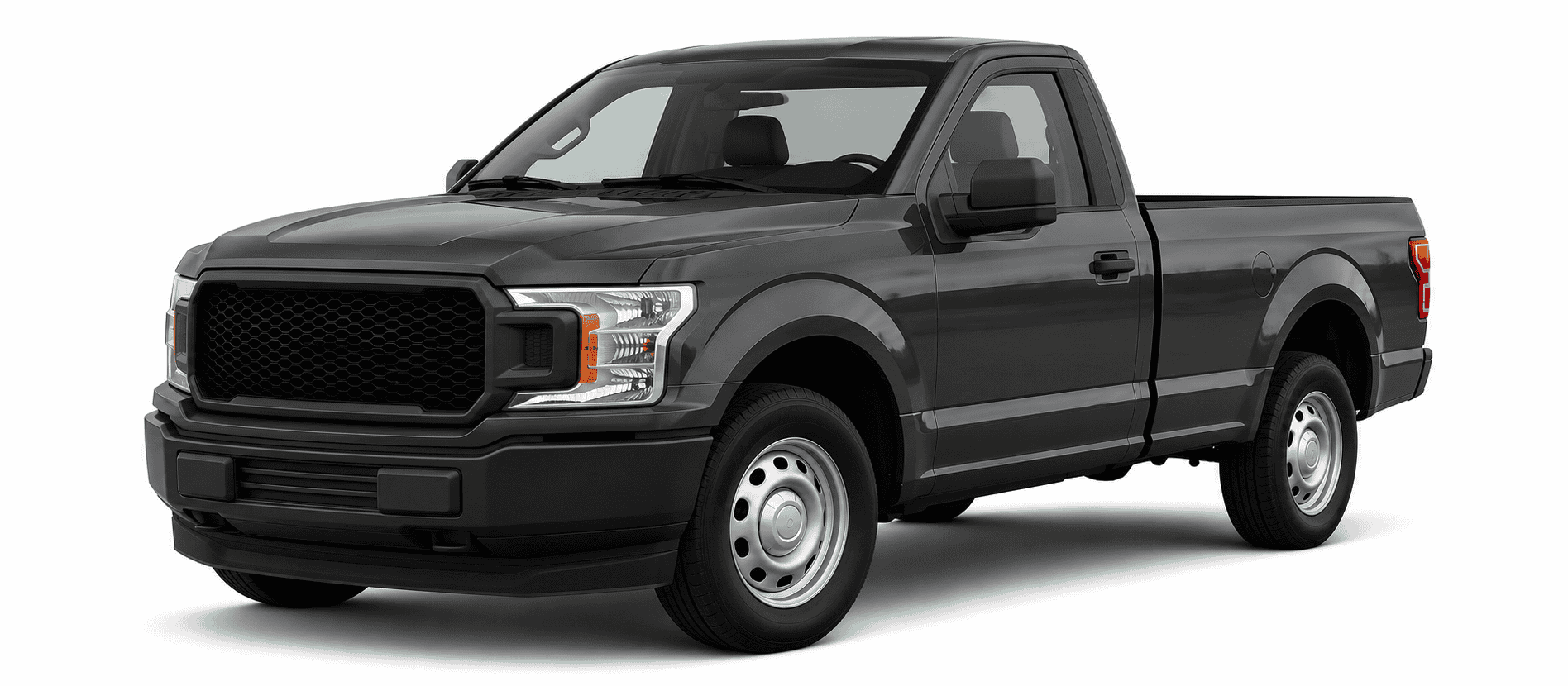
The 2019 Ford F150 Platinum sits near the top of the F150 lineup and was designed for buyers who wanted luxury vehicle comfort without giving up the capability expected from a full size pickup truck. While work focused trims concentrate primarily on utility, the Platinum combines strong towing and hauling capability with premium materials, advanced technology, and a more refined driving experience.
By 2019, the Platinum had established itself as one of the most recognizable luxury truck trims in the segment. It competed not only against other premium pickups but also against many luxury SUVs. Features such as high end leather seating, advanced driver assistance systems, large touchscreen technology, and upscale cabin materials helped separate it from lower trims. At the same time, it retained access to the same engines, towing equipment, and truck functionality that made the F150 one of the most popular vehicles in North America.
For used truck buyers, the Platinum often represents an attractive option because depreciation has already removed a significant portion of the original purchase price while many of the premium features remain just as useful today. Understanding the available engines, ownership costs, reliability trends, capability ratings, and feature content can help determine whether the 2019 F150 Platinum remains the right truck for your needs.
2019 F150 Platinum Engine Options
Engine selection remains one of the most important factors influencing truck ownership. The engine affects acceleration, towing confidence, fuel consumption, maintenance expectations, and overall driving satisfaction. Two Platinum trucks may look identical from the outside yet provide noticeably different ownership experiences depending on the powertrain under the hood.
Ford offered multiple engine choices for the Platinum trim during the 2019 model year. Each engine served a different purpose. Some buyers prioritized towing capability, others focused on long term ownership simplicity, while some wanted the best possible balance between performance and efficiency. Understanding these differences before purchase often helps buyers avoid paying for capability they may never use or sacrificing features that matter most during daily driving.
Engine
Horsepower
Torque
Best For
5.0L V8
395 hp
400 lb ft
Traditional truck ownership
3.5L EcoBoost V6
375 hp
470 lb ft
Towing and performance
Although horsepower often receives the most attention during vehicle comparisons, torque frequently plays a larger role in real world truck use. The 3.5L EcoBoost produces substantially more torque than the V8, which contributes to stronger towing performance and improved acceleration when hauling heavier loads. Meanwhile, the naturally aspirated 5.0L V8 continues attracting buyers who appreciate traditional V8 characteristics and straightforward power delivery.
The numbers also demonstrate that neither engine is objectively superior. Instead, each appeals to different ownership priorities. Buyers planning regular trailer use often gravitate toward the EcoBoost, while those who value naturally aspirated performance frequently remain loyal to the V8.
Ownership Goal
Recommended Engine
Frequent Towing
3.5L EcoBoost
Best Torque Output
3.5L EcoBoost
Traditional V8 Ownership
5.0L V8
Long Term Simplicity
5.0L V8
Maximum Capability
3.5L EcoBoost
The recommendations above reflect how these engines typically perform throughout ownership. The 3.5L EcoBoost excels when towing becomes a frequent part of daily life, while the 5.0L V8 remains a popular choice among buyers who prefer naturally aspirated power delivery and familiar truck characteristics. Buyers seeking additional long term ownership insight may also find the Ford F150 Reliability Guide helpful when evaluating engine related considerations.
2019 F150 Platinum Performance & Capability
Capability remains one of the primary reasons buyers continue choosing the F150 platform. While the Platinum trim is known for its luxury oriented interior and premium technology features, it retains the same core truck capabilities that helped establish the F150 as one of the most popular full size pickups on the market. Buyers looking at the Platinum are often seeking a vehicle that can serve multiple roles. It may spend Monday commuting to work, Friday hauling supplies, and Saturday towing a travel trailer or boat.
One important point that many shoppers overlook is that towing and payload ratings are not the same thing. Towing capacity refers to how much weight the truck can pull behind it, while payload refers to how much weight the truck can carry within the vehicle itself. Passengers, cargo, tools, hitch weight, and aftermarket accessories all count toward payload. Because of this, some owners reach their payload limit before ever approaching the maximum towing capacity. Understanding both ratings provides a much more accurate picture of real world capability. The figures below represent the highest available ratings when the truck is properly equipped.
Capability
Maximum Rating
Towing Capacity
Up to 13,200 lbs
Payload Capacity
Up to 2,300 lbs
These ratings place the 2019 Platinum among the more capable half ton trucks available during its model year. For perspective, many family travel trailers weigh between 4,000 and 8,000 lbs when loaded for a trip. Larger campers often exceed 10,000 lbs, while many recreational boat trailers fall between 3,000 and 8,000 lbs depending on the vessel. A properly equipped Platinum can comfortably handle many of these workloads while still providing the comfort and refinement expected from a luxury truck.
The towing figure often receives most of the attention, but the payload rating is equally important. Consider a family of five traveling with luggage, camping gear, a cooler, and trailer hitch weight. Those items can quickly consume a significant portion of the truck’s available payload capacity. This is why buyers should evaluate how they actually plan to use the vehicle rather than focusing exclusively on the highest advertised towing number. Capability alone does not determine which engine represents the best choice. Daily driving habits, trailer frequency, cargo requirements, and long term ownership goals all influence which powertrain makes the most sense.
Usage
Recommended Engine
Daily Driving
5.0L V8
Family Transportation
5.0L V8
Heavy Trailer Use
3.5L EcoBoost
Recreational Towing
3.5L EcoBoost
Mixed Ownership Duties
3.5L EcoBoost
The recommendations above reflect how each engine typically performs during real world ownership. The 5.0L V8 remains popular among buyers who value predictable naturally aspirated power delivery and a traditional truck driving experience. For many owners who primarily commute, transport passengers, and occasionally tow, the V8 provides more than enough capability. The 3.5L EcoBoost becomes increasingly attractive as towing demands increase. Its additional torque helps improve acceleration under load, supports highway merging while towing, and can make climbing steep grades feel less stressful. Buyers who regularly tow campers, enclosed trailers, or heavier recreational equipment often appreciate these advantages over the course of ownership.
Cab configuration and factory equipment packages also influence overall capability. Two Platinum trucks equipped with different axle ratios, drivetrains, or towing packages may have noticeably different ratings despite sharing the same trim designation. Buyers should therefore verify the exact specifications of the truck they intend to purchase rather than assuming every Platinum offers identical capability. Available capability features include:
Four wheel drive
FX4 Off Road Package
Trailer Tow Package
Integrated trailer brake controller
Trailer sway control
Electronic locking rear differential
Hill descent control
Skid plates
These features help support the truck’s versatility across a wide range of driving conditions. Whether the goal is towing a camper across several states, launching a boat at a marina, navigating winter roads, or handling occasional off road travel, the Platinum combines luxury and utility in a way that few vehicles can match.
2019 F150 Platinum Interior & Features
The Platinum trim distinguishes itself most clearly inside the cabin. While lower trims focus heavily on utility, the Platinum prioritizes comfort, convenience, and technology. Buyers stepping into the truck immediately notice upgraded materials, premium seating surfaces, and a more refined atmosphere compared with work oriented models. Many owners spend far more time inside the cabin than they do towing or hauling. Long commutes, family road trips, business travel, and everyday errands place greater emphasis on comfort than maximum payload capacity. This reality helps explain why premium truck trims continue attracting strong demand in both the new and used vehicle markets.
Common equipment includes:
Platinum leather seating
Heated front seats
Ventilated front seats
Heated rear seats
SYNC 3 infotainment system
Apple CarPlay
Android Auto
Premium audio system
Remote start
Push button start
Power adjustable pedals
Large touchscreen display
Many of these features remain desirable today despite the truck’s age. Smartphone integration, heated seating, and advanced convenience features continue influencing buying decisions among used vehicle shoppers.
Feature
Availability
Leather Seating
Standard
Heated Front Seats
Standard
Ventilated Front Seats
Standard
Heated Rear Seats
Standard
Apple CarPlay
Standard
Android Auto
Standard
Remote Start
Standard
Premium Audio
Standard
The table highlights why many buyers specifically seek Platinum models in the used market. Features that may have been optional on lower trims often come standard here. For drivers covering thousands of miles annually, these upgrades contribute to comfort and overall ownership satisfaction every time the truck is used. The feature content also supports resale appeal. Modern connectivity features, premium seating, and luxury oriented amenities continue attracting buyers years after production ended. This helps explain why well maintained Platinum models often remain desirable even as they accumulate mileage.
Platinum vs King Ranch
The Platinum and King Ranch occupy similar positions within the F150 lineup and frequently attract the same buyers. Both trims offer premium interiors, strong capability, advanced technology, and luxury focused ownership experiences. The decision often comes down to styling preferences and specific feature content rather than mechanical differences. Many used truck shoppers compare these trims directly because pricing often overlaps in the secondary market. Understanding their differences helps buyers focus on the features that matter most during ownership rather than simply selecting the more expensive option.
Category
King Ranch
Platinum
Interior Style
Western Inspired
Modern Luxury
Technology
High
Higher
Cabin Materials
Premium
Premium
Daily Comfort
Excellent
Excellent
Luxury Focus
High
Very High
Resale Demand
Strong
Strong
The table illustrates that both trims deliver similar overall experiences while emphasizing different personalities. The King Ranch appeals to buyers who appreciate its distinctive styling and unique interior treatments. The Platinum leans more heavily toward luxury and technology, creating an ownership experience that feels closer to a premium SUV. Neither trim is objectively better. Buyers who prefer a more traditional premium truck atmosphere often favor the King Ranch, while those seeking the highest level of luxury within the F150 lineup frequently gravitate toward the Platinum.
2019 F150 Platinum Fuel Economy
Fuel economy remains one of the most important ownership considerations for any full size truck buyer. While towing capacity, horsepower, luxury features, and technology often dominate the shopping process, fuel costs continue affecting ownership every time the truck leaves the driveway. Over several years of ownership, fuel expenses can easily exceed many maintenance and repair costs, making efficiency an important part of the overall ownership equation.
The 2019 F150 Platinum offered two primary engine choices, and each approaches the balance between performance and efficiency differently. Buyers who regularly commute long distances may prioritize fuel economy more heavily than someone using the truck primarily for towing or occasional recreational use. Driving habits also play a significant role. A Platinum that spends most of its life on the highway will often produce very different results than one frequently towing trailers, carrying cargo, or operating in stop and go city traffic. The EPA estimates below provide a useful baseline for comparing the available engines.
Engine
EPA Combined MPG
5.0L V8 4×2
19 MPG
3.5L EcoBoost 4×2
20 MPG
At first glance, the difference between 19 MPG and 20 MPG may appear insignificant. Many buyers look at these figures and assume fuel costs will be virtually identical. However, even small efficiency differences can become more noticeable as annual mileage increases. A driver covering 25,000 miles per year will purchase substantially more fuel than someone driving 8,000 miles annually. Over several years of ownership, those small differences can gradually add up.
The table also highlights an important reality of the Platinum trim. Buyers are not sacrificing a dramatic amount of fuel economy regardless of engine choice. Both powertrains deliver relatively similar EPA ratings, which allows buyers to focus more heavily on capability, driving characteristics, and ownership preferences rather than chasing a major efficiency advantage. For many owners, the difference between these engines becomes less about MPG and more about how the truck performs during daily use and towing situations.
Real world fuel economy often differs from EPA estimates. Factors such as trailer use, cargo weight, weather conditions, terrain, tire selection, axle ratio, and driving style can all influence actual fuel consumption. Owners who frequently tow heavy trailers may experience significantly lower fuel economy than official estimates, while highway focused drivers occasionally achieve results that meet or exceed EPA ratings under favorable conditions. Fuel economy is only one part of the ownership picture. The engine that delivers the best overall ownership experience may not necessarily be the one with the highest MPG rating.
Engine
Ownership Advantage
5.0L V8
Traditional Ownership Experience
3.5L EcoBoost
Better Efficiency and Towing
The ownership advantages shown above help explain why both engines continue attracting buyers in the used market. The 5.0L V8 appeals to drivers who prefer naturally aspirated performance and traditional V8 characteristics. Many buyers appreciate its predictable power delivery, familiar driving feel, and long standing reputation within the truck segment.
The 3.5L EcoBoost takes a different approach. Its combination of strong torque output, impressive towing capability, and slightly improved efficiency makes it particularly attractive to owners who regularly pull trailers or carry heavier loads. The additional torque becomes especially noticeable during highway merging, passing maneuvers, and hill climbing while towing.
Ultimately, fuel economy should be viewed as part of a larger ownership strategy rather than an isolated specification. Buyers who primarily commute without towing may place greater emphasis on efficiency, while those frequently hauling campers, boats, or equipment often prioritize capability. Selecting the engine that best matches your actual driving habits will usually have a greater impact on long term ownership satisfaction than focusing solely on a one MPG difference in official fuel economy ratings.
2019 F150 Platinum Common Problems
No vehicle is completely free of problems, and the 2019 F150 Platinum is no exception. While many owners report positive long term experiences, several concerns appear more frequently than others. Understanding these issues allows buyers to perform more informed inspections and identify potential concerns before completing a purchase.
The F150 was produced in extremely large numbers, which means even relatively uncommon problems can generate substantial online discussion. Buyers should therefore focus on recurring trends while also evaluating the condition and maintenance history of the specific truck being considered.
Problem Area
Frequency
Typical Repair Cost
10 Speed Transmission Behavior
Moderate
Software update to major repair
Cam Phaser Noise
Moderate
$1,500 to $3,500
5.0L Oil Consumption
Moderate
Varies
SYNC Software Issues
Low to Moderate
Usually minor
Door Lock Actuator Failure
Low to Moderate
$150 to $500
Sensor Faults
Low
Varies
The table highlights an important distinction between major concerns and minor annoyances. Software related issues and actuator failures can be frustrating, but they generally do not carry the same significance as engine or transmission related repairs. Buyers should therefore focus their inspection efforts on the most expensive potential problem areas.
Transmission behavior remains one of the most frequently discussed ownership topics. Some drivers report harsh shifting, hesitation, or occasional gear hunting. The Ford F150 Problems Common Issues Fixes guide examines these concerns in greater detail alongside cam phaser noise and oil consumption complaints. However, many trucks never develop serious issues, particularly when maintenance schedules and software updates have been followed consistently. Before purchasing a used Platinum:
Verify transmission software updates
Listen for startup rattles
Review maintenance records
Test infotainment functions
Confirm recall completion
Verify four wheel drive operation
Check for warning lights
2019 F150 Platinum Reliability Overview
Reliability remains one of the primary reasons buyers continue shopping for used F150 models. The truck has spent years serving as a daily commuter, family vehicle, work truck, and tow vehicle for millions of owners. That large ownership base provides a substantial amount of real world data regarding durability, maintenance requirements, repair trends, and long term ownership experiences. While no vehicle is completely immune to problems, the 2019 Platinum benefits from a platform that had already undergone years of refinement by the time this model year arrived.
It is also important to remember that reliability involves much more than simply asking whether the engine is dependable. Buyers should evaluate the entire vehicle. Engine durability, transmission performance, chassis strength, corrosion resistance, electronics, and maintenance history all contribute to the overall ownership experience. A truck may have a durable engine but still generate frustration if other systems require frequent attention. The table below provides a general overview of how the major systems in the 2019 F150 Platinum typically perform over time.
Reliability Category
Assessment
Engine Reliability
Above Average
Chassis Durability
Above Average
Corrosion Resistance
Above Average
Electronics
Average
Transmission
Average
Overall Reliability
Above Average
The ratings highlight one of the Platinum’s biggest strengths. Core mechanical components generally perform well when maintained properly. Engine failures remain relatively uncommon compared with the number of trucks sold, and the frame, suspension structure, and drivetrain components have developed a reputation for handling substantial mileage. This helps explain why it is not unusual to find F150s with well over 150,000 miles still serving as daily drivers, work trucks, or towing vehicles.
The table also identifies where many ownership complaints tend to originate. Electronics and transmission systems generate more discussion than major engine or chassis failures. Some owners report shifting concerns, software glitches, sensor faults, or infotainment related issues. However, it is important to place these concerns in proper context. Modern trucks contain significantly more technology than previous generations, which naturally creates additional opportunities for minor issues to appear. Buyers interested in specific problem trends should also review the Ford F150 Problems Common Issues Fixes guide, which examines several commonly reported concerns in greater detail.
Reliability expectations change as mileage accumulates. A truck with 40,000 miles faces very different maintenance requirements than one approaching 200,000 miles. Understanding how ownership evolves over time helps buyers set realistic expectations and budget appropriately for future maintenance.
Mileage Range
Typical Ownership Experience
0 to 75,000 Miles
Mostly routine maintenance
75,000 to 150,000 Miles
Tires, brakes, batteries, wear items
150,000 to 200,000+ Miles
Increased repairs but often dependable
The mileage table illustrates how reliability and maintenance become increasingly connected as a vehicle ages. During the first stage of ownership, many trucks require little more than routine services such as oil changes, tire rotations, filters, and fluid inspections. As mileage climbs beyond 75,000 miles, wear items begin demanding more attention. Brake components, batteries, tires, suspension parts, and other consumable items gradually become a larger part of the ownership budget.
Reaching 150,000 miles does not automatically mean a truck becomes unreliable. In many cases, a properly maintained F150 can continue providing dependable service for years beyond that milestone. What changes is the likelihood of repairs. Components naturally wear with age and use, which means owners should expect a higher frequency of maintenance and repair activity compared with a lower mileage example. This is true for virtually every vehicle regardless of manufacturer.
Maintenance history remains one of the most important factors affecting long term ownership outcomes. A Platinum with 170,000 miles and complete service records may represent a safer purchase than a neglected truck showing half that mileage. Fluid change records, documented repairs, preventative maintenance, and evidence of consistent care often provide a clearer picture of future reliability than the odometer alone. Buyers seeking additional long term ownership insight should review the Ford F150 Reliability Guide before making a final purchasing decision.
2019 F150 Platinum Ownership Costs
Purchase price is only one piece of the overall ownership equation. While many buyers spend significant time comparing vehicle listings and negotiating purchase prices, the long term costs of operating a truck often have a greater impact on the ownership experience. Fuel expenses, insurance premiums, routine maintenance, repairs, tires, and depreciation continue affecting the budget long after the initial purchase is complete. Understanding these costs before buying helps owners avoid surprises and build more realistic expectations for long term ownership.
Ownership costs can also vary dramatically from one driver to another. A Platinum used primarily for commuting may cost significantly less to operate than a truck that regularly tows campers, boats, construction equipment, or enclosed trailers. Driving habits, annual mileage, local labor rates, fuel prices, insurance markets, and maintenance practices all influence total ownership expenses. Two owners driving nearly identical trucks can report very different operating costs simply because they use the vehicle in different ways. The table below provides a general overview of the annual expenses many Platinum owners may encounter.
Ownership Category
Typical Annual Cost
Fuel
$2,000 to $5,000
Insurance
$1,300 to $2,800
Maintenance
$700 to $1,700
Repairs
$300 to $2,500
Fuel typically represents the largest recurring expense for most owners. Drivers covering 20,000 to 25,000 miles per year will generally spend much more on fuel than those who only use the truck occasionally. Insurance costs vary based on driving history, location, coverage levels, and vehicle value. Maintenance expenses tend to remain relatively predictable when service schedules are followed consistently, while repair costs can fluctuate more significantly depending on mileage and vehicle condition.
The table also highlights an important reality of truck ownership. Fuel, insurance, maintenance, and repairs do not operate independently. A truck that is driven more frequently often incurs higher costs across multiple categories simultaneously. Increased mileage usually means more fuel consumption, faster tire wear, more frequent maintenance visits, and a greater likelihood of future repairs. Buyers should therefore evaluate ownership costs as a complete package rather than focusing on a single category. Ownership expenses evolve as the vehicle ages. The costs associated with a truck during its first few years of service are often very different from those encountered after 100,000 or 150,000 miles.
Ownership Period
Common Expenses
Years 1 to 3
Fuel, insurance, routine maintenance
Years 4 to 6
Tires, brakes, battery replacement
Years 7+
Suspension wear, repairs, aging components
The ownership timeline illustrates how priorities change throughout the life of the truck. During the early years, most expenses are predictable and routine. Oil changes, tire rotations, fluid services, and basic maintenance dominate the budget. As the vehicle accumulates mileage, wear items become increasingly important. Tires eventually need replacement, brake components wear out, batteries reach the end of their service life, and suspension components gradually begin showing signs of age.
By the time a truck enters its later ownership stages, repair frequency typically increases. This does not necessarily mean the vehicle becomes unreliable. Instead, it reflects the reality that more components have reached the point where replacement or repair becomes necessary. Buyers evaluating higher mileage examples should factor these future expenses into their budget rather than focusing solely on the purchase price. Routine maintenance costs deserve consideration because they represent expenses that virtually every owner will encounter.
Service Item
Typical Cost
Oil Change
$70 to $150
Brake Service
$300 to $900
Battery Replacement
$150 to $350
Tire Replacement
$800 to $1,800
Alignment
$100 to $250
The service cost table helps illustrate why preventative maintenance remains one of the best investments an owner can make. Delaying routine service may reduce short term expenses, but it often increases long term costs. For example, neglecting tire maintenance can shorten tire life, while postponing brake service may lead to more expensive repairs later. Even relatively routine items such as tire replacement can become substantial expenses on a full size truck depending on tire size and quality.
Many buyers also underestimate how quickly several routine services can add up over the course of ownership. A truck requiring tires, brakes, a battery, and several maintenance services within the same year can generate a noticeably larger bill than expected. Planning ahead for these predictable expenses often makes ownership far less stressful.
Depreciation should also be considered when evaluating total ownership costs. While fuel and maintenance create ongoing expenses, depreciation often represents one of the largest financial costs associated with vehicle ownership. Fortunately, much of the initial depreciation has already occurred by the time most buyers consider a used 2019 Platinum. Buyers interested in long term value retention should also review the Ford F150 Depreciation Guide, which provides additional insight into how resale values typically change as the truck accumulates age and mileage.
2019 F150 Platinum Towing & Payload
Towing capability remains one of the most important reasons buyers choose a full size pickup truck. Although the Platinum trim is known for its luxury oriented cabin, premium technology, and upscale features, it retains the same fundamental truck capabilities that have helped make the F150 one of the most popular vehicles on the market. For many owners, the truck serves multiple purposes throughout the year. It may function as a family vehicle during the week, tow a camper on weekends, haul equipment for projects, or transport recreational gear during vacations.
Many buyers focus heavily on maximum towing ratings when comparing trucks, but payload deserves equal attention. Towing capacity measures how much weight the truck can pull behind it, while payload measures how much weight the truck can carry within the vehicle itself. Passengers, cargo, tools, hitch weight, bed cargo, and aftermarket accessories all count toward payload capacity. Because of this, some owners reach payload limits before ever approaching maximum towing capacity. Understanding both numbers helps create a much more accurate picture of how the truck will perform in real world situations. The towing ratings below show how capability varies depending on engine choice.
Engine
Maximum Towing
5.0L V8
Up to 11,600 lbs
3.5L EcoBoost
Up to 13,200 lbs
The table highlights one of the biggest differences between the available Platinum powertrains. The 5.0L V8 remains a highly capable towing engine and can comfortably handle many travel trailers, utility trailers, boats, and recreational equipment. However, the 3.5L EcoBoost delivers a noticeable advantage for buyers who regularly tow heavier loads. Its additional torque helps the truck accelerate more confidently under load and often makes towing feel less demanding during highway driving.
To put these numbers into perspective, many midsize travel trailers weigh between 4,000 and 8,000 lbs when loaded for a trip. Larger campers can exceed 10,000 lbs, while many boat trailers fall somewhere between 3,000 and 8,000 lbs depending on size and equipment. Both engines are capable of handling a wide variety of recreational towing situations, but buyers planning frequent heavy towing often gravitate toward the EcoBoost because of its additional torque reserve.
Towing ratings tell only part of the story. Payload capacity frequently becomes the limiting factor for truck owners, particularly when transporting passengers and cargo while towing.
Capability
Maximum Rating
Payload Capacity
Up to 2,300 lbs
The payload figure may initially seem less exciting than towing capacity, but it often has a greater impact on daily usability. Consider a family of four traveling with luggage, camping gear, a cooler, bed cargo, and trailer tongue weight. Those items can consume a significant portion of the available payload before the trailer itself is even considered. This is one reason why experienced truck owners pay close attention to both towing and payload ratings when selecting a vehicle.
The payload rating also explains why two trucks with similar towing capacities can perform very differently in practical use. A truck towing a trailer while carrying several passengers and substantial cargo may approach its payload limits more quickly than expected. Understanding these limits helps owners tow more safely and avoid overloading the vehicle. Several factors influence towing and payload ratings:
Engine choice
Cab configuration
Bed length
Axle ratio
Drivetrain
Trailer Tow Package
Wheel and tire specifications
Factory equipment packages
These variables explain why not every Platinum carries the same capability ratings. Maximum advertised figures generally apply to very specific configurations rather than every truck wearing the Platinum badge. Buyers should always verify the certification label, towing guide information, and factory equipment list for the exact truck being considered.
Ultimately, the Platinum succeeds because it combines capability with comfort. Buyers receive the towing and hauling performance expected from a full size truck while also benefiting from premium seating, advanced technology, and luxury focused features. Whether the goal is towing a travel trailer across several states, hauling a boat to the lake, transporting equipment for work, or simply enjoying a comfortable daily driver, the 2019 F150 Platinum offers a level of versatility that continues attracting strong demand in the used truck market.
2019 F150 Platinum Specs Summary
After examining performance, reliability, ownership costs, capability, and feature content, the Platinum emerges as one of the most luxurious versions of the 2019 F150. It combines strong towing capability with premium comfort and advanced technology. The specifications below provide a quick reference for the truck’s key mechanical and capability details.
Specification
Details
Generation
Thirteenth Generation
Available Cab
SuperCrew
Drivetrain
4×2 or 4×4
Engines
5.0L V8, 3.5L EcoBoost
Transmission
Ford 10 Speed Automatic
Maximum Towing
Up to 13,200 lbs
Maximum Payload
Up to 2,300 lbs
Seating Capacity
Up to 5 Passengers
Fuel Tank Capacity
23 to 36 Gallons
Viewed collectively, the specifications highlight a truck capable of serving multiple roles. Buyers receive strong capability, multiple powertrain choices, advanced technology, and a luxury focused cabin within a single trim package. This combination continues to make the Platinum one of the most sought after premium trims in the used F150 market.
Should You Buy a 2019 Ford F150 Platinum?
Yes. The 2019 Ford F150 Platinum remains one of the strongest luxury truck options in the used market. It delivers substantial towing capability, premium interior materials, advanced technology, and a comfortable driving experience while retaining the utility expected from a full size pickup. Buyers seeking a truck that can comfortably handle family transportation, road trips, daily commuting, and towing duties will likely find the Platinum one of the most complete trims available in the 2019 F150 lineup.
This platform analyzes depreciation trends, resale value behavior, and long-term ownership costs, helping drivers understand how mileage, maintenance, and timing shape real financial outcomes.