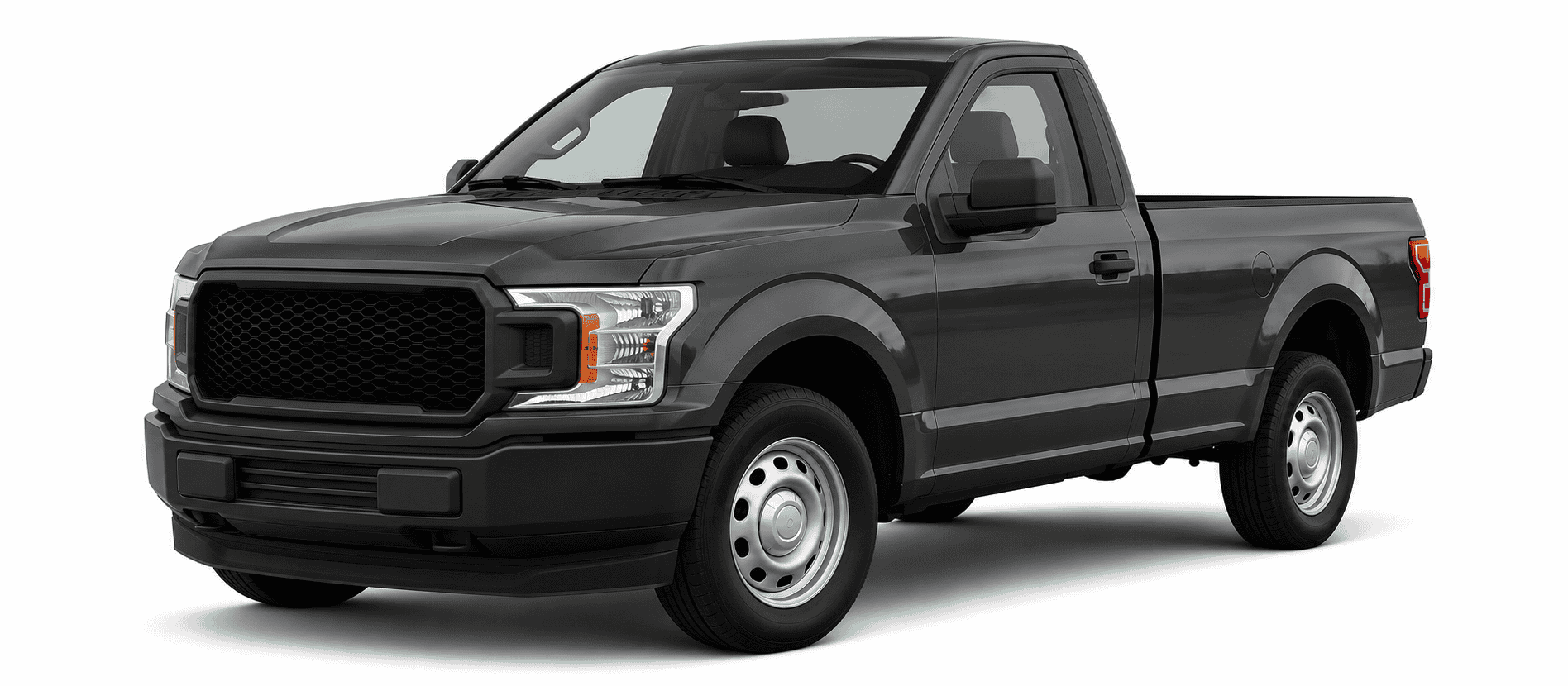
The 2019 Ford F150 Lariat marks the point in the lineup where the truck begins transitioning from a traditional pickup into a premium daily driver. While it retains the same core capability that made the F150 one of the best selling vehicles in North America, the Lariat introduces upgraded interior materials, advanced technology, additional convenience features, and greater customization options.
For many buyers shopping the used market, the Lariat represents the sweet spot between capability and luxury. It offers significantly more equipment than the XL and XLT while remaining more affordable than the King Ranch, Platinum, Limited, and Raptor. As a result, it remains one of the most sought after trims in the 2019 F150 lineup. The Lariat is available in multiple cab and drivetrain configurations and can be paired with several engines. Buyers can prioritize towing, fuel economy, comfort, or long term ownership depending on how the truck is configured. Understanding those differences is critical when evaluating used examples.
2019 F150 Lariat Engine Options
Unlike the lower trims, the Lariat gains access to Ford’s more powerful engine lineup. Buyers could choose between turbocharged EcoBoost engines and the naturally aspirated V8 depending on their priorities.
Engine
Horsepower
Torque
Best For
2.7L EcoBoost V6
325 hp
400 lb ft
Daily driving and fuel efficiency
5.0L V8
395 hp
400 lb ft
Traditional truck ownership
3.5L EcoBoost V6
375 hp
470 lb ft
Maximum towing and performance
The three available engines create very different ownership experiences, which is why engine selection remains one of the most important decisions a buyer can make. The 2.7L EcoBoost has developed a strong reputation for balancing performance and efficiency, making it particularly attractive for commuters and families who occasionally tow. The 5.0L V8 appeals to traditional truck buyers who prefer naturally aspirated power delivery and long term mechanical simplicity. Meanwhile, the 3.5L EcoBoost serves as the capability leader, delivering substantially more torque than the other options and supporting some of the highest towing ratings available in the F150 lineup.
Used market demand often reflects these differences. The 2.7L EcoBoost remains one of the most commonly recommended engines among owners because it combines strong acceleration with respectable fuel economy. Buyers planning frequent towing often favor the 3.5L EcoBoost, while those focused on long term ownership and predictable maintenance costs frequently gravitate toward the 5.0L V8. Owners researching durability trends across multiple powertrains may find the 2019 F150 Reliability Guide useful when comparing long term ownership expectations, but maintenance history remains one of the most important factors regardless of engine choice. None of the available powertrains are inherently bad options. The best selection depends entirely on how the truck will be used over the coming years.
Ownership Goal
Recommended Engine
Best Daily Driver
2.7L EcoBoost
Best Fuel Economy
2.7L EcoBoost
Long Term Simplicity
5.0L V8
Best Overall Capability
3.5L EcoBoost
Frequent Towing
3.5L EcoBoost
Balanced Ownership
5.0L V8
One reason many buyers specifically search for Lariat models is engine flexibility. Depending on configuration, a Lariat can function as a comfortable commuter, family vehicle, work truck, or serious tow vehicle. Buyers researching long term engine ownership may also benefit from reviewing the 2019 F150 Reliability Guide, which covers durability trends and common ownership concerns across the lineup.
2019 F150 Lariat Performance & Capability
Despite its more premium positioning, the Lariat remains a highly capable truck. Ford did not sacrifice towing or payload capacity in exchange for luxury features.
Capability
Maximum Rating
Towing Capacity
Up to 13,200 lbs
Payload Capacity
Up to 2,470 lbs
Maximum ratings vary significantly depending on engine selection, cab configuration, axle ratio, and towing equipment. A properly equipped SuperCrew with the 3.5L EcoBoost can tow substantially more than a similarly equipped truck with a smaller engine. Capability figures often receive most of the attention, but choosing the correct powertrain generally matters more than chasing the highest advertised number. Many owners will never approach maximum towing ratings, yet they interact with throttle response, ride quality, and drivability every day.
Usage
Recommended Engine
Daily Commuting
2.7L EcoBoost
Family Transportation
2.7L EcoBoost
Travel Trailer Towing
3.5L EcoBoost
Heavy Workloads
5.0L V8
Mixed Use Ownership
3.5L EcoBoost
Cab configuration plays a major role in determining how the truck functions in daily use. While towing and payload ratings often receive the most attention, passenger space, cargo flexibility, and overall practicality can vary significantly depending on cab selection. Buyers using the truck primarily for work may prioritize bed space and maneuverability, while families often place greater importance on rear seat comfort and passenger accommodations. Understanding the strengths of each cab configuration helps buyers select a truck that better matches their long term needs.
Configuration
Typical Use
SuperCab
Work and personal use
SuperCrew
Family transportation and daily driving
A properly configured SuperCrew Lariat can comfortably carry five passengers while towing a boat, camper, or utility trailer. This combination of comfort and capability remains one of the primary reasons the Lariat continues to perform well in the used market. Available capability features include:
Four wheel drive
FX4 Off Road Package
Trailer Tow Package
Integrated trailer brake controller
Electronic locking rear differential
Hill descent control
Trailer sway control
Skid plates
2019 F150 Lariat Interior & Features
Stepping into the Lariat immediately reveals where much of the additional purchase price went. Compared with the XL and XLT, the cabin feels noticeably more refined and upscale. Standard equipment commonly includes:
Leather trimmed seating
Power front seats
SYNC 3 infotainment system
Apple CarPlay
Android Auto
Dual zone automatic climate control
Power adjustable pedals
Push button start
Remote start
Larger touchscreen display
These upgrades significantly change the ownership experience. While lower trims prioritize utility, the Lariat focuses on creating a comfortable environment for commuting, long highway trips, and family transportation.
Common Lariat Features
Availability
Leather Seats
Standard
SYNC 3
Standard
Apple CarPlay
Standard
Android Auto
Standard
Dual Zone Climate Control
Standard
Remote Start
Common
Heated Front Seats
Common
Power Adjustable Pedals
Standard
This collection of features helps explain why the Lariat remains one of the most desirable trims in the used market. Owners interact with these upgrades every day, whether commuting to work, traveling with family, or spending hours behind the wheel on long highway trips. Leather seating improves overall comfort, while smartphone integration and upgraded infotainment systems help the truck feel considerably newer than many competitors from the same era.
Comfort becomes increasingly important as ownership continues. A buyer who spends 30 minutes per day in the truck may not notice a significant difference between trims. Someone spending two hours per day commuting, traveling for work, or towing recreational equipment will likely appreciate the additional convenience features every time they enter the cabin. Buyers comparing lower trims may also benefit from reviewing the 2019 F150 XLT Guide, which highlights many of the differences that separate the XLT from the more premium Lariat. This daily usability remains one of the strongest arguments in favor of the Lariat.
Feature
XLT
Lariat
Leather Seating
No
Yes
Dual Zone Climate Control
Optional
Standard
SYNC 3
Available
Standard
Interior Materials
Good
Upgraded
Luxury Features
Moderate
High
The differences shown above may appear modest on paper, but they become much more noticeable during daily ownership. Features such as leather seating, dual zone climate control, and upgraded cabin materials influence every drive, whether commuting to work, running errands, or traveling long distances. While both trims remain highly capable trucks, the Lariat places greater emphasis on comfort and convenience rather than pure utility.
Many buyers discover that the upgrade becomes more valuable the more time they spend behind the wheel. Someone using the truck primarily for occasional towing or work duties may find the XLT perfectly adequate. Drivers covering thousands of highway miles each year often appreciate the quieter cabin, improved seating surfaces, and additional technology features available in the Lariat. These improvements help explain why the trim continues attracting strong demand in the used truck market.
Lariat vs XLT
One of the most common questions among used F150 shoppers is whether the Lariat provides enough additional value to justify its higher purchase price compared with the XLT. Both trims share the same basic truck platform, similar powertrain options, and comparable towing capability, which can make the decision difficult at first glance. The differences become more apparent when examining comfort, technology, interior materials, and overall ownership experience. Buyers who spend significant time commuting, traveling, or using the truck as a family vehicle often evaluate these upgrades differently than buyers primarily focused on work duties and capability.
Category
XLT
Lariat
Interior Comfort
Good
Excellent
Technology
Good
Better
Cabin Materials
Cloth Focused
Leather Focused
Daily Driving Experience
Comfortable
Premium
Family Use
Very Good
Excellent
Resale Appeal
Very Good
Excellent
The decision between these trims often comes down to how the truck fits into daily life. Buyers who primarily need a capable pickup for work, towing, and occasional family transportation frequently find the XLT provides excellent value. It offers many of the same powertrain options and capability ratings while maintaining a lower purchase price.
The Lariat becomes more attractive when comfort and convenience move higher on the priority list. Leather seating, upgraded technology, and premium interior materials create a noticeably different ownership experience during long trips and daily commuting. Buyers who plan to keep the truck for many years often find these upgrades easier to justify because they interact with them every day. Resale values also tend to remain strong because the Lariat appeals to a wider range of used truck shoppers.
2019 F150 Lariat Fuel Economy
Fuel economy remains one of the most important ownership considerations for many truck buyers. While fuel costs may not receive the same attention as towing capacity or horsepower during the shopping process, they can have a significant impact on long term ownership expenses. The 2019 F150 Lariat offers several engine choices, each delivering a different balance of efficiency, performance, and capability. Understanding how these powertrains compare can help buyers select the configuration that best aligns with their driving habits and expected workload.
Engine
EPA Combined MPG
2.7L EcoBoost 4×2
22 MPG
5.0L V8 4×2
19 MPG
3.5L EcoBoost 4×2
20 MPG
At first glance, the fuel economy differences appear relatively small. However, ownership costs can diverge considerably as mileage accumulates. A driver covering 20,000 miles per year may consume hundreds of additional gallons of fuel over several years depending on engine choice, driving style, and towing habits. Even small MPG differences become more noticeable when fuel prices rise or annual mileage increases.
Real world fuel economy often differs from EPA estimates. Factors such as cargo weight, trailer use, tire selection, weather conditions, and terrain all influence actual results. Four wheel drive models generally consume more fuel than comparable rear wheel drive versions, while frequent towing can reduce efficiency dramatically regardless of engine selection. Buyers should view EPA figures as useful benchmarks rather than guaranteed outcomes..
Engine
Ownership Advantage
2.7L EcoBoost
Best fuel efficiency
5.0L V8
Traditional truck feel
3.5L EcoBoost
Strongest towing performance
Each engine offers a different balance of efficiency and capability. The 2.7L EcoBoost generally provides the strongest combination of fuel economy and everyday performance, making it particularly attractive for commuters and family oriented owners. The 5.0L V8 sacrifices some efficiency but remains popular among buyers who prefer naturally aspirated engines and traditional truck characteristics. Meanwhile, the 3.5L EcoBoost delivers exceptional towing performance, although owners frequently pulling heavy trailers should expect increased fuel consumption.
Ultimately, fuel economy should be evaluated alongside towing needs, payload requirements, and long term ownership goals. Choosing an engine based solely on MPG numbers can sometimes lead buyers toward a powertrain that does not align with how the truck will actually be used. For many owners, overall capability and daily satisfaction matter more than a small difference in fuel costs.
2019 F150 Lariat Common Problems
No vehicle is completely free of problems, and the 2019 F150 Lariat no exception. While many owners report positive long term ownership experiences, several recurring concerns appear more frequently in owner discussions, service records, and technical service bulletins. Understanding these issues does not mean every truck will develop them, but it does help buyers know what to inspect before purchasing a used example. Transmission behavior, cam phaser noise, oil consumption complaints, and certain electronic issues tend to receive the most attention among owners and technicians.
Problem Area
Frequency
Typical Repair Cost
10 Speed Transmission Behavior
Moderate
Software update to major repair
Cam Phaser Noise
Moderate
$1,500 to $3,500
5.0L Oil Consumption
Moderate
Varies
SYNC Software Issues
Low to Moderate
Usually minor
Door Lock Actuators
Low to Moderate
$150 to $500
Sensor Faults
Low
Varies
Transmission behavior remains one of the most discussed topics among 2019 F150 owners. Some drivers report harsh shifts, hesitation, or occasional gear hunting under specific driving conditions. The Ford F150 Problems Common Issues Fixes guide examines these concerns alongside cam phaser noise, oil consumption complaints, and several other commonly reported issues, but it is important to remember that not every truck develops these problems. Service history, software updates, and driving habits can all influence long term ownership outcomes.
Cam phaser noise receives considerable attention in EcoBoost ownership discussions. Symptoms typically involve a brief startup rattle. While some trucks never experience the issue, repairs can become expensive if replacement components are required. Before purchasing a used 2019 F150 Lariat:
Verify transmission software updates
Listen for startup rattles
Review maintenance records
Check oil level history
Test SYNC functions
Confirm recall completion
Inspect trailer wiring if equipped
Verify four wheel drive operation
2019 F150 Lariat Reliability Overview
Reliability remains one of the strongest reasons buyers continue shopping for used F150s. The Lariat benefits from the same core platform used throughout the broader lineup while adding additional comfort and technology features.
Reliability Category
Assessment
Engine Reliability
Above Average
Chassis Durability
Above Average
Corrosion Resistance
Above Average
Electronics
Average
Transmission
Average
Overall Reliability
Above Average
The reliability ratings reflect common ownership experiences rather than guarantees. Major engine failures remain relatively uncommon when maintenance schedules are followed consistently. Most complaints reported by owners involve transmission behavior, electronic features, or smaller component failures rather than catastrophic mechanical breakdowns. This helps explain why engine durability scores higher than electronics and transmission systems.
Maintenance history plays an especially important role once mileage begins climbing. Oil changes, transmission servicing, cooling system maintenance, and prompt repairs can have a significant impact on long term reliability. Buyers evaluating used trucks should place considerable emphasis on service records rather than focusing exclusively on mileage. The Ford F150 Problems Common Issues Fixes guide explores several of the concerns most frequently discussed by owners, including transmission behavior, cam phaser noise, oil consumption complaints, and other recurring issues that can influence ownership costs over time.
Mileage Range
Typical Ownership Experience
0 to 75,000 Miles
Mostly routine maintenance
75,000 to 150,000 Miles
Tires, brakes, batteries, wear items
150,000 to 200,000+ Miles
Increased repairs but often dependable
Maintenance history remains one of the most important factors affecting long term ownership outcomes. Service records often provide a clearer picture of a truck’s condition than mileage alone. A well maintained F150 with 150,000 miles may prove to be a better purchase than a neglected truck showing significantly lower mileage. Regular oil changes, transmission servicing, cooling system maintenance, and timely repairs can help prevent many of the problems that become expensive later in ownership. Buyers evaluating used examples should place considerable value on documented maintenance because it often provides the strongest indication of how the vehicle was treated throughout its life.
2019 F150 Lariat Ownership Costs
The purchase price represents only part of the ownership equation. Fuel, maintenance, repairs, insurance, depreciation, and wear items all contribute to long term operating expenses.
Ownership Category
Typical Annual Cost
Fuel
$2,000 to $4,800
Insurance
$1,300 to $2,500
Maintenance
$600 to $1,500
Repairs
$300 to $2,000
Ownership expenses vary widely depending on how the truck is used. A lightly driven commuter vehicle will generally cost less to operate than a truck that spends weekends towing campers, hauling equipment, or traveling long distances. Tire wear, brake wear, suspension components, and fuel consumption can all increase substantially under heavier workloads. This is one reason two owners of identical trucks may report very different ownership experiences.
The Lariat also introduces additional comfort and technology features compared with lower trims. While these upgrades improve daily usability, they can occasionally increase repair costs as the vehicle ages. Buyers should budget for more than just fuel and insurance when evaluating long term ownership expenses. Understanding resale value is equally important, and the 2019 F150 Depreciation Guide examines how market value typically changes as the truck accumulates age and mileage. Looking at ownership costs and depreciation together often provides a more complete picture of long term affordability.
Ownership Period
Common Expenses
Years 1 to 3
Fuel, insurance, routine service
Years 4 to 6
Tires, brakes, battery replacement
Years 7+
Suspension wear, repairs, aging components
Routine maintenance expenses often remain manageable during the early years of ownership, but costs tend to increase as mileage accumulates. Wear items such as brakes, batteries, tires, and alignment services become recurring expenses throughout the truck’s life cycle. The table below outlines several of the most common maintenance items owners encounter and the typical cost ranges associated with each service.
Service Item
Typical Cost
Oil Change
$70 to $150
Brake Service
$300 to $900
Battery Replacement
$150 to $350
Tire Replacement
$800 to $1,800
Alignment
$100 to $250
Buyers evaluating long term ownership may also find the 2019 F150 Depreciation Guide useful for understanding how values typically change over time.
2019 F150 Lariat Towing & Payload
Towing and hauling capability remain two of the primary reasons buyers continue choosing the F150 over many competing trucks. The Lariat trim adds premium comfort and technology features, but it still retains the core utility that made the F150 one of the most popular pickups on the market. Depending on engine choice and configuration, the truck can serve as a daily commuter, family vehicle, work truck, or dedicated tow vehicle. Understanding how capability varies between powertrains is important because towing and payload ratings can differ substantially even among trucks that appear nearly identical from the outside.
Engine
Maximum Towing
2.7L EcoBoost
Up to 9,000 lbs
5.0L V8
Up to 11,600 lbs
3.5L EcoBoost
Up to 13,200 lbs
These ratings demonstrate how dramatically towing capability can vary depending on engine selection. The 2.7L EcoBoost handles utility trailers, smaller campers, and recreational equipment comfortably, but buyers planning to tow heavier loads often gravitate toward the 3.5L EcoBoost. Its substantial torque advantage makes it particularly well suited for travel trailers, enclosed cargo trailers, and larger recreational vehicles. The 2019 F150 Towing Guide provides a deeper breakdown of how axle ratios, cab configurations, drivetrain choices, and towing packages influence actual towing ratings, which can vary significantly between otherwise similar trucks.
The 5.0L V8 occupies the middle ground. While it does not match the maximum towing capability of the 3.5L EcoBoost, many owners appreciate its predictable power delivery and traditional truck feel. Choosing the right engine often has a greater impact on towing satisfaction than focusing solely on the highest advertised number. Several factors influence towing capability:
Engine choice
Cab configuration
Bed length
Axle ratio
Drivetrain
Trailer Tow Package
Many buyers become confused when their truck’s door sticker shows a lower number than advertised maximum ratings. Equipment differences usually explain the discrepancy.
2019 F150 Lariat Specs Summary
The 2019 F150 Lariat occupies a unique position within the F150 lineup by combining substantial towing and hauling capability with a higher level of comfort, technology, and convenience features. While many sections of this guide explore individual ownership topics in greater detail, the specifications below provide a quick reference for the key measurements, capacities, drivetrain options, and mechanical details that define the 2019 model year. Buyers comparing trims can use this summary as a convenient snapshot of the truck’s overall configuration and capability.
Specification
Details
Generation
Thirteenth Generation
Available Cabs
SuperCab, SuperCrew
Drivetrain
4×2 or 4×4
Engines
2.7L EcoBoost, 5.0L V8, 3.5L EcoBoost
Transmission
Ford 10 Speed Automatic
Maximum Towing
Up to 13,200 lbs
Maximum Payload
Up to 2,470 lbs
Seating Capacity
Up to 6 Passengers
Fuel Tank Capacity
23 to 36 Gallons
Should You Buy A 2019 Ford F150 Lariat?
Yes. For many buyers, the Lariat represents one of the most balanced trims in the entire F150 lineup. It provides substantially more comfort, technology, and premium features than the XLT while avoiding the higher ownership costs often associated with the most expensive trims. Buyers seeking a truck that can comfortably handle commuting, family transportation, towing duties, and long term ownership will likely find the 2019 F150 Lariat one of the strongest values in the used full size truck market.
This platform analyzes depreciation trends, resale value behavior, and long-term ownership costs, helping drivers understand how mileage, maintenance, and timing shape real financial outcomes.