Fuel economy has a direct impact on what it really costs to own a vehicle. The official numbers on the window sticker give you a starting point, but real-world fuel use almost always changes depending on how the vehicle is driven, how it’s maintained, and the conditions it operates in. Understanding what affects fuel economy helps drivers lower fuel costs, spot efficiency problems early, and make smarter ownership decisions.
In real life, even small efficiency losses add up faster than most people expect.
Driving Habits
One of the biggest influences on real-world fuel economy is simply how the vehicle is driven. Hard acceleration, sudden braking, and constant speeding force the engine to burn more fuel than steady driving ever would. Smooth acceleration and maintaining a predictable speed usually improve fuel efficiency without changing anything else about the vehicle.
For many drivers, this shows up clearly during city driving. A calm driver in the same car can use noticeably less fuel than someone rushing between lights.
Excessive idling also wastes fuel. Modern engines don’t need long warm-ups, and letting the car sit running just burns fuel with no distance gained. Fuel disappears. Fast.
Vehicle Speed
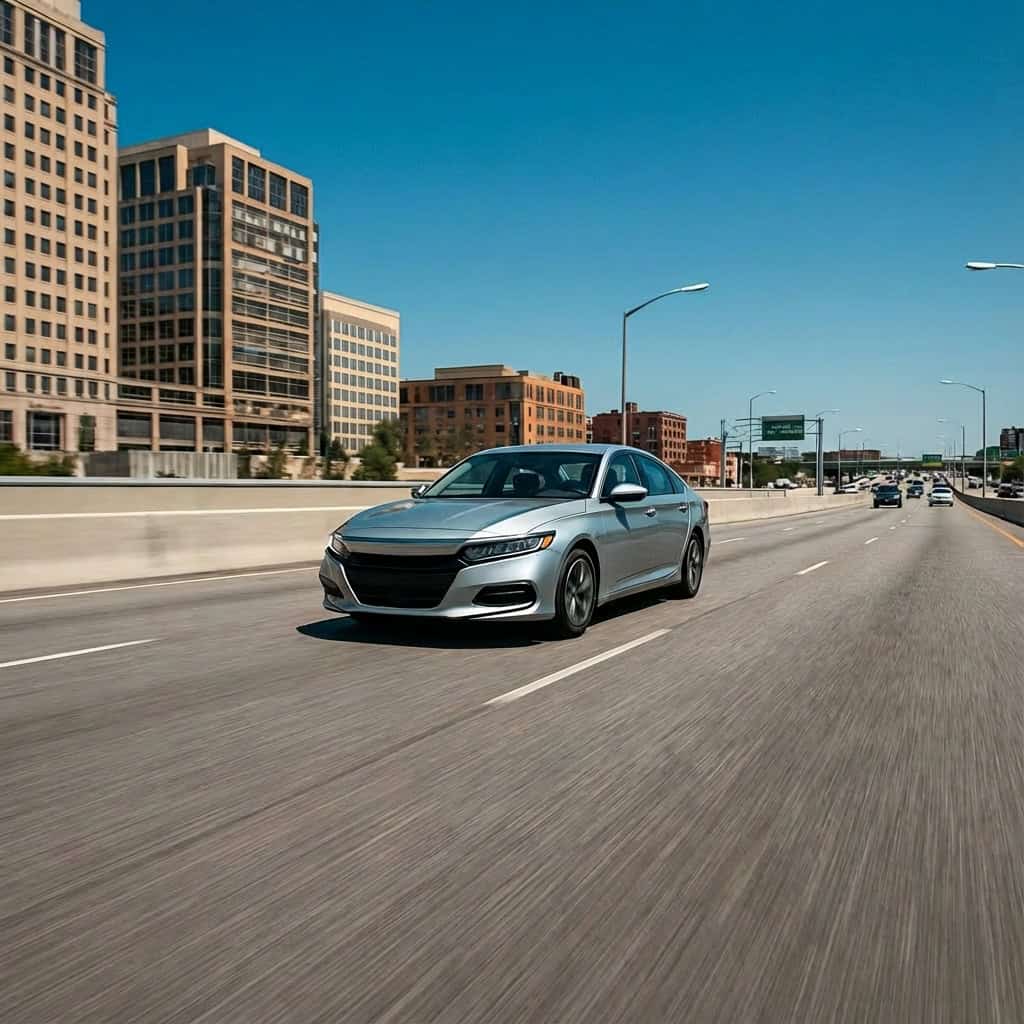
Speed plays a bigger role in fuel consumption factors than most drivers realize. Vehicles tend to run most efficiently at moderate, steady highway speeds. Once speeds climb higher, aerodynamic drag increases sharply, which forces the engine to work harder just to maintain momentum.
That’s why slowing down slightly on long highway trips often improves fuel economy more than people expect. In practice, dropping even 10–15 km/h can make a measurable difference over long distances.
Vehicle Weight and Load
The heavier the vehicle, the more fuel it needs to move. Carrying extra cargo, towing loads, or leaving roof racks installed all increase resistance and reduce efficiency.
Sometimes drivers forget about roof racks entirely. But even empty racks create drag, especially at highway speed, and that alone can raise fuel consumption.
What really matters is simple: more weight means more fuel burned. Always.
Tire Pressure and Tire Condition
Tires play a larger role in how to improve fuel economy than most owners expect. Underinflated tires increase rolling resistance, which forces the engine to work harder just to keep the vehicle moving.
Even slightly low pressure can reduce efficiency.
Most drivers don’t notice this immediately. But over months of driving, low pressure quietly increases fuel costs while also wearing tires faster. That’s when ownership costs start stacking up.
Maintaining proper tire pressure and using tires in good condition helps keep fuel use stable.
Vehicle Maintenance
A properly maintained vehicle simply runs more efficiently. Dirty air filters, worn spark plugs, old engine oil, or neglected servicing all reduce efficiency because the engine has to compensate for reduced performance.
In practice, small maintenance issues rarely cause sudden fuel loss. Instead, fuel economy slowly drops over time, which makes the extra cost harder to notice.
One of the clearest indicators something is off is when fuel usage slowly rises without any obvious driving change.
Driving Environment and Conditions
Where and when you drive strongly affects real-world fuel consumption. Stop-and-go traffic, short trips, steep hills, and extreme weather conditions all increase fuel use.
Cold weather is especially inefficient. Engines take longer to reach operating temperature, and during that warm-up period they burn more fuel than usual. Short trips make this worse because the engine may never fully warm up before shutting off.
Hot weather creates its own issue. Heavy air-conditioning use pulls extra load from the engine, which also increases fuel consumption.
Vehicle Design and Powertrain
Not all vehicles are built for the same efficiency goals. Larger engines, higher horsepower setups, and all-wheel-drive systems generally consume more fuel than smaller, lighter designs.
Transmission gearing, drivetrain layout, and overall vehicle weight all influence fuel efficiency differences between vehicles.
Even hybrids and electric vehicles still respond to driving habits, terrain, and weather conditions. Technology helps, but physics still wins.
Fuel Quality and Type
Using the fuel grade recommended by the manufacturer matters more than many drivers think. Higher-octane fuel doesn’t automatically improve efficiency unless the engine is designed for it.
In some cases, inconsistent or lower-quality fuel can slightly affect performance or fuel consumption. It’s not always dramatic, but over time it can add up.
Understanding Real-World Fuel Economy
Official fuel economy ratings come from controlled testing environments. Real driving rarely matches those exact conditions, which is why real-world fuel economy vs official ratings often looks different once you actually own the vehicle.
What matters most is learning how your own driving patterns affect fuel use. Once drivers understand that, fuel costs become much easier to predict.
To estimate how fuel consumption translates into real ownership expenses, you can use the Fuel Calculator to calculate fuel costs based on your personal driving distance and fuel price.
Why Fuel Economy Awareness Matters
Fuel costs are one of the few ownership expenses that never really stop. Small inefficiencies today become large expenses over years of driving.
That’s why understanding what affects fuel economy helps drivers control long-term ownership costs, compare vehicles realistically, and prevent small efficiency losses from quietly draining money over time.
Because in the end, fuel economy isn’t just about efficiency.
It’s about what the vehicle keeps costing you every single month.