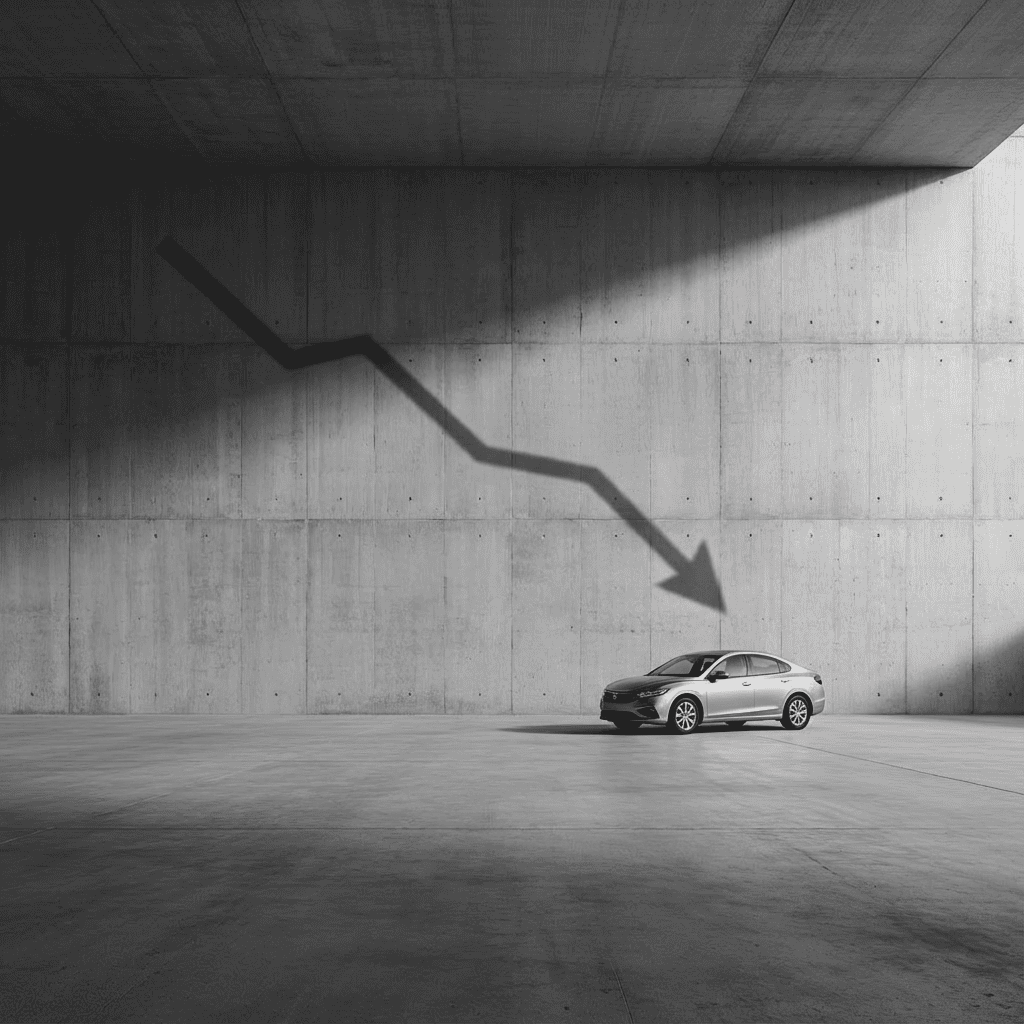
Vehicle depreciation is the loss in value a car experiences over time. It is often the single largest cost of ownership for drivers around the world—frequently exceeding expenses like fuel, insurance, and routine maintenance combined.
What Is Depreciation?
Depreciation is the difference between what you pay for a vehicle today and what you can sell it for later. New vehicles typically drop the fastest in the first 1–3 years, then the rate slows as the vehicle ages.
Why it matters:
✓ Helps you avoid overpaying for a model that loses value quickly
✓ Improves trade-in timing decisions
✓ Clarifies true long-term ownership cost
Typical Depreciation Timeline
While every vehicle is different, depreciation often follows this pattern:
✓ Year 1: Largest drop (new-to-used value hit)
✓ Years 2–3: Still steep, but more predictable
✓ Years 4–7: Slower decline, depends heavily on mileage and condition
✓ Years 8+: Value stabilizes; condition and reliability dominate pricing
What Impacts Resale Value the Most?
Depreciation isn’t random. These are the biggest drivers:
✓ Brand & Model Demand
Some models hold value because demand stays high in the used market.
✓ Mileage
High mileage lowers resale value quickly. Lower mileage generally protects value—especially in years 3–6.
✓ Condition & Maintenance History
Service records, accident history, and overall condition strongly affect used pricing.
✓ Powertrain & Reliability Reputation
Reliable engines and transmissions tend to depreciate more slowly because ownership risk is lower.
✓ Trim Level & Options
Popular trims and practical options can help value. Niche packages can hurt resale.
✓ Region & Seasonality
Demand changes by location (AWD in snow climates, trucks in rural markets) and season (convertibles vs winter vehicles).
New vs Used: Which Depreciates Less?
New vehicles depreciate faster early on because the first owner absorbs the “new car premium.”
If your goal is minimizing depreciation, a 2–4-year-old used vehicle often provides a better value curve—assuming it’s in good condition with a clean history.
How to Use Depreciation When Buying
Use depreciation to make smarter decisions:
✓ Compare trims and model years before you commit
✓ Avoid overpaying for low-demand configurations
✓ Time your purchase and sale more strategically
✓ Estimate long-term cost, not just monthly payment
Depreciation Tips That Actually Work
✓ Keep mileage reasonable for the vehicle’s age
✓ Maintain service records (oil changes, brakes, scheduled work)
✓ Fix cosmetic issues early (small dents and scratches add up at resale)
✓ Choose widely demanded trims and colors when possible
✓ Avoid excessive modifications, which reduce the buyer pool
Depreciation Estimator
If you use a calculator on this page, place it here.
Optional insert line above your calculator widget:
Use the estimator below to preview how value may change over time based on purchase price, age, mileage, and ownership horizon.
FAQ
Does depreciation affect trade-in value?
Yes. Trade-in value is directly influenced by depreciation plus dealer reconditioning costs.
What vehicles hold value best?
Models with consistent demand, strong reliability reputation, and low operating risk typically retain value better.
Is depreciation the same in Canada and the U.S.?
Trends are similar, but pricing can differ based on regional demand, availability, and seasonal conditions.
Disclaimer
Depreciation estimates are informational and may not reflect real-world pricing in every market. Actual value depends on condition, mileage, vehicle history, region, and current supply and demand.