Your vehicle’s transmission plays a critical role in delivering power smoothly and efficiently to the wheels. When problems begin to develop, early warning signs often appear long before a complete failure occurs. Recognizing these symptoms early can help prevent costly repairs, unexpected breakdowns, and long-term drivetrain damage.
Although some transmission issues progress gradually, others can escalate quickly. Therefore, understanding what to watch for—and how different systems interact—is essential for maintaining reliability and everyday drivability.
Delayed or Slipping Gear Engagement
One of the most common early transmission warning signs is delayed engagement when shifting into drive or reverse. Instead of responding immediately, the vehicle may hesitate before moving, which can be both frustrating and concerning.
Similarly, gear slipping can occur while driving. In this situation, the transmission unexpectedly changes gears or struggles to remain engaged. As a result, engine speed may rise without a corresponding increase in vehicle speed. In many cases, these symptoms are closely tied to Transmission Fluid: How to Check and When to Change, since low, degraded, or incorrect fluid can disrupt hydraulic pressure.
Over time, these behaviors often worsen, especially under acceleration or when the vehicle is carrying additional load.
Unusual Noises While Driving or Shifting
Transmissions are engineered to operate quietly. Therefore, any new or unfamiliar noises should be taken seriously rather than dismissed as normal wear.
Common sounds associated with transmission trouble include:
Whining or humming during acceleration
Grinding noises while shifting gears
Clunking sounds when changing from park to drive or reverse
Although some noises may seem minor at first, they frequently indicate internal wear or fluid-related problems. In fact, many of these symptoms align with Common Causes of Rough Shifting, especially when internal components no longer engage smoothly.
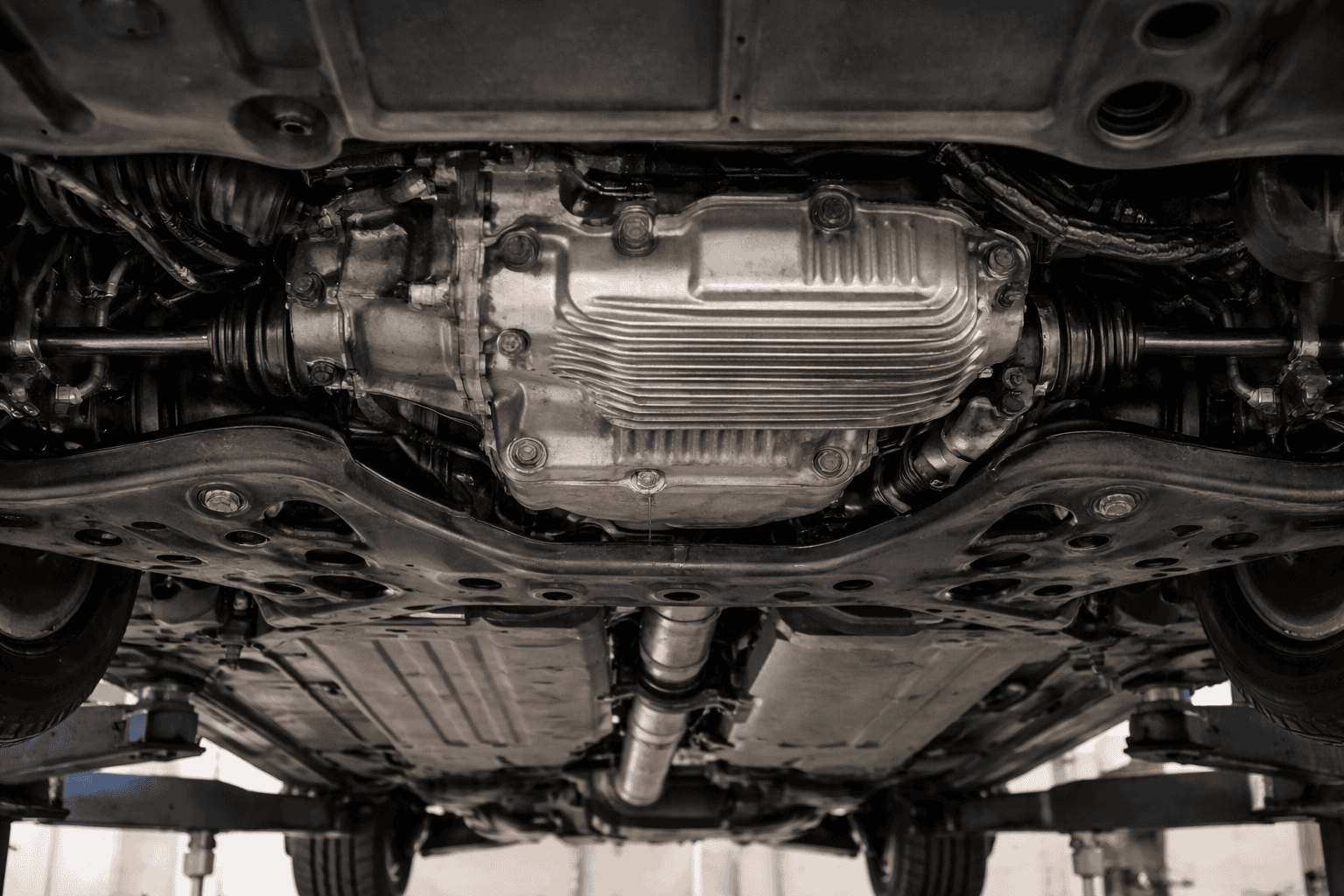
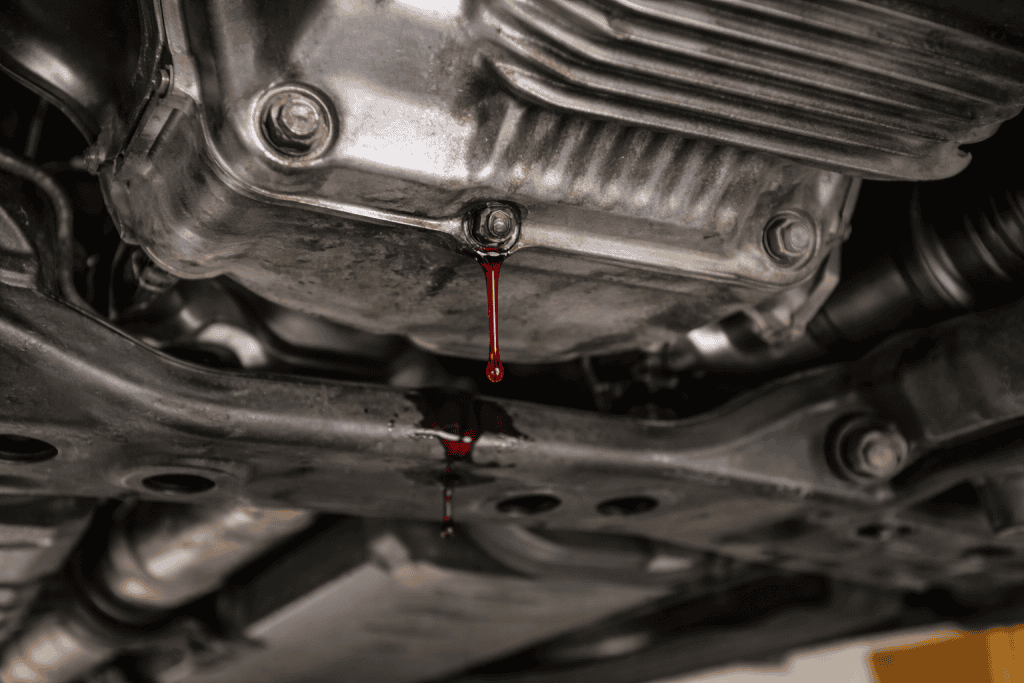
Transmission fluid leaking from the underside of a vehicle near the transmission pan
Transmission Fluid Leaks or Discoloration
Transmission fluid is essential for lubrication, cooling, and hydraulic operation. When fluid levels drop or quality degrades, performance issues often follow soon after.
Signs of fluid-related problems include:
Red, brown, or dark fluid leaking beneath the vehicle
A burning smell after driving
Fluid that appears dark, cloudy, or smells burnt on the dipstick
Because low or contaminated fluid can accelerate internal damage, addressing leaks promptly is critical. Additionally, routine inspections and timely service remain one of the most effective ways to prevent premature transmission wear.
Rough, Hard, or Erratic Shifting
Smooth gear changes are a hallmark of a healthy transmission. However, if shifts begin to feel harsh, abrupt, or unpredictable, an underlying issue may already be developing.
For example, the vehicle may:
Jerk when shifting gears
Hesitate between shifts
Downshift aggressively without warning
These symptoms can stem from fluid issues, worn mechanical components, or electronic control faults. Furthermore, aggressive acceleration, heavy towing, and stop-and-go driving highlight 7 driving habits that can seriously damage your transmission, as repeated stress accelerates transmission wear over time.
Warning Lights or Limp Mode Activation
Modern vehicles monitor transmission performance electronically. When irregularities are detected, warning indicators may appear on the dashboard, signaling that the system has identified a fault.
In some cases, the vehicle may enter “limp mode,” limiting speed and gear selection to protect internal components. While this safety feature helps reduce further damage, it also signals that immediate attention is required. Understanding Warning Dashboard Lights Explained can help drivers respond appropriately instead of continuing to drive with a developing transmission issue.
Ignoring these alerts often allows minor problems to escalate into major failures.
Shuddering, Vibrations, or Loss of Power
Another sign of transmission trouble is vibration during acceleration or steady cruising. The vehicle may feel as though it is shuddering or struggling to transfer power smoothly.
Additionally, noticeable power loss—especially during gear changes—can indicate slipping clutches or internal wear. While these symptoms may resemble engine-related issues, transmission faults are frequently the underlying cause and should not be overlooked.
When to Take Action
If one or more of these warning signs appear, early action is strongly recommended. While some transmission problems are relatively minor when addressed promptly, delays often lead to extensive repairs or full replacement.
Ultimately, routine maintenance, fluid checks, and timely diagnostics remain the most effective ways to protect transmission longevity and ensure consistent vehicle performance over time.
[…] may notice delayed shifting, slipping gears, or harsh engagement. Therefore, this behavior is often Signs of Transmission Problems one of the first indicators of drivetrain […]
[…] cascade into broader system instability. This is why electrical warning signs are closely linked to Transmission Warning Signs, since modern transmissions rely on precise electronic control and stable […]
[…] precise hydraulic pressure and electronic controls, even small driving behaviors can trigger early Transmission Warning Signs if stress becomes […]
This platform analyzes depreciation trends, resale value behavior, and long-term ownership costs, helping drivers understand how mileage, maintenance, and timing shape real financial outcomes.