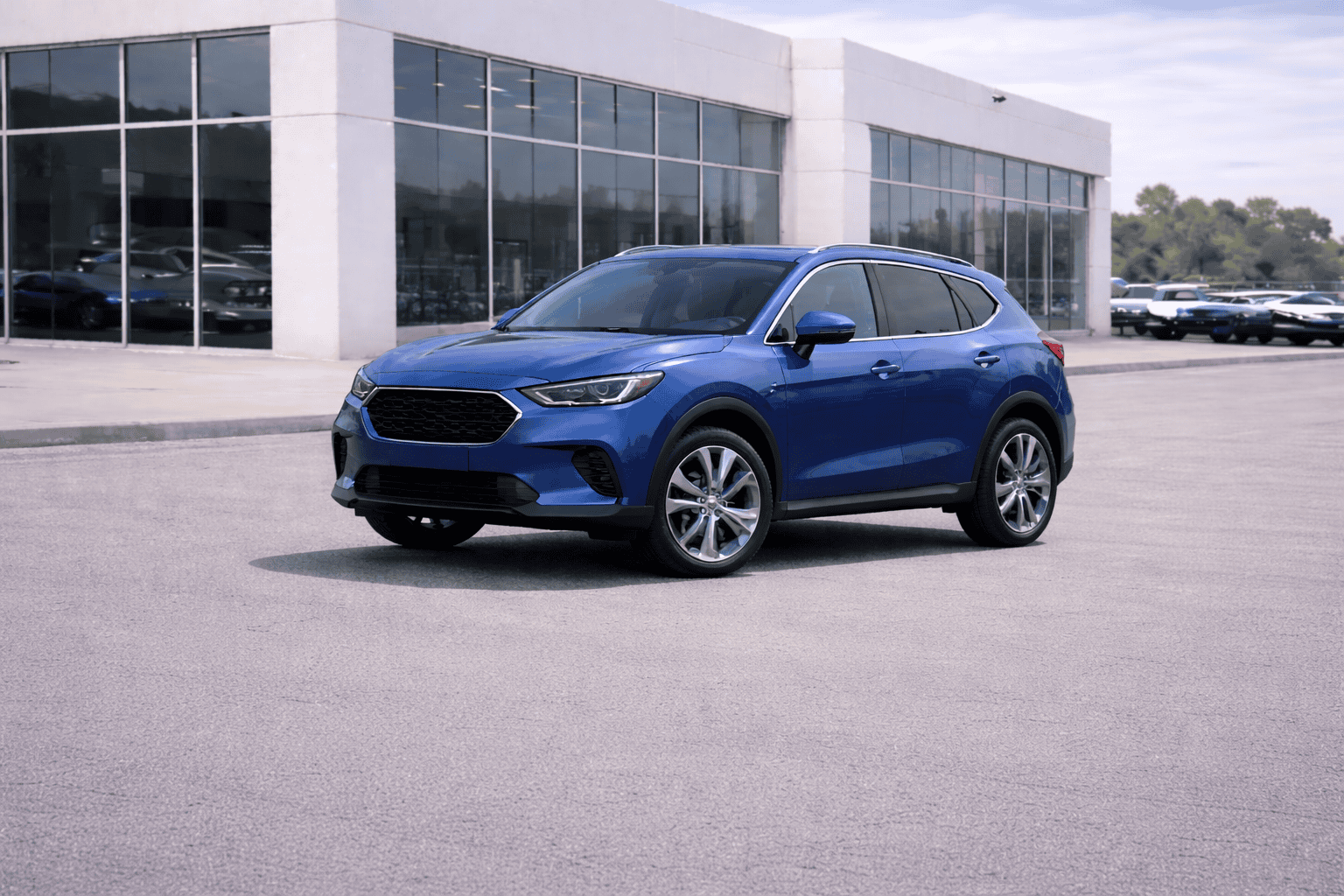
Looking at the Honda HR V across model years, the pattern is not perfectly consistent. Some years show higher complaint rates, especially around transmission behavior, electrical glitches, and interior wear. Early models tend to carry more reported issues, while later versions often reflect updates and fixes. For example, drivers of certain earlier HR V models have reported hesitation during acceleration or rough shifting, which can affect daily driving confidence even if the vehicle remains functional.
Breaking it down by year helps separate minor annoyances from more serious concerns. A model with occasional infotainment bugs is very different from one with repeated drivetrain complaints. For instance, a buyer comparing two used HR V listings might notice one priced lower due to a history of transmission repairs. That price difference is not random. It reflects risk, repair probability, and long term ownership cost.
Overview: How Problematic Is the Honda HR‑V?
The Honda HR V has been on the market since the 2016 model year, so the data set is still relatively focused compared to longer running models like the Honda CR V, which dates back to 1997. When you look at reported problems, the HR V does not stand out as unusually problematic for its class, but it is not completely trouble free either. Most owner complaints center around drivability feel, climate control performance, and smaller electrical inconsistencies rather than major mechanical failure. For example, some early owners reported a noticeable vibration during acceleration, which did not always lead to immediate breakdown but affected daily comfort and confidence behind the wheel.
Breaking it down by model year gives a clearer picture. The 2016 and 2017 models show the highest volume of complaints, particularly related to CVT behavior, air conditioning issues, and intermittent electrical faults. From 2018 through 2021, updates reduced many of these concerns, and complaint patterns became less severe overall. The 2023 redesign introduced a new generation, and early data suggests fewer reported issues, though long term reliability is still being established. In practical terms, a buyer comparing a 2016 model to a 2020 version will likely see differences not just in price, but in expected repair frequency and ownership experience.
Most Common Honda HR‑V Problems
Most Honda HR V issues tend to cluster around a few repeat areas rather than being spread across the entire vehicle. Owner reports and complaint databases show patterns in transmission behavior, air conditioning performance, and minor electrical faults. These are not constant failures, but they appear often enough in certain years to influence buying decisions. For example, a 2016 model with higher mileage may show early signs of CVT hesitation, while a 2019 model is more likely to have fewer drivetrain related complaints but may still experience occasional sensor or infotainment glitches.
Common Honda HR V Issues
| Issue |
Model Years Affected |
Frequency Level |
| CVT shudder or hesitation |
2016 to 2018 |
High |
| Air conditioning failure |
2016 to 2017 |
High |
| Electrical system glitches |
2016 to 2020 |
Medium |
| Infotainment lag or freeze |
2019 to 2022 |
Medium |
| Starter or battery issues |
2017 to 2021 |
Medium |
| Brake noise or wear concerns |
2016 to 2020 |
Low to Medium |
In practical terms, higher frequency issues show up more consistently in owner complaints, while medium level problems appear less often but are still worth checking during inspection.
Honda HR V Problems by Model Year
| Model Year |
Common Problems |
Severity Level |
What to Expect |
| 2016 |
CVT shudder, AC failure, electrical bugs |
High |
Highest complaint volume, drivetrain concerns more common |
| 2017 |
CVT issues, AC problems, starter faults |
High |
Similar to 2016 with slightly fewer reports |
| 2018 |
Reduced CVT complaints, minor electronics |
Medium |
Noticeable improvement, fewer major failures |
| 2019 |
Infotainment lag, battery issues |
Medium |
Mostly minor issues, lower repair severity |
| 2020 |
Electrical glitches, brake wear |
Low to Medium |
Stable overall, routine maintenance more typical |
| 2021 |
Occasional sensor faults, battery drain |
Low to Medium |
Fewer complaints, issues less frequent |
| 2022 |
Minor electronics, infotainment bugs |
Low |
Low complaint volume overall |
| 2023 |
New generation, limited data |
Low |
Early reports show fewer repeated issues |
| 2024 |
Limited long term data |
Low |
Too early for clear patterns |
| 2025 |
Early ownership reports only |
Low |
Reliability still being established |
In practical terms, earlier years carry higher risk tied to known problem areas, while later models shift toward lower frequency and less severe concerns.
2016 Honda HR V Problems
As outlined earlier, the 2016 model year shows the highest concentration of reported issues. Being the first release, it reflects early production adjustments rather than isolated defects. Most problems are not immediate failures, but they occur frequently enough to affect daily driving. For example, some owners report a noticeable shudder when accelerating from a stop, which can make city driving feel inconsistent.
Most reported problems include:
• CVT transmission shudder at low speeds
• Air conditioning blowing warm air due to compressor issues
• Starter motor inconsistencies
• Infotainment system freezing or restarting
• Premature rear brake wear
In terms of severity, these issues fall into a moderate range. Costs can increase quickly once out of warranty, especially when multiple issues appear.
Should you avoid it?
Yes.
Higher frequency of repeat issues compared to later years increases ownership risk.
2017 Honda HR V Problems and Improvements
The 2017 model shows a similar pattern, though complaint volume trends slightly lower. The same core issues remain, particularly around transmission behavior and air conditioning performance. For example, drivers may still notice hesitation during low speed acceleration, even if the issue does not immediately require repair.
Most reported problems include:
• CVT judder or inconsistent acceleration
• Air conditioning leaks or reduced cooling
• Electrical glitches such as backup camera or dash warnings
• Suspension noise over bumps
Severity remains moderate, with a continued risk of repeat repair visits over time.
Should you avoid it?
Yes.
Slight improvement over 2016, but not enough to change the overall risk profile.
2018 Honda HR‑V – Reliability Improves
By 2018, several of the earlier concerns begin to show signs of improvement. This does not mean every issue disappears, but the pattern shifts toward less frequent and less disruptive problems. Compared to 2016 and 2017, complaint volume drops, and the types of issues reported tend to be more manageable. For example, a driver may notice slight hesitation during acceleration in certain conditions, but it is not as commonly reported or as pronounced as in earlier models.
Most reported problems include:
• Occasional CVT hesitation under light acceleration
• Minor electrical inconsistencies such as sensor alerts
• Paint chipping on specific exterior colors over time
Should you buy it?
Yes.
Lower complaint volume than earlier years, with issues mostly limited to minor electrical concerns or occasional CVT behavior. Still, check service history and overall condition before buying.
2019 Honda HR‑V – One of the Best Years
Moving forward in the timeline, the 2019 Honda HR V shows a noticeable drop in serious complaints compared to earlier years. The types of issues reported shift toward smaller inconveniences rather than recurring mechanical concerns. This change matters when comparing used options, since the risk profile becomes more predictable. For example, an owner might deal with a brief infotainment freeze or minor cabin noise at highway speeds, but not the same level of drivetrain related concerns seen in earlier models.
Most reported problems include:
• Minor infotainment bugs such as screen lag or occasional freezing
• Rare cases of slight CVT hesitation under specific driving conditions
• Occasional wind noise noticeable at higher speeds
Should you buy it?
Yes.
For buyers comparing multiple model years, 2019 generally presents a lower risk profile in real world ownership.
2020 Honda HR V Reliability Continues
As you can see from the earlier sections, the 2020 Honda HR V continues the pattern of lower complaint volume and fewer recurring issues. At this point, most of the commonly reported problems shift toward routine ownership concerns rather than mechanical faults. For example, a driver may notice slightly faster brake wear during city driving, but that typically falls within expected maintenance rather than indicating a defect.
Most reported problems include:
• Minor electrical quirks such as intermittent warning lights
• Brake wear that may occur slightly sooner than expected
• Paint durability concerns on certain trims over time
In terms of severity, these issues fall into a low category. They are generally inexpensive to address and do not affect overall drivability.
Should you buy it?
Yes.
For buyers looking at used options, 2020 presents a more predictable ownership experience with fewer known problem patterns.
2021 Honda HR V Final First Generation Year
The 2021 Honda HR V represents the final stage before the redesign, and most earlier problem patterns are less visible at this point. Complaint data shows fewer repeated mechanical concerns, with remaining issues shifting toward minor usability or comfort related items. For example, a driver might notice slight infotainment delay when starting the system, but not the drivetrain behavior reported in earlier years.
Most reported problems include:
• Very few mechanical issues reported in owner data
• Occasional infotainment lag during startup or use
• Inconsistent air conditioning performance in some conditions
In terms of severity, these issues fall into a very low range. They are typically minor and do not affect daily driving in a meaningful way.
Should you buy it?
Yes.
For buyers comparing used options, 2021 stands out as a lower risk choice based on available data.
2022 Honda HR‑V – Transition Year
Following the pattern from the previous year, the 2022 Honda HR V remains largely unchanged, which means the same reliability trends continue. There are no major new problem areas introduced, and most owner feedback points to minor, manageable issues rather than recurring faults. For example, a driver might experience a brief warning light or sensor alert that resets without requiring major repair, which is more of an inconvenience than a reliability concern.
Most reported problems include:
• Minor electronics issues such as sensor or warning light glitches
• Brake wear similar to 2020 and 2021 models
• Rare cases of slight CVT hesitation under certain conditions
In terms of severity, these issues fall into a very low category. They are typically easy to address and do not affect core vehicle function.
Should you buy it?
Yes.
For buyers looking at used inventory, 2022 offers a predictable ownership profile based on current data.
2023 to 2025 Honda HR V New Generation Low Issues
With the redesign starting in 2023, the Honda HR V moves onto a different platform and updated drivetrain, which changes the pattern of reported issues. Early data shows fewer repeat complaints compared to older models, but it is still important to recognize that long term reliability is not fully established yet. For example, some owners report minor infotainment glitches during startup, but not the drivetrain related concerns seen in earlier years.
Most reported problems include:
• Early infotainment bugs such as screen lag or delayed response
• Occasional wind noise at highway speeds
• Very few mechanical issues reported so far in owner data
In terms of severity, these issues fall into a very low category. They are typically minor and do not impact core vehicle operation.
Should you buy it?
• Lower complaint volume based on early ownership data
• No clear pattern of major mechanical concerns so far
• Limited long term data, so future trends may change
Final answer: Yes.
Long term reliability is still developing, so expect some uncertainty beyond early ownership data.
Best and Worst Honda HR V Years
Looking across all model years, the difference comes down to how often problems show up and how serious they are when they do. Earlier models tend to have more repeated complaints, while later years shift toward smaller, less disruptive issues. This matters when comparing used listings, since two similar looking vehicles can carry very different ownership risk depending on the year. For example, a buyer choosing between a 2016 and a 2020 model is not just comparing price, but also the likelihood of dealing with transmission related concerns versus routine maintenance.
Best Years Most Reliable
⭐ 2019
Lower complaint volume, mostly minor infotainment issues
⭐ 2020
Stable ownership pattern, issues tied to normal maintenance
⭐ 2021
Very few recurring problems, minimal repair patterns
⭐ 2023 and newer
New platform, early data shows fewer reported issues
These years show a consistent shift toward lower frequency problems and fewer repeat repairs. In practical terms, that means less time dealing with unexpected issues and more predictable ownership. However, newer models still have limited long term data, so patterns may change as more mileage and years are added.
Worst Years Most Problems
| Model Year |
Common Issues |
Frequency Level |
Ownership Impact |
| ⚠️ 2016 |
CVT hesitation, AC failure, electrical faults |
High |
Higher chance of repeat repairs and increased maintenance costs |
| ⚠️ 2017 |
CVT judder, AC leaks, electrical glitches |
High |
Slightly improved over 2016 but still elevated repair frequency |
These early model years show a higher concentration of repeat complaints compared to later versions. The issues are not always severe on their own, but they tend to appear more often and across multiple systems. Common patterns include CVT hesitation during low speed driving, air conditioning failures that result in warm air, and intermittent electrical faults such as warning lights or infotainment resets.
For example, a buyer comparing a 2017 model to a 2019 version may notice a lower price on the older vehicle. That price difference often reflects higher repair probability rather than just age or mileage. In practical terms, these years carry a greater chance of dealing with multiple smaller repairs over time, which can increase overall ownership cost even if no single failure is critical.