Regular scheduled maintenance is the foundation of long-term vehicle reliability. While many drivers focus on repairs only after a problem appears, preventive servicing keeps systems operating correctly before failures develop. Because modern vehicles contain complex mechanical, electrical, and hydraulic components, following maintenance intervals helps prevent expensive breakdowns, unsafe driving conditions, and premature component wear.
Understanding what services are required, when they should occur, and why they matter allows vehicle owners to protect performance while controlling lifetime operating costs.

Mechanic inspecting vehicle engine under open hood using flashlight during routine maintenance check
Repairs address failures after damage occurs. Scheduled maintenance prevents those failures from happening in the first place.
Routine servicing helps:
Because most major vehicle failures begin as small, preventable issues, maintenance timing is one of the most important factors in long-term ownership success.
Although exact intervals vary by manufacturer, most vehicles follow similar service timelines.
Oil lubricates internal engine components and prevents overheating from friction.
Typical interval:
Warning signs service is overdue:
Ignoring oil service can eventually lead to catastrophic engine failure, which is one of the most expensive repairs any vehicle can experience.
Rotating tires ensures even tread wear and balanced traction.
Typical interval:
Without rotation, uneven wear may reduce tire lifespan by thousands of miles and negatively affect braking stability.
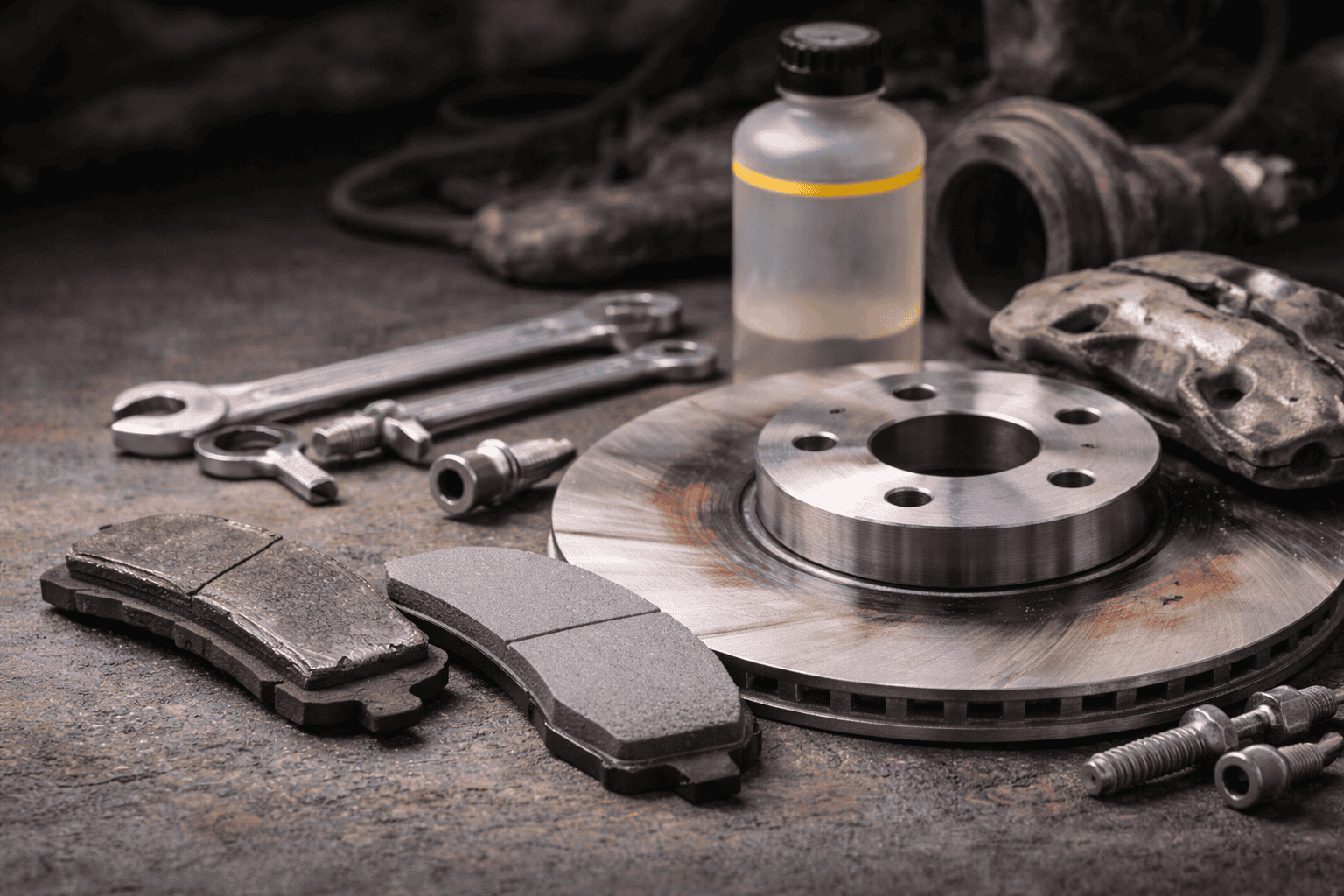
Because braking components wear continuously, inspection is critical.
Recommended schedule:
Warning signs include:
Ignoring brake maintenance risks both safety and higher repair costs.
Air filters prevent dust and debris from entering the engine.
Typical interval:
Clogged filters reduce fuel efficiency and engine performance.
Cabin filters maintain interior air quality and HVAC performance.
Typical interval:
A blocked filter may cause reduced airflow and unpleasant odors.
Transmission fluid lubricates gears and regulates heat.
Typical interval:
Delayed fluid service may eventually result in slipping, overheating, or transmission failure — one of the highest-cost vehicle repairs.
Coolant regulates engine temperature and prevents corrosion.
Typical interval:
Old coolant can lead to overheating, radiator corrosion, or head gasket damage.
Spark plugs ignite the air-fuel mixture.
Typical interval:
Worn plugs may cause rough idle, poor fuel economy, and misfires.

Vehicle maintenance timeline infographic showing service checkpoints at 5,000–10,000, 15,000–30,000, and 30,000–60,000 miles
Drivers should schedule service immediately if they notice:
Because maintenance-related failures often begin gradually, early intervention usually prevents expensive system damage.
Routine servicing is significantly cheaper than major repair replacement.
Examples:
Because preventive servicing extends component lifespan, maintenance typically saves thousands of dollars over the life of a vehicle.
If maintenance intervals are repeatedly skipped, vehicles may experience:
Eventually, deferred maintenance often leads to multiple simultaneous repairs, which dramatically increases ownership cost.
The most reliable approach includes:
Because maintenance timing affects nearly every vehicle system, consistent tracking protects both safety and resale value.
[…] maintenance timelines from a scheduled vehicle maintenance guide can help buyers estimate when these costs typically begin […]
[…] Follow A Proper Maintenance Schedule […]