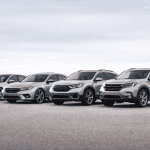
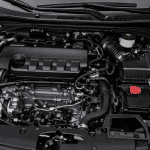
SUVs dominate modern roads for a reason. Drivers appreciate their higher driving position, flexible cargo space, and all-weather capability. But one question consistently appears when shoppers begin researching their next vehicle:
How reliable are SUVs compared with other vehicle types?
The answer depends on the model, engineering quality, and long-term maintenance habits. Some SUVs easily surpass 200,000 miles with minimal issues, while others develop costly repairs much earlier in their lifespan.
This guide explores SUV reliability, common mechanical concerns, ownership costs, and the most reliable SUVs currently available. If you’re researching before buying, understanding these factors can help prevent expensive surprises later.
What Is an SUV?
The term SUV stands for Sport Utility Vehicle. It describes a category of vehicles designed to combine the practicality of a passenger car with the versatility and capability traditionally associated with trucks.
Most Sport Utility Vehicles (SUVs) are built to provide a balanced mix of comfort, cargo space, and everyday usability. They typically feature a higher driving position, flexible interior storage, and available all-wheel-drive systems that improve traction in challenging road conditions.
Drivers are often drawn to SUVs because they offer several practical advantages:
A higher seating position that improves road visibility
Increased cargo capacity for luggage, gear, or family needs
Optional AWD or 4WD systems for improved traction
Strong resale value compared with many vehicle types
Versatility for both urban commuting and long highway trips
For some owners, the appeal lies in the added comfort and space. Others appreciate the capability during winter weather or road trips. In many cases, drivers simply prefer the confidence and practicality that come with a larger vehicle platform.
Because of this balance of practicality and capability, SUVs have become one of the most popular vehicle types on the road today.
Pros
Spacious interiors
Excellent visibility
Strong resale value
AWD availability
Family‑friendly seating layouts
Cons
Higher fuel consumption
More expensive tires
Slightly higher SUV maintenance costs
Larger footprint for tight parking
How reliable are SUVs compared with other vehicle types?
The answer depends on the model, engineering quality, and long-term maintenance habits. Some SUVs easily surpass 200,000 miles with minimal issues, while others develop costly repairs much earlier in their lifespan.
This guide explores SUV reliability, common mechanical concerns, ownership costs, and the most reliable SUVs currently available. If you’re researching before buying, understanding these factors can help prevent expensive surprises later.
Why SUV Reliability Matters to Buyers
Reliability is one of the biggest drivers of vehicle ownership satisfaction. When an SUV performs consistently with minimal breakdowns, owners benefit from lower repair costs, fewer inconveniences, and stronger resale value.
A dependable vehicle also influences long-term ownership costs. According to industry reliability data from the National Highway Traffic Safety Administration (NHTSA) and independent automotive research organizations, vehicles with stronger reliability ratings typically retain value longer and require fewer major repairs.
This makes SUV maintenance costs and reliability closely connected.
Reliable SUVs typically provide:
Lower long-term repair expenses
Stronger resale value
Reduced unexpected breakdowns
Higher owner satisfaction ratings
For families or daily commuters, these advantages can translate into thousands of dollars saved over the life of a vehicle.
In fact, some of the most reliable SUVs today rival the durability of popular sedans. Advances in engine design, transmission technology, and electronic systems have improved long-term durability across the industry.
Still, reliability varies widely between models.
Several factors influence SUV reliability ratings:
Engine complexity
Transmission design
Electronics and driver-assist systems
Manufacturing quality
Maintenance history
Compact SUVs with simpler engines and proven drivetrains often deliver the strongest long-term reliability results.
Common SUV Problems Owners Should Know
Even reliable vehicles can experience issues over time. Recognizing common patterns can help buyers evaluate which models are safer long-term investments.
Some of the most common SUV problems include:
1. Transmission Wear
Certain SUVs develop transmission hesitation, rough shifting, or delayed gear engagement as mileage increases. Regular fluid changes often reduce the risk of early wear.
2. Suspension Component Failures
Because SUVs are heavier than many passenger cars, suspension parts such as bushings, control arms, and shocks may wear faster.
3. Electronic System Issues
Modern SUVs rely heavily on electronic driver-assistance systems. Sensors, cameras, and infotainment components occasionally create reliability complaints.
Toyota Highlander — one of the best SUVs for families
Honda Pilot — reliable V6
Jeep Grand Cherokee — strong towing capability
Kia Sorento — value‑packed
Full‑Size SUVs
Chevy Tahoe
Ford Expedition
GMC Yukon
What Makes Some SUVs More Reliable Than Others?
Not all SUVs are engineered with the same priorities. Some focus heavily on performance or luxury features, while others emphasize durability and long-term ownership cost.
Manufacturers that reuse proven engine designs tend to experience fewer reliability problems.
Simpler Transmissions
Traditional automatic transmissions often demonstrate stronger long-term reliability than more complex systems.
Manufacturing Consistency
Vehicles produced in factories with strong quality-control practices often deliver better durability results.
A well-engineered SUV with conservative technology choices often produces stronger SUV reliability ratings over time.
SUV Maintenance Costs
Drivers frequently ask: “Are SUVs more expensive to maintain?” Generally, yes — but not dramatically. The average SUV maintenance costs fall between $450–$900 per year, depending on:
Tire size
AWD vs FWD
Engine type
Driving habits
Typical Annual Costs
Oil changes: $60–$120
Brake pads: $250–$450
Tires: $600–$1,200 (larger sizes cost more)
Transmission service: $200–$350
AWD fluid service: $150–$300
Compact SUVs like the CR‑V or RAV4 remain among the cheapest to maintain.
Safety & Reliability Overview
If someone is comparing SUV reliability, crash‑test scores and long‑term durability matter.
Safety Highlights
SUVs perform well in frontal and side‑impact tests
AWD improves winter traction
Larger frames offer more protection
Reliability Leaders
Toyota
Honda
Lexus
Mazda
These brands consistently rank at the top of long‑term dependability studies.
FAQ
Generally yes, due to larger tires and optional AWD systems. Compact SUVs remain affordable.
Toyota Highlander, Honda CR‑V, and Lexus RX consistently rank among the most reliable SUVs.
This platform analyzes depreciation trends, resale value behavior, and long-term ownership costs, helping drivers understand how mileage, maintenance, and timing shape real financial outcomes.