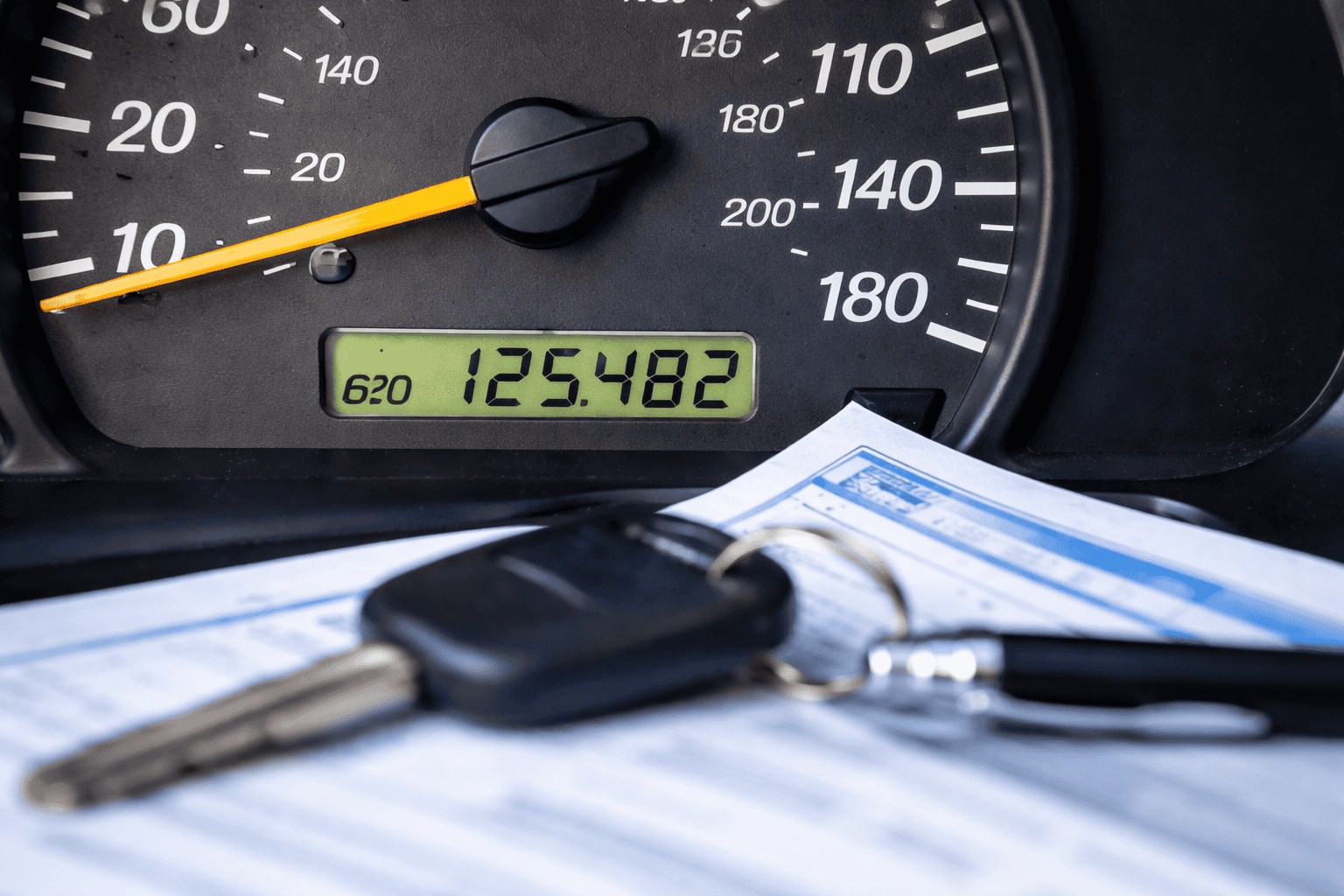
One of the clearest factors buyers check when evaluating a used vehicle is mileage. Because of that, understanding how mileage affects vehicle depreciation is essential for estimating resale value and long-term ownership costs.
In practice, mileage acts as a visible record of how much wear the vehicle has experienced. Higher mileage signals more engine cycles, drivetrain use, suspension movement, and interior wear, even if the vehicle has been maintained properly. The reality is, two identical vehicles from the same model year can sell thousands of dollars apart purely because of mileage differences.
For many drivers, this becomes obvious when comparing trade-in quotes. A vehicle with average mileage may receive a fair market offer, while one significantly above average often drops sharply in appraisal range.
What Counts as “Normal” Mileage Each Year
Most drivers notice that resale listings often reference whether a vehicle has “average miles for its age.” That benchmark exists for a reason.
A typical vehicle accumulates roughly 12,000 to 15,000 miles per year. Because of that expectation, resale pricing models assume vehicles within this range follow normal depreciation curves.
When annual mileage climbs far above this range, vehicle depreciation mileage accelerates. Buyers assume the vehicle’s usable lifespan has been shortened, even if maintenance records are strong.
Sometimes the first sign appears during insurance valuation or online resale estimates. A vehicle just 20,000 miles above expected range can suddenly drop into a lower pricing bracket. It happens fast.
Why Higher Mileage Reduces Resale Value Faster
Mileage matters because it directly influences buyer confidence.
Higher mileage vehicles are statistically closer to major service intervals, including:
- timing component replacements
- suspension rebuilds
- transmission servicing
- cooling system repairs
- electrical component aging
Because of that, buyers often factor future repair costs into purchase offers. This is why high mileage resale value tends to fall more sharply once vehicles cross major thresholds like 60k, 100k, or 150k miles.
Vehicle history data from Carfax also notes that mileage, ownership history, and maintenance records strongly influence resale value.
For many owners, this becomes real when preparing to sell. A vehicle running perfectly can still receive reduced offers simply because buyers anticipate upcoming maintenance expenses. Nothing may be wrong today. But risk perception still affects value.
How Driving Type Matters More Than Many Owners Expect
Mileage alone does not tell the full story of used car mileage impact.
Highway driving generally produces less mechanical stress than short-trip city driving. Long steady trips allow engines to reach proper operating temperature, reduce brake wear, and minimize cold-start strain.
Short urban trips, however, increase:
- engine heat cycling
- transmission shifting stress
- brake usage
- battery load
- starter motor wear
That’s when ownership patterns start influencing resale more than raw mileage numbers. A 90k-mile highway commuter vehicle may be mechanically healthier than a 60k-mile stop-and-go city vehicle. Experienced buyers know this.
Mileage Thresholds That Often Trigger Faster Depreciation
Certain mileage ranges tend to influence car resale value miles more heavily because buyers psychologically treat them as lifecycle checkpoints.
Common value drop points include:
- Around 60,000 miles (major service expectations begin)
- Around 100,000 miles (perceived high-mileage classification)
- Around 150,000 miles (limited buyer pool for resale)
In practice, crossing one of these thresholds shortly before selling can noticeably reduce offers. Some owners even delay resale decisions once they realize they are close to a major mileage bracket.
Timing matters.
Real Ownership Scenario: When Mileage Changes the Sale Outcome
For many drivers, mileage impact becomes obvious during private sale negotiations.
An owner may list two nearly identical vehicles:
- same year
- same trim
- same condition
But one has 72,000 miles and the other has 98,000 miles.
Even if both run perfectly, buyers consistently favor the lower-mile vehicle because they expect fewer upcoming repairs. That expectation alone can shift resale value by several thousand dollars. Nothing mechanical changed overnight. Market perception did.
Can You Reduce Mileage-Related Depreciation?
While you cannot eliminate how mileage affects vehicle depreciation, you can manage how strongly it influences resale.
Helpful strategies include:
- combining short errands into fewer trips
- using secondary vehicles for heavy commuting if possible
- maintaining complete service records
- addressing small mechanical issues early
- preserving interior condition alongside mechanical health
Because of that, buyers reviewing maintenance history often feel more confident purchasing a higher-mileage vehicle that shows strong upkeep documentation.
Mileage matters. Maintenance still matters more.
What Happens If Mileage Is Ignored During Ownership Planning
Ignoring mileage trends can lead to unexpected financial outcomes.
Owners who accumulate extremely high annual mileage may reach resale time only to discover the vehicle has entered a lower market category. That often means reduced trade-in flexibility, lower loan equity, and fewer private buyers.
What matters most is understanding that depreciation does not occur evenly. Mileage accelerates value loss in stages, especially once vehicles pass common buyer comfort limits.
Planning resale timing around mileage milestones can protect thousands in ownership value over time.