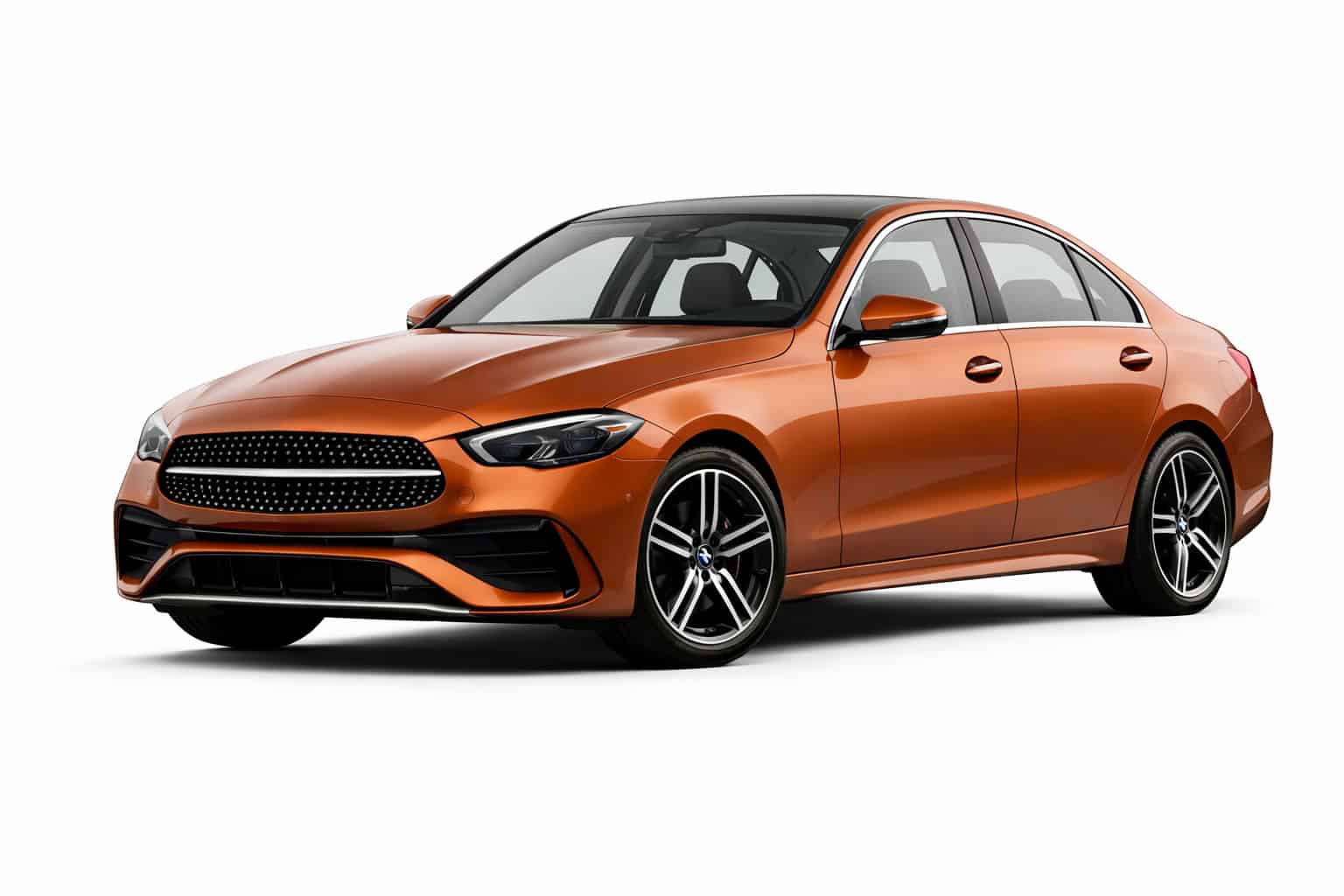
Luxury compact sedans have evolved significantly since the early 1990s, and the Mercedes Benz C Class, first introduced in 1993, remains one of the most recognized models in this segment. Developed by Mercedes Benz Group, the C Class has gone through multiple redesigns, with the latest generation released in 2022, focusing on electrification, digital interfaces, and improved efficiency. From a pricing and ownership standpoint, the C Class sits firmly in the premium category. Data from Kelley Blue Book resale values shows luxury sedans typically depreciate around 40% to 55% over 5 years, depending on trim, mileage, and service history.
- Starting prices typically between $46,000 and $65,000
- Engine output ranging from 255 hp to 671 hp
- Fuel economy starting around 8.0 L per 100 km
- Annual maintenance costs averaging $900 to $1,600
Engines, Performance and Driving Behavior
Modern C Class models rely heavily on turbocharged engines combined with hybrid assistance, a shift that began across Mercedes Benz vehicles in the late 2010s to meet emissions and efficiency targets. The C 300 2.0L turbo engine produces around 255 hp and achieves fuel economy between 8.0 and 9.0 L per 100 km. Acceleration to 100 km per hour takes roughly 6.0 seconds, offering a balance between performance and efficiency. Higher performance options include:
- AMG C 43
- Around 402 hp
- 0 to 100 km per hour in about 4.6 seconds
- Fuel economy between 9.5 and 10.5 L per 100 km
- Increased brake and tire wear
- AMG C 63 Hybrid
- Up to 671 hp combined
- 0 to 100 km per hour in about 3.4 seconds
- Fuel consumption varies depending on usage
- Highest maintenance and operating costs
For estimating long term fuel and operating expenses, tools like the fuel calculator and ownership cost calculator provide useful projections.
Driving Experience
Comfort defines the overall driving character of the C Class, especially in standard trims. The latest platform introduced in 2022 improves chassis rigidity and ride quality, resulting in smoother handling across different road conditions. Driving feel changes depending on configuration. Base models prioritize quietness and smoothness, while AMG variants introduce sharper response and increased power.
- C 300 delivers smooth acceleration and stable handling
- AMG C 43 increases responsiveness and steering precision
- AMG C 63 provides aggressive acceleration and track focused dynamics
Driving behavior has a measurable effect on maintenance. Data referenced in how driving habits affect long term vehicle reliability shows aggressive use can increase ownership costs by 20% to 40%.
Interior, Comfort and Technology
The interior design reflects Mercedes Benz’s shift toward digital integration, especially since the early 2020s when large touchscreen interfaces became standard across the lineup. Cabin features include:
- Central display up to 11.9 inches
- Digital instrument cluster around 12.3 inches
- Cargo space near 12.6 cubic feet
- Advanced ambient lighting systems
Higher trims include leather upholstery, upgraded sound systems from Burmester, and additional driver assistance features.
Fuel Economy and Ownership Costs
Efficiency has improved across newer C Class models due to hybrid assistance and turbocharging. Fuel savings compared to older engines can reach $700 to $1,300 per year, depending on driving habits. Fuel economy figures:
- C 300: 8.0 to 9.0 L per 100 km
- AMG C 43: 9.5 to 10.5 L per 100 km
- AMG C 63: varies based on hybrid use
Typical ownership costs include:
- Oil changes around $150 to $250
- Annual maintenance averaging $900 to $1,600
- Tire replacement costs between $1,000 and $2,000
To better understand long term costs, tools like the maintenance cost calculator and ownership cost calculator provide more accurate projections.
Reliability and Common Issues
Reliability remains consistent for modern C Class models, particularly with the 2.0L engine introduced in recent generations. Many vehicles reach 200,000 km with proper maintenance. Common issues reported include:
- Electrical or sensor warnings
- Infotainment system glitches
- Brake wear on AMG models
- Suspension bushing wear near 100,000 km
Industry repair data suggests major drivetrain failures occur in less than 5% of vehicles, with most issues manageable through routine service. For used buyers, combining inspection results with tools like the used car inspection checklist to avoid costly mistakes and repair cost estimator helps reduce risk.
Safety and Winter Driving
Safety systems have improved significantly in newer models, with updated driver assistance features introduced after 2020. Testing from organizations like the Insurance Institute for Highway Safety shows strong crash performance. Winter performance varies by drivetrain.
- 4MATIC all wheel drive improves traction by 20% to 30%
- Rear wheel drive models require winter tires for optimal control
- Stability systems help maintain control in low traction conditions
Available safety features include:
- Adaptive cruise control
- Blind spot monitoring
- Lane keeping assist
- Automatic emergency braking
Best Trims for Different Buyers
Selecting the right trim depends on performance needs, climate, and budget.
- Best overall balance
- C 300
- Balanced cost and comfort
- Best for commuting
- C 300 4MATIC
- Improved traction and daily usability
- Best for performance
- AMG C 43
- Increased power and sharper handling
- Maximum performance
- AMG C 63
- Highest output and performance capability
To evaluate resale and long term ownership value, tools like the vehicle depreciation guide and trade in value estimator help compare options.
Used Market and Depreciation
In the used market, the C Class remains widely available due to strong production volume. Demand remains steady, particularly for well maintained models. Typical depreciation patterns:
- Around 40% to 55% over 5 years
- Value decreases more significantly after 150,000 km
- AMG models retain higher value due to demand
Pricing trends often align with estimates from Kelley Blue Book used car values, which adjust based on mileage and condition. For deeper insight, tools like the depreciation calculator and how mileage impacts vehicle depreciation and resale value provide additional guidance.
Who Should Buy the Mercedes Benz C Class
Buyers looking at premium compact sedans often choose the C Class for its combination of comfort, performance, and technology. It suits drivers focused on refinement and daily usability.
- Strong option for performance between 255 hp and 671 hp
- Suitable for long term ownership with maintenance between $900 and $1,600 per year
- Effective for commuting and highway driving
- Less suitable for buyers needing maximum rear seat space
- Less ideal for those seeking lower ownership costs