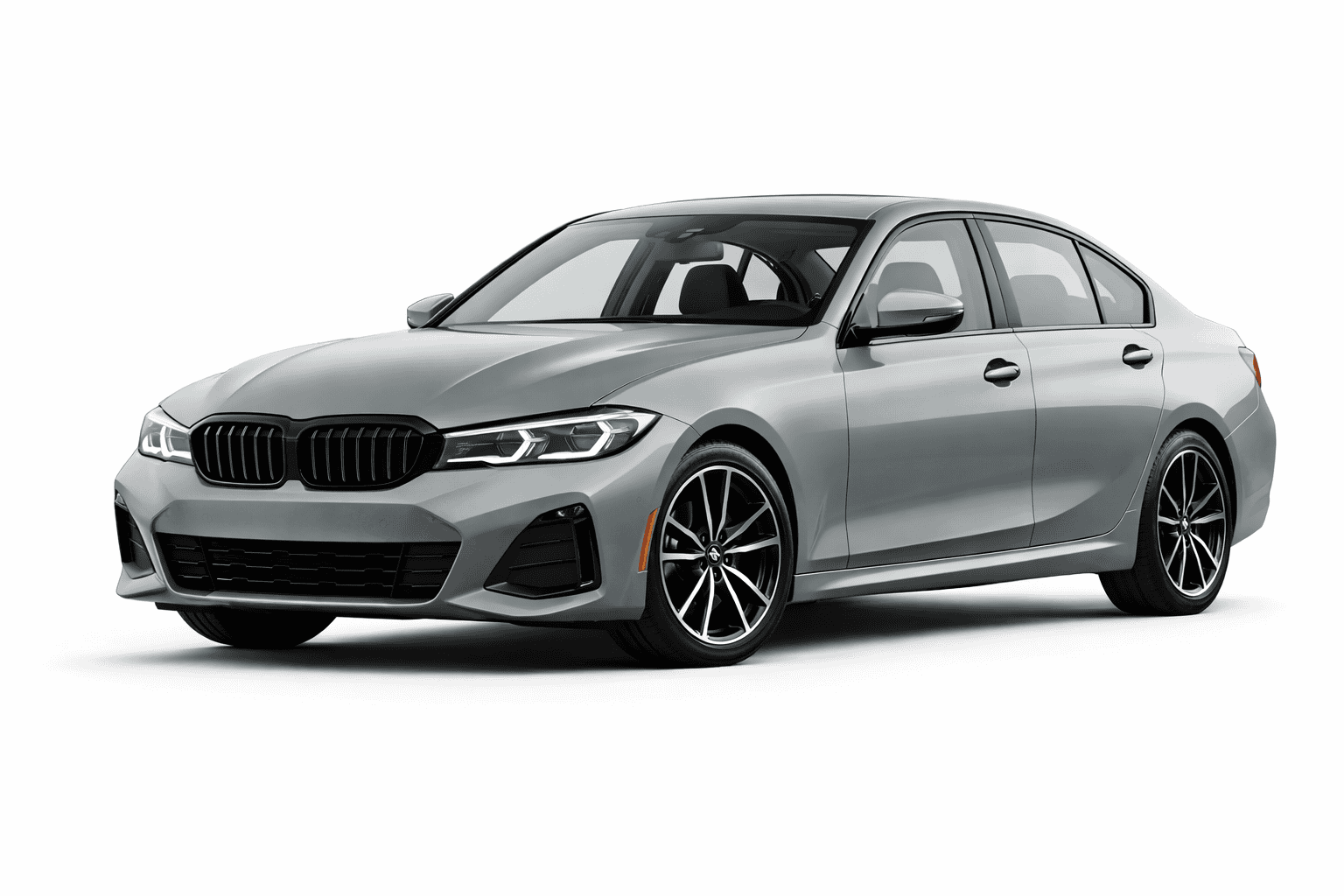
Few vehicles have shaped the modern sport sedan segment like the BMW 3 Series, first introduced in 1975 as part of BMW’s E21 generation. Built by BMW Group, the 3 Series has evolved through multiple generations, with the current G20 platform launched in 2019, focusing on improved efficiency, technology, and structural rigidity. From a buyer standpoint, the 3 Series fits into the premium compact segment with measurable cost and performance tradeoffs. Pricing data from Kelley Blue Book resale values shows luxury sedans in this category typically depreciate around 40% to 55% over 5 years, depending on trim, mileage, and maintenance history.
- Starting prices typically between $44,000 and $60,000
- Engine output ranging from 255 hp to 382 hp
- Fuel economy as low as 5.0 L per 100 km (hybrid)
- Annual maintenance costs averaging $800 to $1,500
Engines, Performance and Driving Behavior
Looking at the engine lineup, the 3 Series offers a range of turbocharged and electrified options designed to balance performance and efficiency. BMW introduced widespread turbocharging across the lineup in the early 2010s, replacing naturally aspirated engines to meet efficiency standards. The 330i 2.0L turbocharged engine produces around 255 hp and delivers fuel economy between 7.2 and 8.0 L per 100 km, offering a balance between acceleration and operating cost. Acceleration to 100 km per hour takes roughly 5.6 seconds, placing it ahead of many competitors in the same class. Other configurations include:
- 330e Plug In Hybrid
- Combined output around 288 hp
- Electric only range between 20 and 35 km
- Fuel economy around 5.0 to 6.0 L per 100 km
- Lower fuel cost by up to 30% to 50% with regular charging
- M340i 3.0L Turbo Inline 6
- Around 382 hp
- 0 to 100 km per hour in about 4.2 seconds
- Fuel economy between 8.8 and 10.0 L per 100 km
- Higher tire and brake costs due to performance output
For cost projections, tools like the fuel calculator and ownership cost calculator help estimate long term fuel and ownership expenses.
Driving Experience
Behind the wheel, the 3 Series is engineered for balance between comfort and responsiveness. The current platform introduced in 2019 uses a lighter chassis and improved weight distribution, contributing to stable handling. Driving feel varies by configuration. Base models prioritize efficiency and smoothness, while higher performance trims deliver sharper feedback and quicker acceleration.
- 330i models provide balanced handling and efficiency
- 330e models emphasize quiet operation in electric mode
- M340i models increase power and responsiveness
Driving style has a measurable impact on wear. Resources like how driving habits affect long term vehicle reliability indicate aggressive driving can increase maintenance costs by 20% to 40%.
Interior, Comfort and Technology
Inside the cabin, the 3 Series reflects BMW’s shift toward digital interfaces that began in the late 2010s, incorporating larger displays and simplified controls. The iDrive system, developed by BMW’s in house software division, continues to evolve through software updates. Key interior features include:
- Dual digital displays up to 12.3 inches
- Cargo space around 17 cubic feet
- Premium materials including leather and soft touch surfaces
- Advanced climate control systems
Higher trims include upgraded audio systems from Harman Kardon, ambient lighting, and additional driver assistance features.
Fuel Economy and Ownership Costs
From an ownership perspective, the 3 Series offers competitive efficiency for a luxury sedan, though maintenance costs remain higher than mainstream vehicles. Fuel savings compared to older six cylinder engines can exceed $800 to $1,200 per year depending on driving habits. Fuel economy figures:
- 330i: 7.2 to 8.0 L per 100 km
- 330e: 5.0 to 6.0 L per 100 km
- M340i: 8.8 to 10.0 L per 100 km
Typical ownership costs include:
- Oil changes around $120 to $200
- Annual maintenance averaging $800 to $1,500
- Tire replacement costs between $900 and $1,800
To better estimate long term costs, tools like the maintenance cost calculator and ownership cost calculator provide more accurate projections.
Reliability and Common Issues
Looking at long term reliability, the 3 Series performs consistently, particularly with engines introduced after 2019. Many vehicles exceed 200,000 km with proper maintenance. Common issues reported include:
- Electrical sensor warnings
- Infotainment software glitches
- Brake wear on performance trims
- Suspension bushing wear near 100,000 km
Industry repair data suggests major drivetrain failures occur in less than 5% of vehicles, with most issues remaining manageable. For used buyers, combining inspection results with tools like the used car inspection checklist to avoid costly mistakes and repair cost estimator helps reduce risk.
Safety and Winter Driving
In terms of safety, the 3 Series benefits from structural updates and advanced driver assistance systems. Testing from organizations like the Insurance Institute for Highway Safety shows strong crash performance in recent models. Winter driving capability depends on drivetrain configuration.
- xDrive all wheel drive improves traction by 20% to 30%
- Rear wheel drive models require winter tires for optimal control
- Stability systems help maintain traction in low grip conditions
Available safety features include:
- Adaptive cruise control
- Blind spot monitoring
- Lane keeping assist
- Automatic emergency braking
Best Trims for Different Buyers
Choosing the right trim depends on usage, budget, and performance expectations.
- Best overall balance
- 330i
- Strong performance with moderate cost
- Best for commuting
- 330e
- Lower fuel cost and hybrid efficiency
- Best for performance
- M340i
- Higher output and sharper handling
- Best for all weather driving
- xDrive variants
- Improved traction without major efficiency loss
To evaluate resale and ownership value, tools like the vehicle depreciation guide and trade in value estimator provide additional insight.
Used Market and Depreciation
In the used market, the 3 Series remains widely available due to consistent production volumes. Demand stays strong, particularly for well maintained vehicles. Typical depreciation patterns:
- Around 40% to 55% over 5 years
- Value drops more significantly after 150,000 km
- Performance trims retain higher value due to demand
Pricing trends often align with estimates from Kelley Blue Book used car values, which adjust based on mileage and condition. For deeper analysis, tools like the depreciation calculator and how mileage impacts vehicle depreciation and resale value provide additional context.
Who Should Buy the BMW 3 Series
For buyers evaluating premium compact sedans, the 3 Series offers a balance of performance, efficiency, and technology. It suits drivers who prioritize handling and long distance comfort.
- Strong option for performance between 255 hp and 382 hp
- Suitable for long term ownership with maintenance between $800 and $1,500 per year
- Effective for commuting and highway driving
- Less suitable for buyers needing maximum rear seat space
- Less ideal for those seeking lower maintenance costs