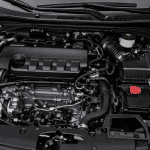
Honda has earned a reputation for long‑term dependability, but no brand is flawless. Every model line has its own pattern of quirks, weak points, and age‑related failures. This hub breaks down the most frequent Honda problems, why they happen, how to spot them early, and what owners can realistically expect in terms of repairs.
This page is designed to answer every question a visitor might have — from quick diagnostics to deeper explanations, cost ranges, reliability comparisons, and long‑term ownership insights.
Honda engineering is generally solid, but recurring issues tend to come from:
Understanding the “why” helps owners predict what’s coming and avoid expensive surprises.
Below is a breakdown of the issues that appear across multiple Honda vehicles. Each section includes symptoms, causes, and what to do next.
Models Affected: CR‑V, Civic, Accord (1.5T) Years: Mostly 2017–2021
Fuel mixes with engine oil, thinning it out and causing rough running, misfires, and long‑term wear.
Models Affected: Accord, Odyssey, Pilot, Civic, CR‑V Years: Varies by model; V6 automatics especially prone
Models Affected: Accord, CR‑V, Civic (especially older V6 and 4‑cyl)
Models Affected: Odyssey, Pilot, Accord V6
VCM shuts off cylinders to save fuel, but the constant switching causes uneven wear.
Models Affected: CR‑V, Civic, Accord Years: 2007–2014 especially
Models Affected: CR‑V, Pilot, Ridgeline
Models Affected: Almost all Honda models (2001–2016)
Below is a quick‑scan table summarizing the most common issues by model.
| Honda Model | Most Common Problems | Severity | Typical Repair Cost |
|---|---|---|---|
| Civic | AC failure, oil dilution (1.5T), CVT shudder | Moderate | $300–$2,500 |
| Accord | Transmission issues, oil consumption, starter failure | Moderate–High | $400–$4,000 |
| CR‑V | AC compressor, oil dilution, differential noise | Moderate | $300–$2,800 |
| Pilot | VCM issues, transmission failure, torque converter | High | $500–$5,000 |
| Odyssey | Transmission failure, sliding door issues, VCM | High | $300–$5,000 |
| Fit | Coil packs, starter, CVT judder | Low–Moderate | $150–$2,000 |
| Ridgeline | Rear diff noise, VCM vibration | Moderate | $200–$1,500 |
Honda still ranks high overall, but certain years/models dip due to:
Trend: Older Hondas (2000–2012) are extremely durable. Newer Hondas (2017–2022) are efficient but more complex, leading to more technical issues.
Most Honda issues follow predictable symptoms.
Honda has issued many free repairs.
Even a $30 OBD2 reader can reveal the root cause.
Some fixes are cheap (PCV valve), others are major (transmission).
Honda vehicles are generally easy to work on.
| Repair Type | Typical Cost |
|---|---|
| AC Compressor | $900–$1,800 |
| Transmission Rebuild | $2,500–$5,000 |
| CVT Service | $200–$450 |
| Engine Mounts | $300–$900 |
| Starter Replacement | $350–$700 |
| Turbo/Oil Dilution Fix | $150–$600 |
| Differential Fluid | $120–$250 |

Highest Problem Frequency (All Hondas):
Yes — but with nuance.
Honda still builds long‑lasting vehicles, but modern engines and transmissions introduce new failure points. Knowing the common issues helps owners stay ahead of expensive repairs and maintain the reliability Honda is known for.
This platform analyzes depreciation trends, resale value behavior, and long-term ownership costs, helping drivers understand how mileage, maintenance, and timing shape real financial outcomes.