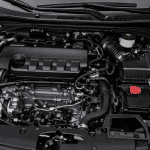
Honda vehicles have earned a reputation for lasting hundreds of thousands of miles with simple, predictable maintenance. This guide brings together everything Honda owners need to know — service schedules, real‑world costs, common repairs, and long‑term reliability trends across all models.
Whether you drive a Civic, Accord, CR‑V, Pilot, or any other Honda, this page gives you a clear picture of what to expect throughout ownership.
Honda Maintenance Schedule (All Models)
Honda vehicles follow a consistent maintenance pattern across the lineup. Most services repeat every 5,000–7,500 miles, with major items appearing around the 90,000–120,000‑mile mark.
Routine Service Intervals
Service
Interval
Details
Engine Oil & Filter
5,000–7,500 miles
Full synthetic recommended
Tire Rotation
5,000–7,500 miles
Helps extend tire life
Cabin Air Filter
15,000–30,000 miles
Replace more often in dusty areas
Engine Air Filter
15,000–30,000 miles
Keeps fuel economy stable
Brake Fluid
Every 3 years
Honda-specific recommendation
Transmission Fluid
30,000–60,000 miles
CVT models benefit from shorter intervals
Coolant
60,000 miles
Then every 30,000 miles
Spark Plugs
90,000–105,000 miles
Iridium plugs last longer
Timing Belt (if equipped)
90,000–105,000 miles
Applies to older V6 engines
Drive Belt
60,000–100,000 miles
Inspect for cracks or noise
Honda Maintenance Costs
Honda is one of the most affordable brands to maintain. Most owners spend less than the industry average each year.
Average Annual Maintenance Cost
$350–$550 per year (Varies by model and mileage)
Common Repair Costs
Repair
Typical Cost
Brake Pads (Front)
$180–$300
Brake Pads + Rotors
$350–$550
Battery
$150–$250
Alternator
$450–$750
Starter
$400–$650
Wheel Bearings
$250–$450
CV Axle
$350–$600
AC Recharge
$150–$250
Water Pump
$450–$800
Timing Belt Kit
$700–$1,100
Honda Ownership Cost Trends
Honda’s maintenance curve rises slowly compared to most brands.
Cost Pattern Over 15 Years
Years 1–5: Low cost — oil, filters, rotations
Years 6–10: Moderate — brakes, fluids, spark plugs
Years 11–15: Higher — suspension, alternator, AC components
Even at higher mileage, Honda repair frequency remains below average.
This platform analyzes depreciation trends, resale value behavior, and long-term ownership costs, helping drivers understand how mileage, maintenance, and timing shape real financial outcomes.