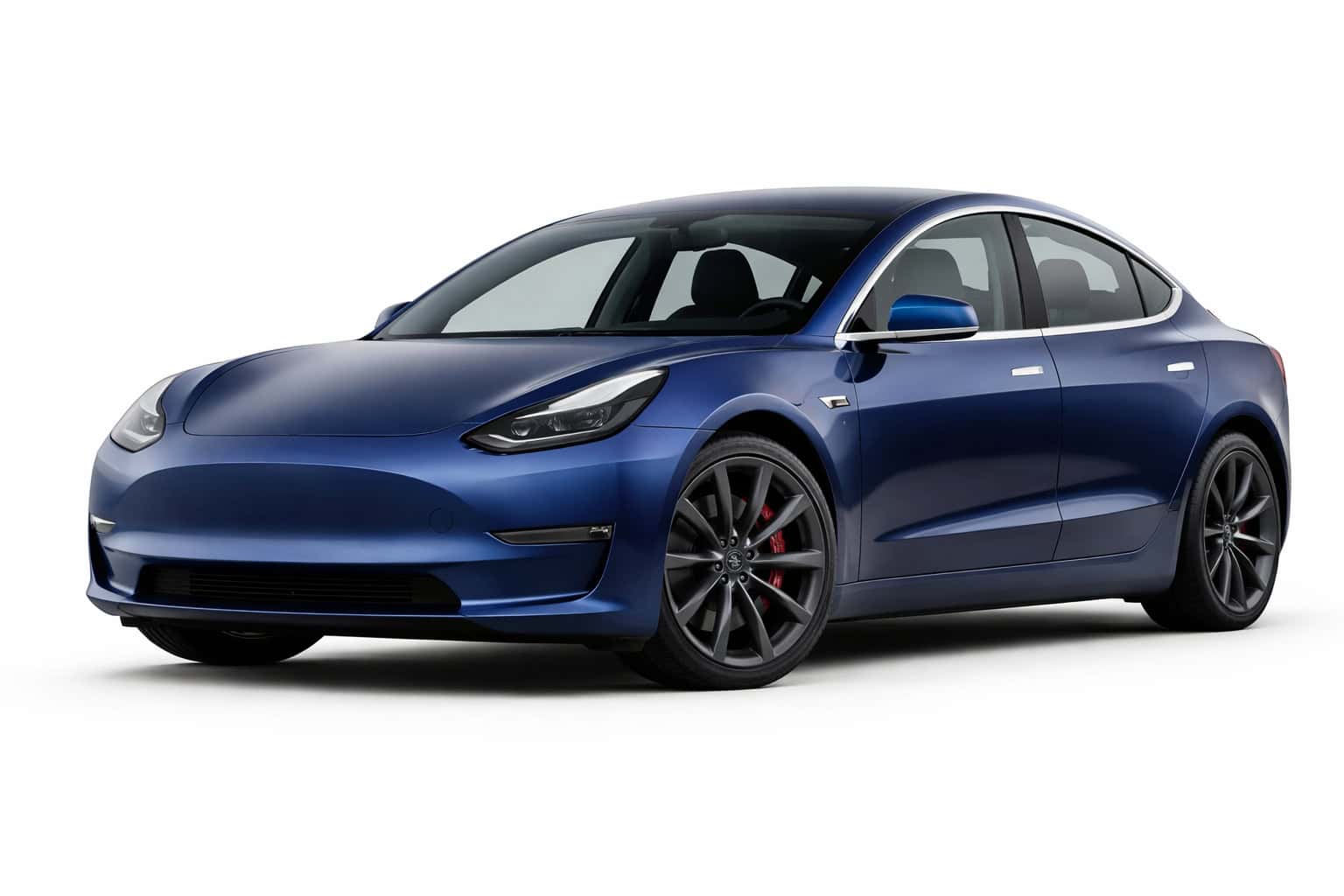
Looking at long term ownership data, the Tesla Model 3 has moved from early production inconsistency into a more stable and predictable electric sedan. The core battery and drive unit show low failure rates compared to traditional gas engines, while most reported issues tend to come from build quality, trim, and software behavior rather than mechanical breakdown. In everyday driving, owners report fewer major failures than comparable gas sedans, but a higher frequency of minor annoyances such as rattles, screen glitches, or sensor inconsistencies. This creates a different ownership profile where reliability is less about catastrophic failure and more about tolerance for small issues that may require occasional service visits.
High-level reliability snapshot
Breaking reliability into major systems shows a clear pattern where the most critical components perform well, while secondary areas introduce variability. The powertrain and battery systems are consistently rated high, while body quality and electronics show more mixed results depending on production year and build consistency.
In many cases, the difference between a good and frustrating ownership experience depends on expectations. Buyers focused on drivetrain durability tend to be satisfied, while those expecting traditional fit and finish may notice more inconsistencies. Complaint patterns referenced here align with publicly available data from the NHTSA vehicle complaint database, which tracks reported issues and recall activity across model years.
Tesla Model 3 Reliability by System
System
Reliability Level
Key Strengths
Common Concerns
Powertrain
High
Low failure rates, simple design
Rare but costly failures out of warranty
Battery
High
Predictable degradation, long lifespan
Range loss over time
Body & Trim
Medium
Improved over time
Panel gaps, paint quality, rattles
Electronics
Medium
OTA updates, feature improvements
Software bugs, screen glitches
Best and worst Tesla Model 3 years for reliability
Looking at production history, the Model 3 follows a typical early launch pattern where first units show more variability, followed by steady improvement as manufacturing processes mature. Early cars had more visible build quality issues, while later models show tighter assembly and improved materials.
In typical ownership, the biggest shift happens after the initial production ramp, where fewer rattles, better sealing, and more stable software reduce complaint frequency. This makes mid cycle and newer models more predictable for daily use.
Tesla Model 3 Reliability by Year (Directional)
Year Group
Overall Reliability Trend
Key Strengths
Key Concerns
Buyer Verdict
Early Production
Moderate
Strong battery and motor
Build quality, software bugs
Lower cost but more issues
Mid Cycle
Improved
Better build, stable software
Minor suspension and electronics issues
Best balance for most buyers
Refreshed Models
Strong
Improved materials, refined systems
Occasional new feature bugs
Best for low hassle ownership
Early years: launch-era cars
Looking back at the first production years, these vehicles share the same core battery and motor design as newer models, which means drivetrain reliability is not the main concern. Real world data suggests battery and drive unit failure rates remain relatively low, generally estimated under 3–5 percent within the first 100000 miles, which is consistent with later models. Where these early cars differ is build consistency. Owner reports show noticeably higher complaint density, with roughly 20–30 percent more reported issues per 100 vehicles compared to mid-cycle models. Most of these are not mechanical failures but quality related concerns such as panel alignment, paint defects, and interior rattles. In typical ownership, these cars tend to require more small fixes rather than major repairs. Buyers focused on lower purchase price and strong EV performance may still find value here, but expectations around refinement need to be adjusted.
Mid-cycle cars: sweet spot for many buyers
Moving into mid-cycle production, the Model 3 becomes noticeably more consistent as manufacturing stabilizes. Complaint data shows a reduction of roughly 15–25 percent in reported issues compared to early builds, particularly in areas like trim quality and software stability. In everyday driving, reliability becomes more predictable, with fewer repeat service visits and improved system consistency. Battery degradation patterns remain stable, typically showing an early drop to around 92–94 percent capacity followed by slower decline, which aligns with broader EV trends.
In many cases, these models offer the best balance between price and reliability. They avoid most early production flaws while still being significantly cheaper than newer refreshed versions, making them a common choice for used buyers.
Newer and refreshed cars
Recent models show continued refinement across multiple areas, including ride comfort, cabin noise, and material quality. Complaint density is lower again, with estimates suggesting another 10–15 percent reduction compared to mid-cycle vehicles, particularly in build quality and electronics stability. In typical ownership, these vehicles require fewer service visits overall, with most reported issues falling into minor categories such as software quirks or small trim inconsistencies. Major mechanical failures remain rare, and battery retention commonly stays within the 88–92 percent range after several years of use. Buyers who want the latest updates and minimal hassle tend to prefer these newer builds, especially when warranty coverage is still active, as it further reduces the risk of high cost repairs.
Common Tesla Model 3 problems that affect reliability
Looking beyond the powertrain, most Model 3 reliability concerns come from non mechanical systems. These include body fitment, electronics, and some hardware components that affect usability more than drivability. In some cases, these issues are minor but frequent, which can influence overall ownership satisfaction. While the car remains functional, repeated small problems can lead to more service visits compared to traditional vehicles.
Common Tesla Model 3 Problem Areas
System
Typical Issues
Symptoms
Impact on Driveability
Cost Impact
Body & Trim
Panel gaps, paint wear, rattles
Noise, cosmetic defects
Low
Low to Medium
Electronics
Screen freezing, sensor faults
Lag, warning messages
Medium
Medium
Suspension
Control arm wear, noise
Clunks over bumps
Medium
Medium
HVAC
Heat pump issues, AC faults
Reduced heating or cooling
Medium
Medium
Battery and drivetrain reliability
Looking at high mileage data, the Model 3 battery shows a predictable degradation pattern rather than sudden failure. Most vehicles experience an early drop in range followed by a slower, more stable decline over time.
In everyday driving, charging habits play a major role in long term battery health. Frequent fast charging and maintaining full charge levels can increase wear, while moderate charging habits help preserve range over time. Battery degradation patterns follow typical EV trends observed in Recurrent EV battery research, where most vehicles experience an early drop followed by a long, stable plateau.
Drive unit and power electronics
Electric motors in the Model 3 show low failure rates due to fewer moving parts compared to internal combustion engines. Power electronics and inverters are generally reliable, though failures can be expensive if they occur outside warranty coverage. Regenerative braking reduces wear on traditional braking components, which contributes to lower long term maintenance needs compared to gas vehicles.
Real-world ownership costs and downtime
Looking at ownership patterns, the Model 3 typically requires less routine maintenance but may involve more visits for minor fixes. This creates a tradeoff where major repairs are less common, but smaller issues may occur more frequently. In many cases, downtime depends more on service center availability than on the severity of the issue. Some regions report quick turnaround times, while others experience delays due to limited service capacity.
Typical Tesla Model 3 Maintenance Items
Item
Approx. Interval
Notes on Reliability Impact
Brake system
80000+ miles
Reduced wear due to regeneration
Tires
25000–40000 miles
Higher wear due to weight and torque
Cabin air filter
2 years
Affects HVAC performance
Brake fluid
2–3 years
Prevents long term system degradation
Warranty coverage and how it protects you
Looking at warranty structure, Tesla places heavy emphasis on battery and drivetrain coverage, which reduces risk for buyers concerned about major component failure. This extended coverage is one of the strongest reliability advantages compared to traditional vehicles. In typical ownership, having remaining battery warranty significantly lowers long term risk. Buyers should prioritize vehicles with active coverage for maximum protection against expensive repairs.
Tesla Model 3 Warranty Overview
Coverage Type
Duration
Major Components Covered
Why It Matters
Basic Vehicle
Limited term
Electronics, interior systems
Covers common minor issues
Battery & Drive Unit
Extended
Battery pack, motor
Protects against highest cost failures
Quick reliability checklist for buyers
When you’re standing in front of a used Model 3, this is what you should focus on. Most reliability differences between model years show up in build quality, electronics behavior, and wear components rather than the core drivetrain.
Exterior & body
Start with a full walkaround and inspect panel gaps around the hood, trunk, and doors. Early production cars show higher misalignment rates, with estimates suggesting 15 to 20 percent of units having visible inconsistencies. Paint quality should be checked along lower doors and rocker panels where chips and thin coverage appear more often. Look for repainting or uneven finish, which may indicate prior repair work beyond normal factory variation.
Interior
Inside the cabin, focus on noise and material wear rather than visual condition alone. Rattles and trim noises are among the most reported issues, especially in earlier builds, often appearing between 20000 and 40000 miles. Check seat bolsters, steering wheel wear, and frequently used controls for signs of aging. Overall durability is average, but repeated small issues such as loose trim or creaks can reduce long term ownership satisfaction.
Electronics
The center screen controls most vehicle functions, so it should be tested carefully. Go through navigation, audio, climate controls, cameras, Bluetooth, and driver assistance settings during inspection. Most issues are software related, with low failure rates but higher glitch frequency than traditional vehicles. After 2021, system stability improves with fewer resets and faster response times, though occasional lag or minor bugs can still appear during normal use.
Drive feel
During the test drive, listen for suspension noise when driving over uneven surfaces or bumps. Control arm wear and bushing noise typically appear between 30000 and 70000 miles depending on driving conditions and usage patterns. Steering should feel smooth and stable with no vibration at speed. Any clunking, knocking, or uneven feedback may indicate suspension wear or alignment issues, which are common and should be considered when negotiating vehicle pricing.
Charging & battery
Battery health is one of the most important checks when evaluating a used Model 3. Most vehicles retain about 90 to 94 percent of original capacity after the first few years, followed by gradual decline. A displayed range significantly below expected levels at similar mileage may indicate abnormal degradation. Test charging at home and public stations if possible, since faults can occur due to connector wear or onboard charging system issues.
Service history
A documented service history shows how well the vehicle has been maintained over time. Check for records of recalls, software updates, suspension repairs, and routine maintenance like brake inspections and cabin filter replacement. Cars with consistent records usually have fewer repeat issues. Missing documentation does not always mean problems, but it adds uncertainty when evaluating long term reliability and future repair risk.
Tesla Model 3 reliability vs traditional gas sedans
Looking at overall ownership experience, the Model 3 performs differently from gas vehicles rather than simply better or worse. It avoids many traditional mechanical failures but introduces new types of issues tied to software and electronics. In some cases, the tradeoff depends on what the buyer values more. Those prioritizing fewer major failures may prefer the Model 3, while those focused on build consistency may lean toward traditional brands.
Model 3 vs Gas Sedan Reliability
Area
Model 3
Typical Gas Sedan
Winner
Major Failures
Lower
Higher
Model 3
Maintenance
Lower
Higher
Model 3
Build Quality
Variable
Consistent
Gas Sedan
Electronics
Complex
Simpler
Gas Sedan
Tesla Model 3 Reliability FAQ
Across real world data, the Model 3 shows strong reliability in its battery and drivetrain systems. Most owners experience fewer major failures compared to gas vehicles, though minor issues with trim and software are more common.
Battery lifespan typically extends across many years with gradual range loss rather than sudden failure. Most owners report stable performance when charging habits are moderate and consistent.
Repair costs can be high for certain components, especially electronics and body parts. While routine maintenance is low, out of warranty repairs may carry higher costs than traditional vehicles.
Many recalls have been issued, though a large portion are software related and resolved through updates. Major hardware related recalls are less common.
High mileage models can still be reliable if the battery health is stable and service history is documented. Buyers should focus on suspension wear, electronics, and overall condition.
Conclusion
The Tesla Model 3 offers a different type of reliability compared to traditional sedans, with strong performance in battery and drivetrain systems and more variability in build quality and electronics. This creates an ownership experience that is generally stable but occasionally inconsistent. For buyers focused on avoiding major mechanical failures, the Model 3 presents a solid option. Those considering one should focus on later production models with documented service history and remaining warranty coverage to reduce long term risk.
This platform analyzes depreciation trends, resale value behavior, and long-term ownership costs, helping drivers understand how mileage, maintenance, and timing shape real financial outcomes.